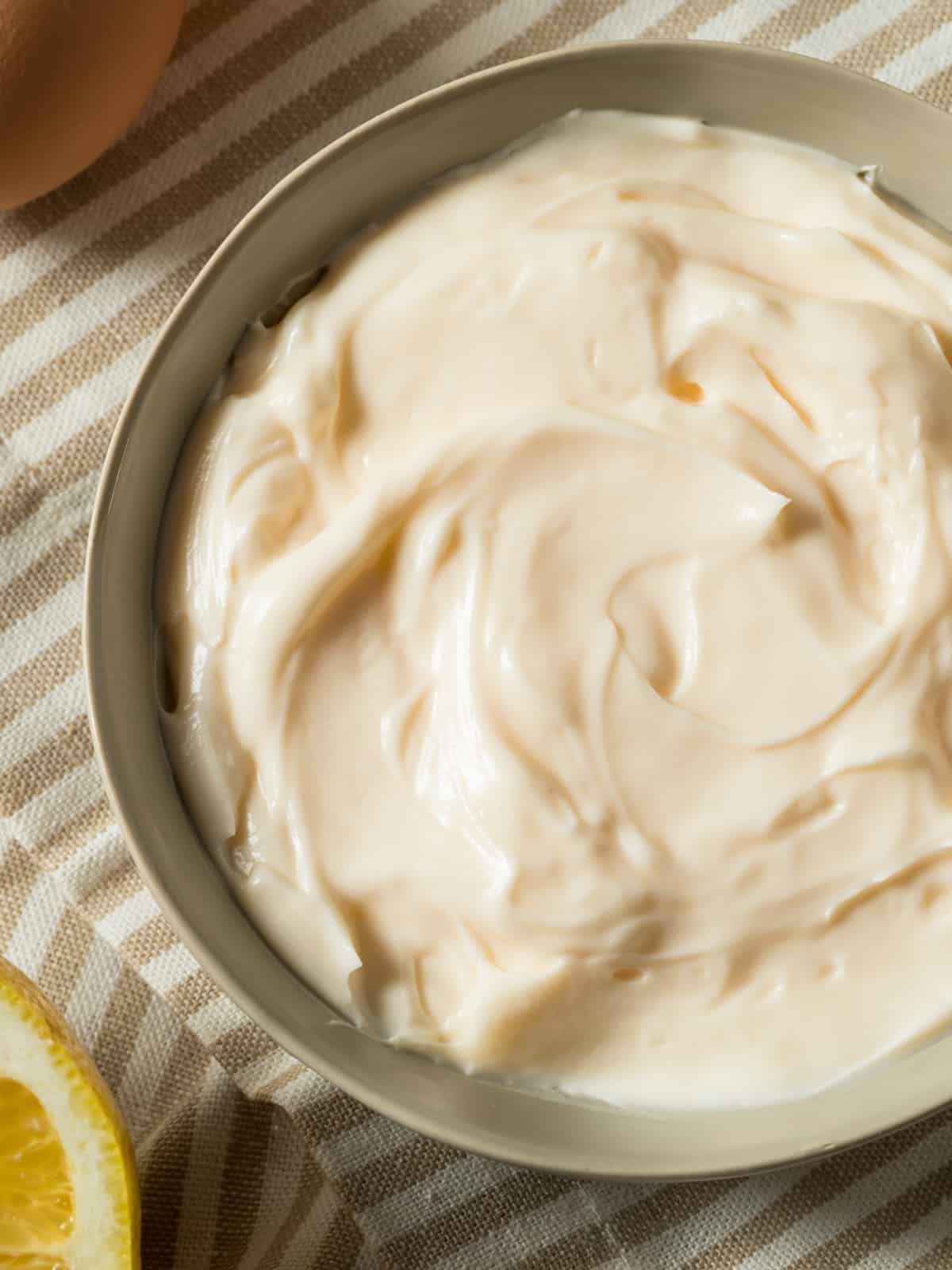
Mayonesa Casera (Mayonnaise or mayo) is a thick, creamy condiment made by emulsifying egg yolks, oil, and typically an acid, such as vinegar or lemon juice.
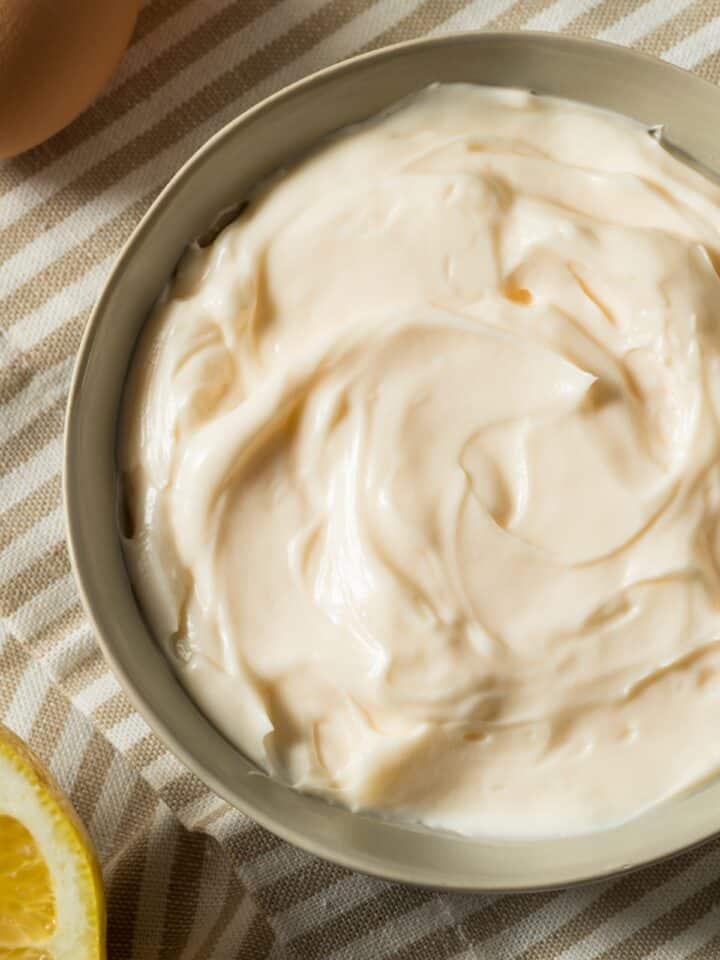
I've been making homemade mayo for years, and my family loves it. It's an easy process that yields a creamy, flavorful condiment, perfect for enhancing a variety of dishes.
Unlike store-bought mayonnaise, which often contains preservatives and additives, homemade mayo allows you to control the quality of ingredients.
Additionally, it's lighter and healthier, allowing you to choose healthier oils and adjust the seasoning to suit your taste. The freshness of homemade mayo adds a vibrant flavor that can elevate any dish.
Whether you're spreading it on sandwiches, using it as a dip for veggies, or incorporating it into salads and dressings, homemade mayo brings a delicious richness to your food.
How to Make Mayonesa Casera
Note: The full instructions are provided in the recipe card below.
1. Beat the yolks, vinegar, lemon, and dry mustard until frothy.
2. Gradually add the oil, beating constantly.
3. Add a bit of water as the mayo begins to stiffen.
4. Add any additional seasoning or flavoring, such as lemon juice, Worcestershire sauce, or hot sauce.
5. Serve the dressing at once or store it in the refrigerator.
Camila's Tips
One of the great things about making homemade mayo is the ability to customize it with various flavors. Experiment by adding:
- Chopped herbs like cilantro, parsley, or chives
- Spices like curry or paprika
- Garlic, grated ginger, lemon zest, or wasabi
Curious About the Science Behind Mayo?

If you want to understand how egg yolks, oil, vinegar, and salt work together to create a smooth, stable emulsion, this scientific article from PubMed Central breaks it all down. It's an excellent read for anyone who loves cooking and wants to dive deeper into the "why" behind homemade mayonnaise.
Pair with
You may also like
Recipe
Mayonesa Casera
Equipment
Ingredients
- 85 g (3 oz) pasteurized egg yolks
- 30 ml (2 tablespoons) white vinegar
- 2-¼ teaspoons dry mustard
- 720 ml (24 fl oz) Sunflower Oil or Vegetable Oil
- 2-¼ teaspoons kosher salt , adjust to taste
- ½ teaspoon ground white pepper , adjust to taste
- 30 ml (2 tablespoons) fresh lemon juice , or as needed
Instructions
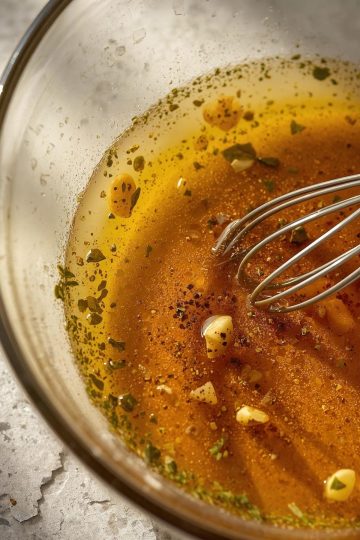
- Whisk the yolks, vinegar, and mustard: Start by whisking egg yolks, vinegar, and mustard until the mixture is slightly foamy. This step is crucial as it introduces air into the yolks, setting the stage for a stable emulsion.
- Gradually add the oil: Now, the magic of emulsification! Slowly drizzle the oil into the yolk mixture in a very thin stream, whisking constantly and vigorously. The key here is patience and control. Adding the oil too quickly can cause the emulsion to break, leaving you with a separated mess rather than a smooth mayo.
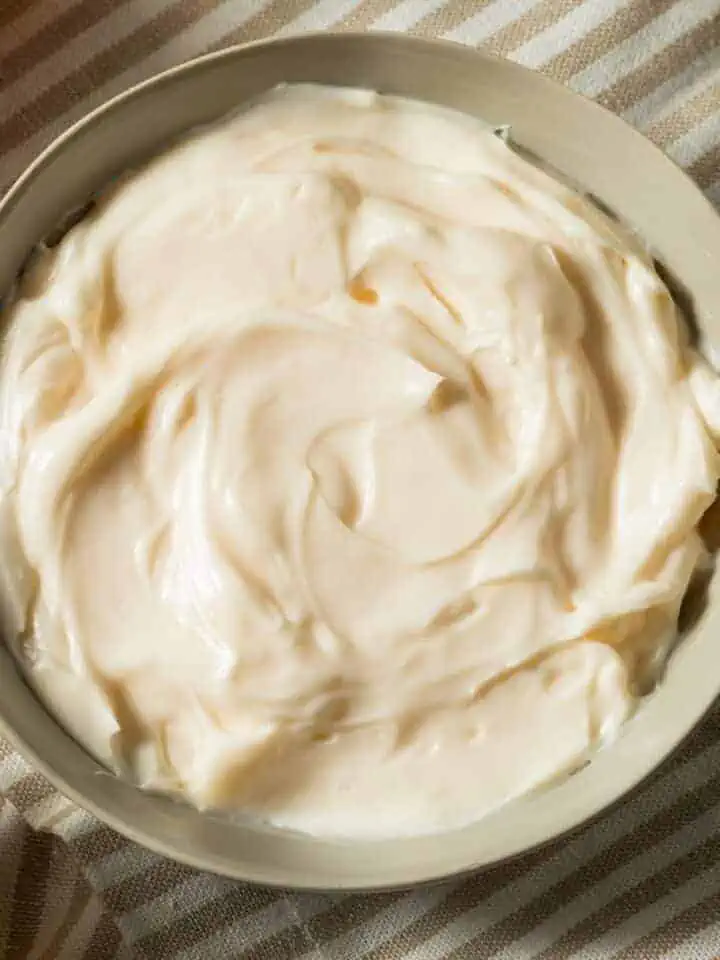
- Whisk until thick: Continue whisking until all the oil is incorporated and the mixture has thickened to the desired consistency of mayonnaise. It should be velvety and hold its shape.
- Season to taste: Now, tailor it to your taste buds. Add salt, freshly ground black pepper, and a bit of lemon juice for a bright note. Remember, seasonings are personal, so adjust according to your preference.
- Refrigerate: Once your mayonnaise is ready, cover it and refrigerate immediately. Homemade mayo doesn't have the same preservatives as store-bought, so keeping it chilled is essential for freshness and food safety.
- Enjoy: Use your homemade mayo as a spread, in dressings, or as a base for various sauces. The possibilities are endless!
Notes
Nutrition
Nutrition Disclaimer: The nutritional information provided is an estimate, calculated using standard data sources. Actual values may vary based on ingredient brands, preparation methods, and portion sizes. This information is for general reference only and should not be considered a substitute for professional dietary advice.