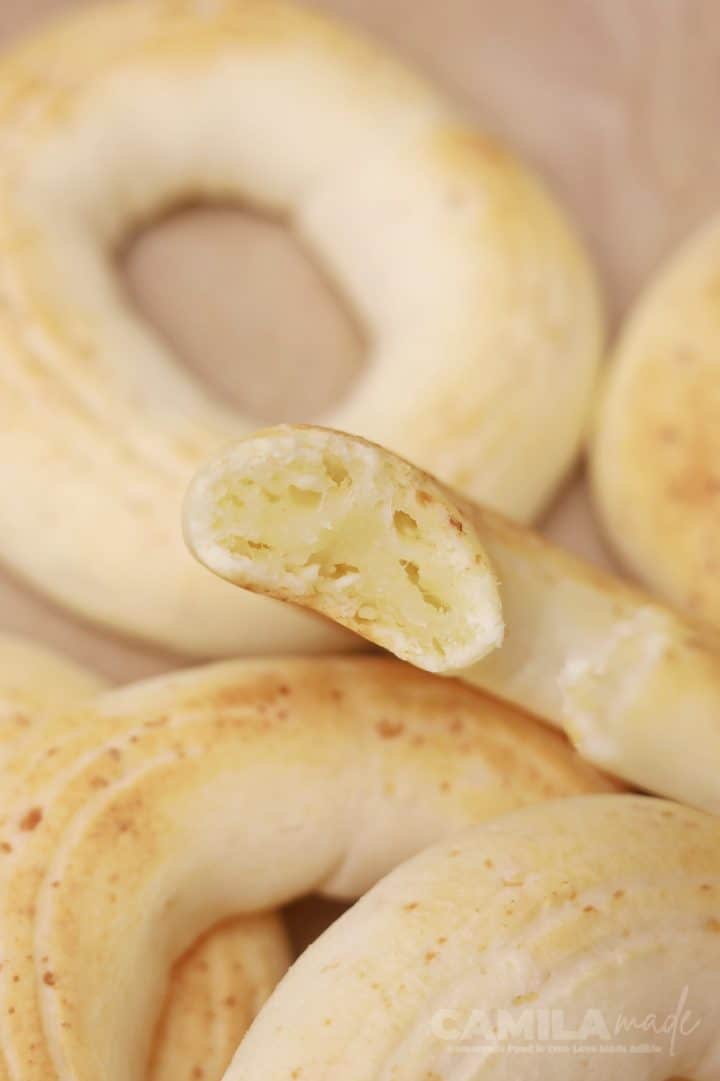
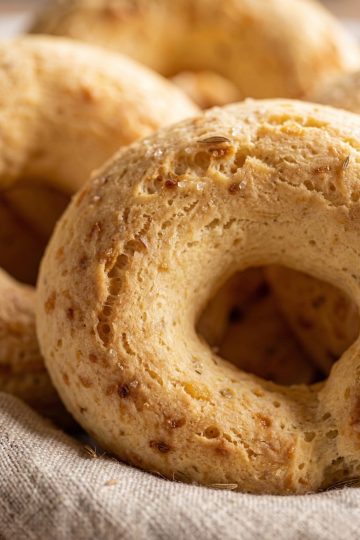
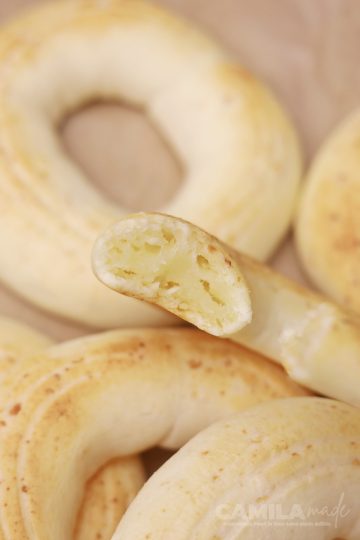
Pandebono (pan de bono) is a Colombian cheese bread made from cassava starch, eggs, and cheese, sometimes filled with guava paste. It is baked into small round or ring-shaped breads and traditionally served warm with hot chocolate.
Jump to
This pandebono recipe is a traditional Colombian cheese bread made with cassava starch, cheese, milk, and eggs, and it does not require yeast or fermentation.
Similar to Paraguayan chipa or Brazilian pão de queijo, pandebono is known for its slightly sweet flavor, soft interior, and three marks on the crust.
Ingredients You'll Need
Note: Full ingredients and amounts are listed in the recipe card below.
- Yuca starch (tapioca starch): Provides the structure and chew typical of pandebono.
- Cornstarch: Softens the crumb and balances elasticity.
- Sugar: Adds the characteristic, lightly sweet flavor.
- Kosher salt: Balances the cheese and starch flavor.
- Unsalted butter: Adds richness and helps soften the dough.
- Eggs: Provide moisture, structure, and binding.
- Feta cheese block (crumbled): Adds a salty, tangy flavor similar to queso costeño, the traditional cheese used in Colombian pandebono. You can substitute queso fresco, queso blanco, queso panela, Cotija, Tvorog, or a blend of one or more of these cheeses.
- Milk or water: Adjusts dough hydration if needed.
- Nido dry whole milk: Adds richness and enhances the flavor while helping create a tender interior.
How to Make Pandebono
Note: Full instructions are provided in the recipe card below.
- Preheat the oven to 400°F (220°C) and line two baking sheets with parchment paper.
- In a large bowl, combine the yuca starch, cornstarch, sugar, and cheese. Mix well.
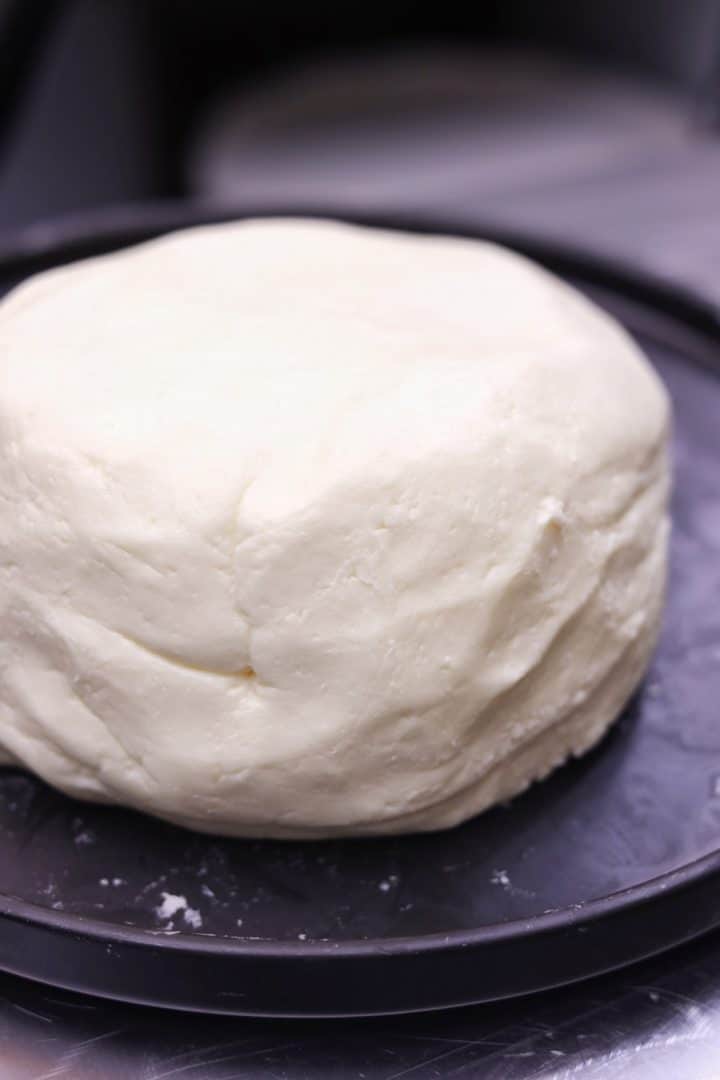
- Add the eggs and softened butter and mix with clean hands until the dough begins to come together. Continue mixing until the dough is smooth and uniform with no lumps. The moisture from the eggs should mostly hydrate the dough.
- If the dough feels too dry, add a very small amount of milk or water, little by little, until the dough becomes smooth and uniform with no lumps. Do not add too much liquid. Test the consistency by pressing a small ball of dough in your hands. If it cracks, add a little more milk.
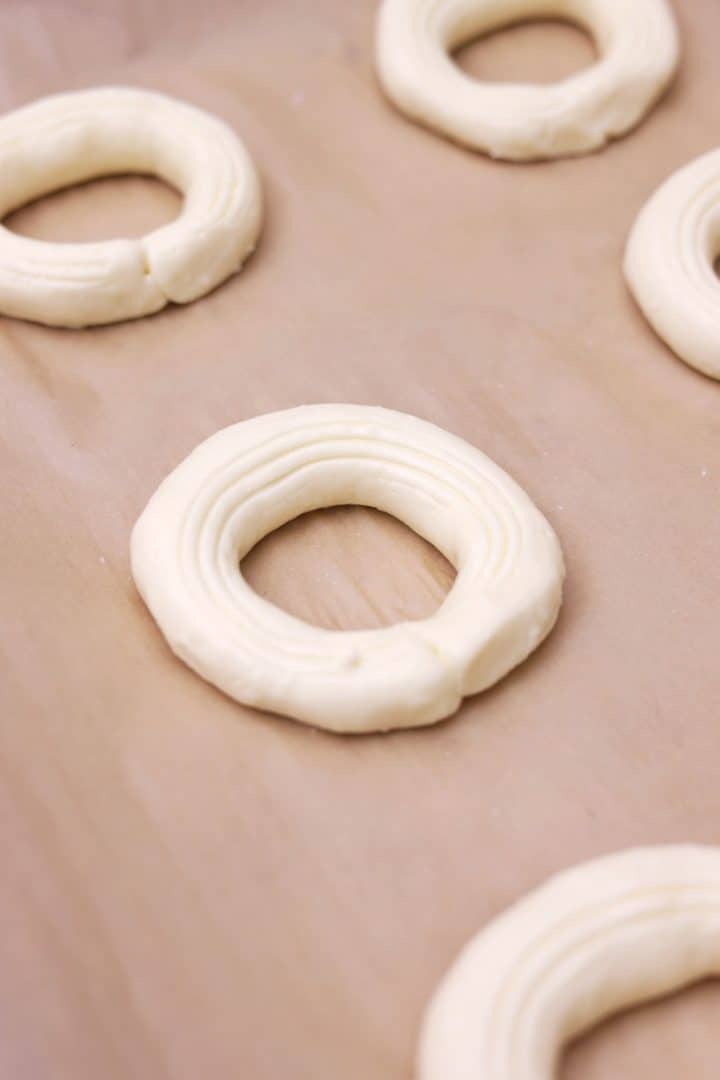
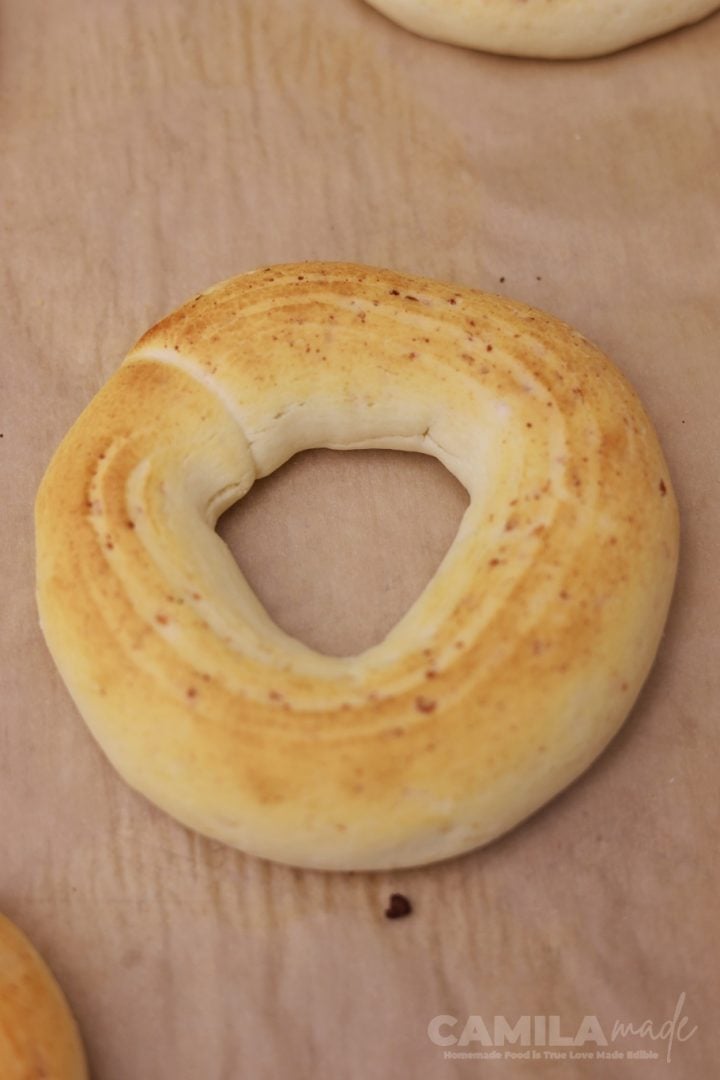
- Divide the dough into portions of about 80 g each. Roll each portion into a rope about 8 inches long. Using a fork, gently drag it from one end of the rope to the other to create three light lines, without piercing the dough. Then join the ends together to form a ring. Arrange on baking sheets with space between them. Bake for 18 to 20 minutes, until puffed and lightly golden. Serve warm.
Hint: I developed this pandebono recipe to be lightly sweet because that's how my family likes it. If you prefer it sweeter, you can increase the sugar to about 60 g.
Storage, Make Ahead, & Freezing
Storage: Pandebonos are best eaten fresh, but they can be stored in an airtight container at room temperature for up to 2 days.
Make Ahead: Shape the dough balls and refrigerate tightly covered for up to 24 hours before baking.
Freezing: Place the shaped dough balls on a baking sheet and freeze until firm. Transfer them to a freezer bag or an airtight container and store for up to 2 months. Bake directly from frozen at 400°F, adding 3-5 extra minutes to the baking time.
Camila's Tips & Variations
- Yuca starch: I made this recipe using sweet yuca starch (also called tapioca starch). This is not the same as yuca flour. Yuca starch is extracted starch, while yuca flour is made from the whole root and will not give the same texture. You can also use sour yuca starch if you can find it. If using sour yuca starch, omit the baking powder, since the natural fermentation in the starch provides lift.
- Cheese: When I was developing this recipe, I approached it the same way I do when making Paraguayan chipa, since they're very similar in structure and technique.
I tested the dough with different cheeses, treating it just like chipa dough, and found that pandebono turns out beautifully with almost any firm, slightly salty cheese that isn't too moist. As long as the cheese holds its structure and isn't watery, you'll still get excellent results. - Kosher salt: Adjust the salt based on the cheese you're using. If the cheese is already salty, reduce the added salt slightly. If it's mild, you may need a bit more to balance the flavor. Be careful not to over-salt-the dough can quickly become too salty and ruin the overall taste.
- Dough cracking while shaping: Add 1-2 tablespoons of milk until the dough becomes smooth and pliable.
- Shape: I went with the traditional ring shape for this recipe, but you can also form the dough into smooth balls and leave them plain. If you'd like, you can gently press three lines on top with a fork-without piercing the dough-for the classic pandebono look. I recommend using about 65 g of dough per piece for even baking and a consistent size.
- Pandebono is spreading too much: Add a small amount of yuca starch to help the dough hold its shape.
Frequently Asked Questions
What cheese is best for pandebono?
Queso costeño is traditional for pandebono. If unavailable, use queso fresco, queso blanco, feta, Cotija, or a queso fresco-feta combination for similar saltiness and texture.
Why is my pandebono dough cracking?
The dough is too dry. Add small amounts of milk until the dough becomes smooth and forms balls without cracking.
Why is my pandebono spreading in the oven?
The dough may be too wet or the cheese too soft. Add a little cassava starch to help the dough hold its shape.
Why does pandebono taste slightly sweet?
Pandebono traditionally includes a small amount of sugar, which balances the salty cheese and gives the bread its characteristic flavor.
Can I use pre-shredded cheese for pandebono?
It's not recommended. Freshly grated or processed cheese blends more smoothly into the dough and improves texture.
You may also like

See more Colombian Recipes→
Recipe
Pandebono
Equipment
- Fork (to make the three marks on top)
Ingredients
- 330 g yuca starch , also known as tapioca starch
- 70 g cornstarch or P.A.N precooked white cornmeal
- 1 tablespoon Nido dry whole milk , optional
- 1 teaspoon baking powder
- 30-60 g sugar , depending on how sweet you want it, you can add more sugar
- ¼ teaspoon kosher salt
- 80 g unsalted butter
- 2 large eggs
- 400 g fresh white cheese, crumbled (preferably hard and dry)
- 50 ml milk or water , as needed
Instructions
- Preheat the oven to 400°F (220°C) and line two baking sheets with parchment paper.
- In a large bowl, combine the yuca starch, cornstarch, sugar, and cheese. Mix well.
- Add the eggs and softened butter and mix with clean hands until the dough begins to come together.
- Continue mixing until the dough is smooth and uniform with no lumps. The moisture from the eggs should mostly hydrate the dough.
- If the dough feels too dry, add a very small amount of milk or water, little by little, until the dough becomes smooth and uniform with no lumps.
- Do not add too much liquid. Test the consistency by pressing a small ball of dough in your hands. If it cracks, add a little more milk.
- Divide the dough into portions of about 80 g each. Roll each portion into a rope about 8 inches long.
- Using a fork, gently drag it from one end of the rope to the other to create three light lines, without piercing the dough.
- Then join the ends together to form a ring. Arrange on baking sheets with space between them. Bake for 18 to 20 minutes, until puffed and lightly golden. Serve warm.
Notes
Nutrition
Nutrition Disclaimer: The nutritional information provided is an estimate, calculated using standard data sources. Actual values may vary based on ingredient brands, preparation methods, and portion sizes. This information is for general reference only and should not be considered a substitute for professional dietary advice.