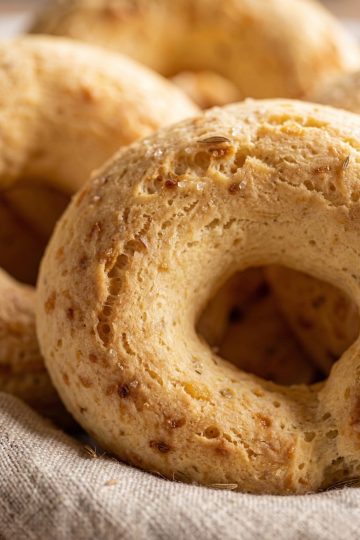
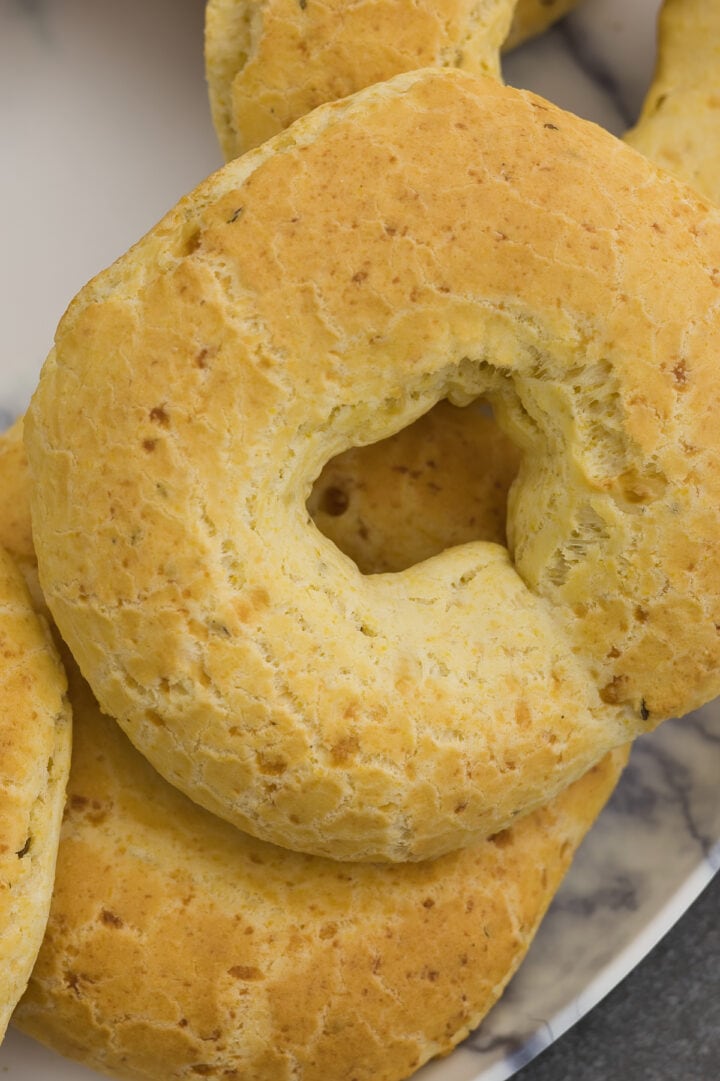
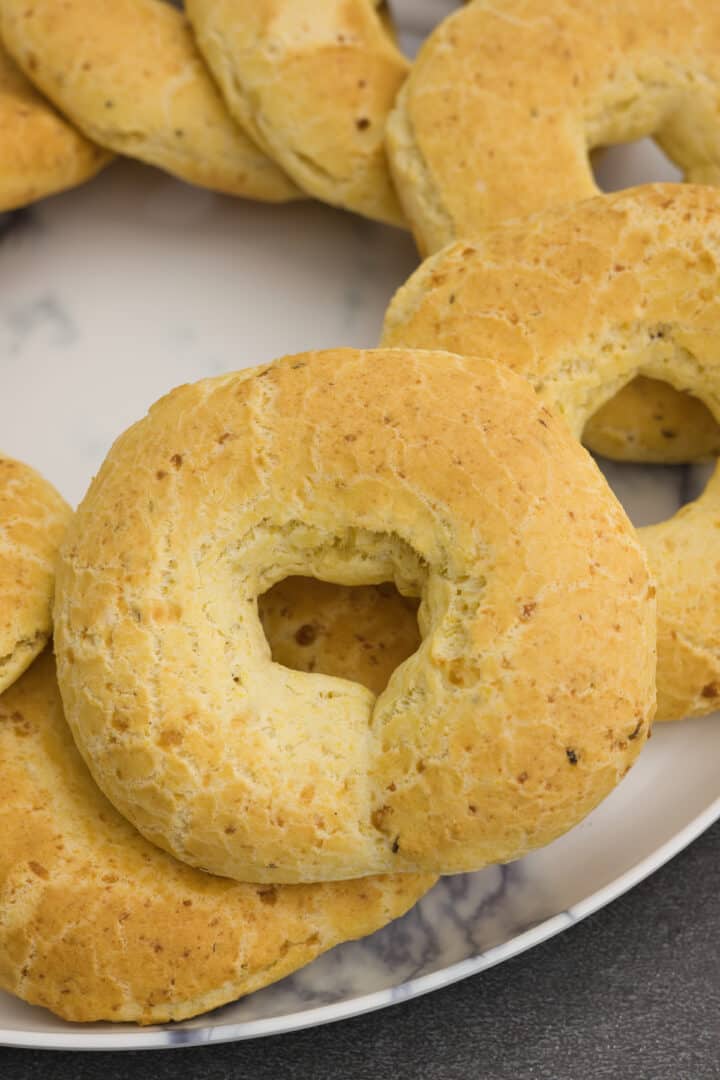
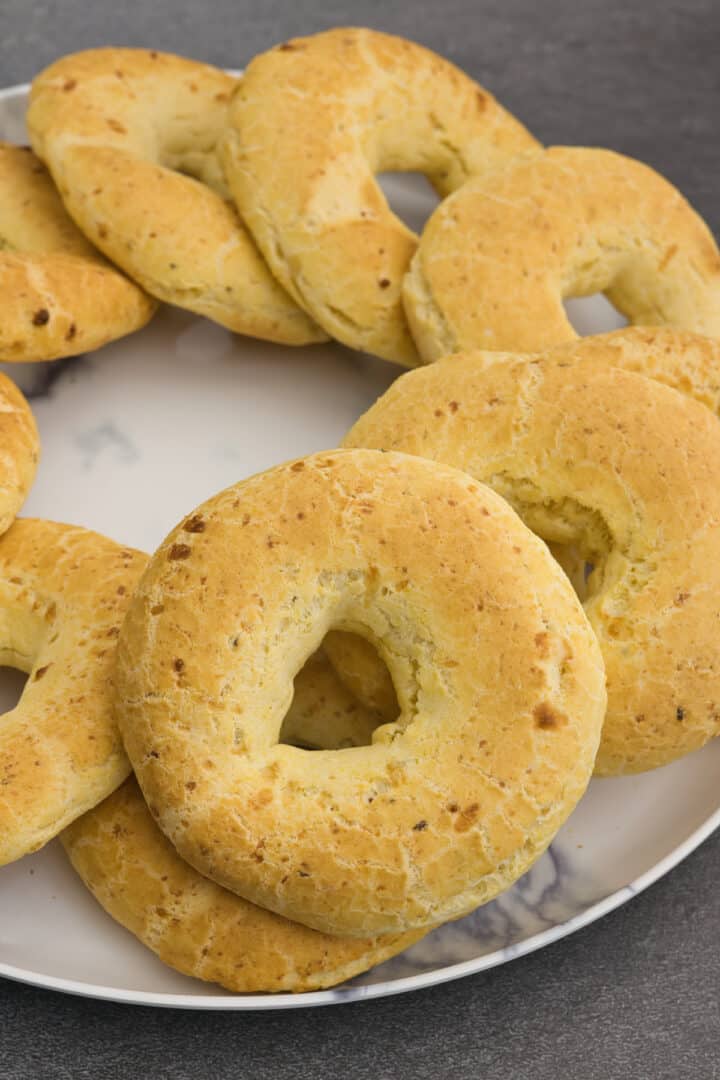
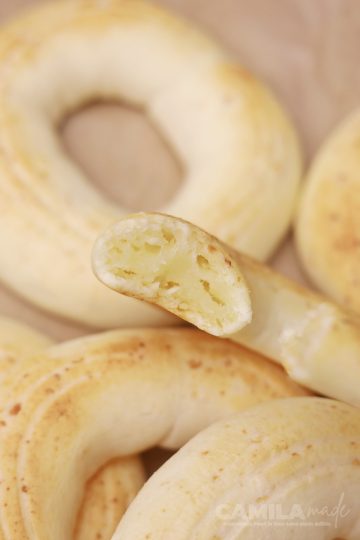
This chipa recipe is a traditional Paraguayan cheese bread made with yuca (tapioca) starch, eggs, and cheese. Naturally gluten-free, it is baked at high heat for a lightly crisp exterior and a soft, chewy center.
Jump to
It uses accessible ingredients while preserving the balance of authentic chipa, ensuring the dough holds its shape and bakes with a consistent, tender texture every time.
This method is based on traditional Paraguayan techniques and adapted to ensure ingredient consistency outside Paraguay.
What is Chipa?
Chipa is a staple of Paraguayan cuisine known for its chewy texture and rich cheese flavor.
Unlike wheat breads, it contains no gluten or yeast and relies on the interaction of starch, fat, cheese, and liquid to create its structure. It is commonly served with mate cocido, café con leche, or coffee.
Types of Chipa
Chipa is not a single recipe but a category of traditional Paraguayan breads made from the same base of yuca starch and cheese.
Common types include:
- Chipa Paraguaya - the classic cheese bread version
- Chipa Pirú - a thin, crunchy variation
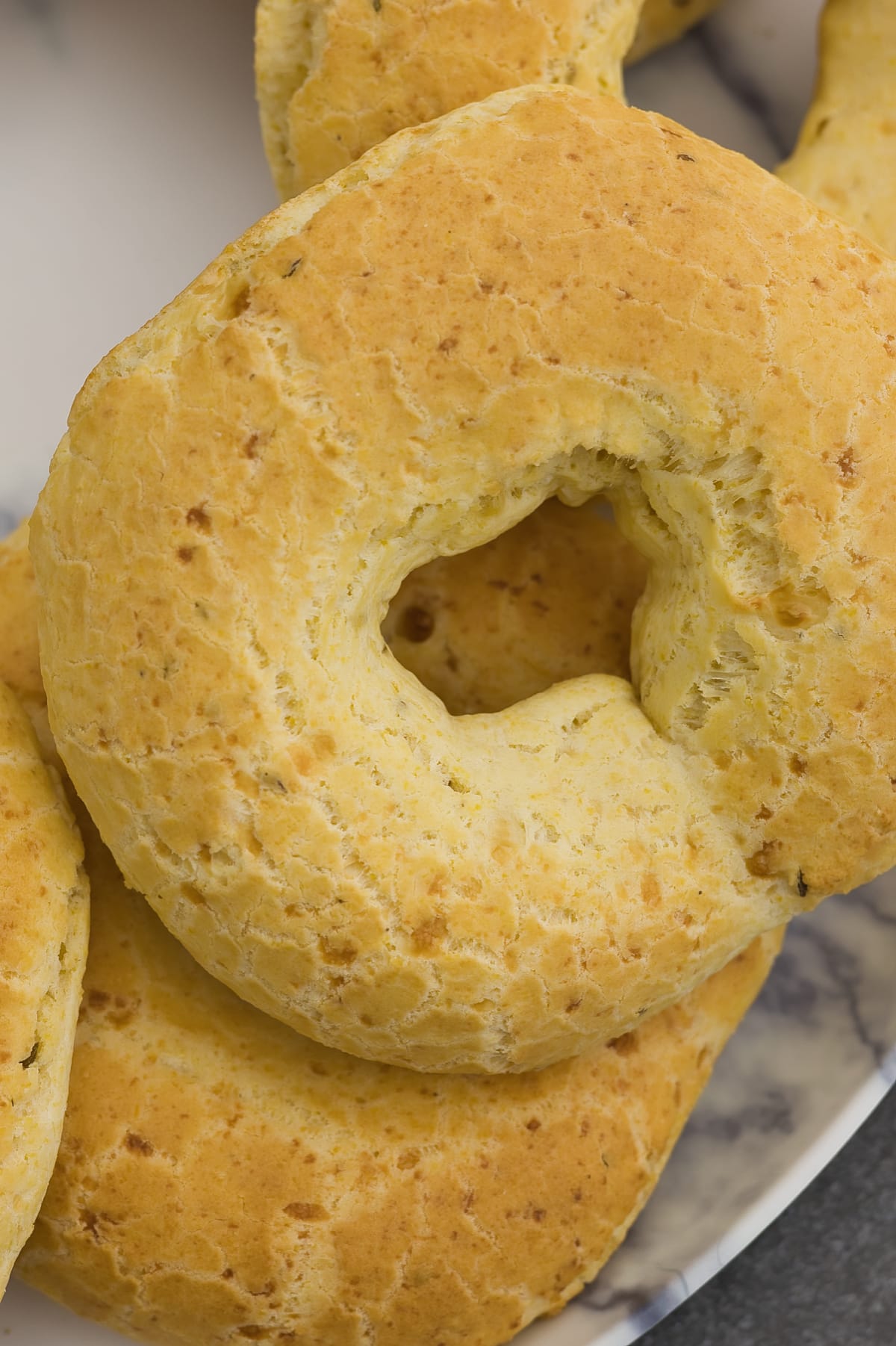
- Chipita - small ring-shaped chipas
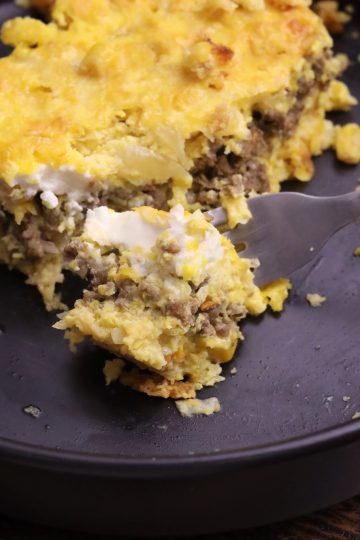
- Chipa So'o - chipa filled with seasoned meat
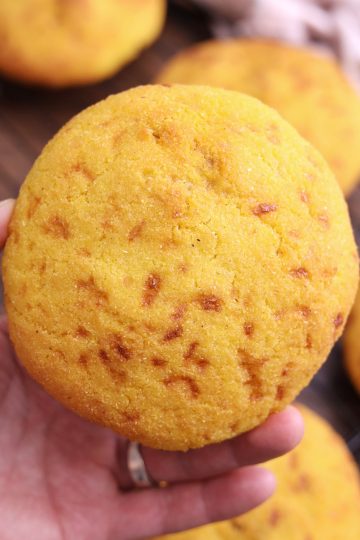
- Chipa Mestizo - made with cassava starch and cornmeal
Each version offers a different texture and flavor, from soft and chewy to thin and crunchy.
If you want a richer version, try my Chipa 4 Quesos
Best Substitute for Queso Paraguay
If you cannot find queso Paraguay, use a mild semi-soft or semi-hard cheese, or a combination of both, as long as it has moderate salt and medium moisture.
Queso Paraguay melts gently and has balanced moisture. It is less wet than fresh mozzarella and less dry than aged cheeses like Parmesan, so the goal is to replicate that balance.
• Semi-soft cheeses (Monterey Jack, queso panela, Oaxaca) provide elasticity and moisture.
• Semi-hard cheeses (mild cheddar, low-moisture mozzarella block) provide structure and salt.
• A combination of both often produces the best texture.
Avoid cheeses that are:
• Very aged and dry
• Extremely salty
• Pre-shredded (they contain anti-caking agents). However, if needed, it will still work. Expect slightly less elasticity and a firmer texture.
Ingredients You'll Need
- Yuca (tapioca) starch: Provides structure and chew. Use starch, not cassava flour.
- Semi-soft cheese: Adds salt, moisture, and elasticity.
- Eggs: Bind the dough and improve texture.
- Butter or pork fat: Adds richness and tenderness.
- Milk (or buttermilk): Hydrates the dough; use only as needed.
- Salt: Balances flavor.
- Anise seeds (optional): Adds traditional aroma.
How to Make Chipa
Note: Full instructions are provided in the recipe card below.
- Preheat oven to 500°F (260°C). The oven must be fully hot before baking.
- Combine dry ingredients.
- Make a well in the center.
- Cream butter (or fat) and eggs inside the well.
- Incorporate dry ingredients until a coarse mixture forms.
- Add cheese.
- Add milk or buttermilk gradually only if needed.
- Knead until smooth, compact, and pliable.
- Rest the dough briefly.
- Shape into rings or small rolls.
- Bake 15-17 minutes until lightly golden and puffed.
- Serve warm.
Hint: If the dough already holds together smoothly, do not add more milk. Excess liquid will cause the chipas to spread instead of holding their shape.
Dough Consistency (Critical for Success)
The dough should feel compact, moist, and pliable. It should not be sticky or crumbly. Hydration depends on egg size, cheese moisture, and humidity, so add liquid only if the dough does not bind together.
Why High Heat Matters
Chipa must bake in a very hot oven so the dough expands quickly and the exterior sets before the interior dries out. Traditionally, chipas are baked in a tatakuá, a Paraguayan clay oven that retains intense heat and produces the characteristic golden cheese spots.
If the oven temperature is too low, chipas bake slowly, and the starch dries before the structure sets, resulting in bread that is hard and dry instead of soft and chewy. Bake at 500°F (260°C) for 15-17 minutes, just until lightly golden, to maintain the proper texture.
How Should Chipa Texture Be?
A good chipa should be soft and slightly chewy on the inside, with a lightly set exterior.
It should feel tender when you bite into it, never hard or dry. The interior should be moist and elastic, not dense, with the cheese fully integrated into the dough rather than separated or greasy.
The outside should not be crunchy like a cookie-except for chipa pirú, also known as chipita, which is intentionally thin and crisp.
If the texture is right, the chipa will feel light in the hand, slightly springy, and easy to bite-never stiff, heavy, or crumbly.
Storage & Freezing
Storage: Best enjoyed fresh. Store cooled chipa in an airtight container at room temperature for up to 3 days. Warm briefly in the microwave, but do not overheat.
Freezing: Chipa can be frozen baked or raw for up to 2 months.
- To freeze baked chipa: Let cool completely, then store in an airtight freezer bag. Reheat in a 350°F (175°C) oven for 5-8 minutes until warmed through. Microwave briefly if needed, but do not overheat.
- To freeze raw chipa: Shape the dough and freeze on a tray until firm. Transfer to a freezer bag. Thaw at room temperature until slightly softened, then bake as directed, adding 1-2 extra minutes if needed.
Camila's Tips & Variations
- Want traditional flavor: Use pork fat instead of butter and add anise seeds.
- Dough too dry: Add milk gradually, 1 tablespoon at a time, until the dough binds without cracking.
- Dough too sticky: Add a small amount of cassava starch and knead until compact and smooth.
- Dough drying while shaping: Place shaped chipas on the baking sheet and cover with a clean kitchen cloth while finishing the rest.
- Chipa spreading while baking: The dough was too soft. Reduce the liquid slightly next time.
- Chipa too hard: It was overbaked, or the oven was too low. Bake at high heat and remove when lightly golden.
Is chipa gluten-free?
Yes. Traditional chipa uses cassava starch, which contains no gluten.
Why does my chipa turn out dry?
Overbaking or too much starch causes dryness. Bake only until lightly golden and avoid adding excess starch.
Can I use mozzarella instead of Paraguayan cheese?
Yes. Use low-moisture mozzarella and avoid pre-grated cheese for the best texture.
Why didn't my chipa puff?
The oven was not hot enough. High heat creates rapid expansion.
Can I freeze chipa dough?
Yes. Freeze shaped dough, then bake from thawed at room temperature.
Watch Recipe Video
Pair with


You may also like
Recipe
Chipa
Equipment
- (2) 13" x 18" Baking Sheet
- Extra large mixing bowl
Ingredients
- 500 g yuca starch also known as Tapioca Starch
- 100 g Quaker yellow cornmeal
- 1 tablespoon non-aluminum baking powder Traditional chipa doesn't contain baking powder, but I like to add it to make it lighter and fluffier.
- 400 g panela cheese, crumbled or low-moisture mozzarella (shredded
- 150 g softened butter I use butter in this recipe because I prefer its flavor, but alternatives like shortening or margarine can also be used.
- 50-100 ml whole milk or buttermilk room temperature ( Use only as much as needed to achieve a moist dough, taking care not to over-moisten it). See my instructions for how to make homemade buttermilk here.
- 4 large eggs , room temperature
- 1-½ teaspoons kosher salt , or to taste
- 1 tablespoon anise Seeds Optional, but highly recommended.
Instructions
- Preheat your oven to 500°F (260°C) and line two 13x18x1 baking sheets with parchment paper.
- In a large mixing bowl, combine tapioca starch, cornmeal, salt, anise, and baking powder.
- On a clean work surface, pour out the yuca starch mixture and form a well in the center. Add softened butter and eggs and mix with your fingers until creamy.
- Gradually incorporate the dry ingredients into the wet mixture by hand until a coarse crumb forms. (The coarse crumb should appear loose but hold together when pressed.)
- Mix in cheese until well integrated.
- Slowly add buttermilk, just enough to make the dough easy to knead but not too firm. Knead by hand until the dough is compact and moist. Note: you may not need to use all the buttermilk; if it becomes too soft, add a little more yuca starch.
- Knead the dough using the heel of your hand to push it away from you, then gather it back using a bench scraper. Continue until the dough is smooth, compact, and no longer sticks to the surface or your hands, about 4-5 minutes. Note: The dough should have a smooth playdough-like consistency when done.
- Cover the dough with a clean kitchen towel and let it rest for 15-20 minutes.
- To shape the chipas, pinch off a piece of dough and roll it into a ball, about 130g each. Roll into an 8-inch log, join the ends to form a circle, and press to seal. For diagonal shapes, roll into a 9-inch long, 2-inch diameter log and cut into 3-inch diagonal slices.
- Place shaped dough on the prepared baking sheets and bake until lightly golden and puffed, about 12-15 minutes. Do not overcook. Serve immediately.
Watch how to make it
Notes
- To freeze baked chipa: Let cool completely, then store in an airtight freezer bag. Reheat in a 350°F (175°C) oven for 5-8 minutes until warmed through. Microwave briefly if needed, but do not overheat.
- To freeze raw chipa: Shape the dough and freeze on a tray until firm. Transfer to a freezer bag. Thaw at room temperature until slightly softened, then bake as directed, adding 1-2 extra minutes if needed.
Nutrition
Nutrition Disclaimer: The nutritional information provided is an estimate, calculated using standard data sources. Actual values may vary based on ingredient brands, preparation methods, and portion sizes. This information is for general reference only and should not be considered a substitute for professional dietary advice.