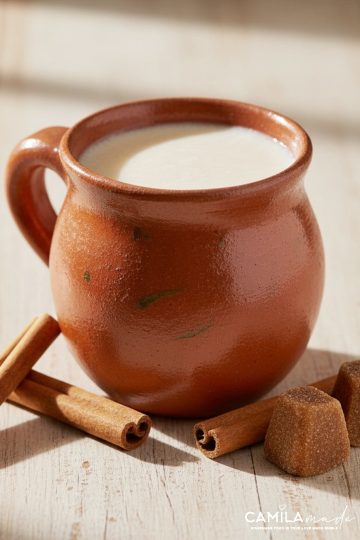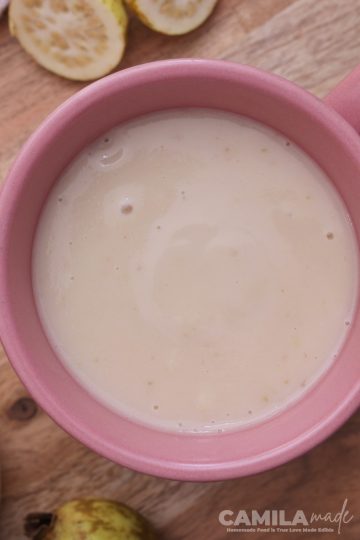
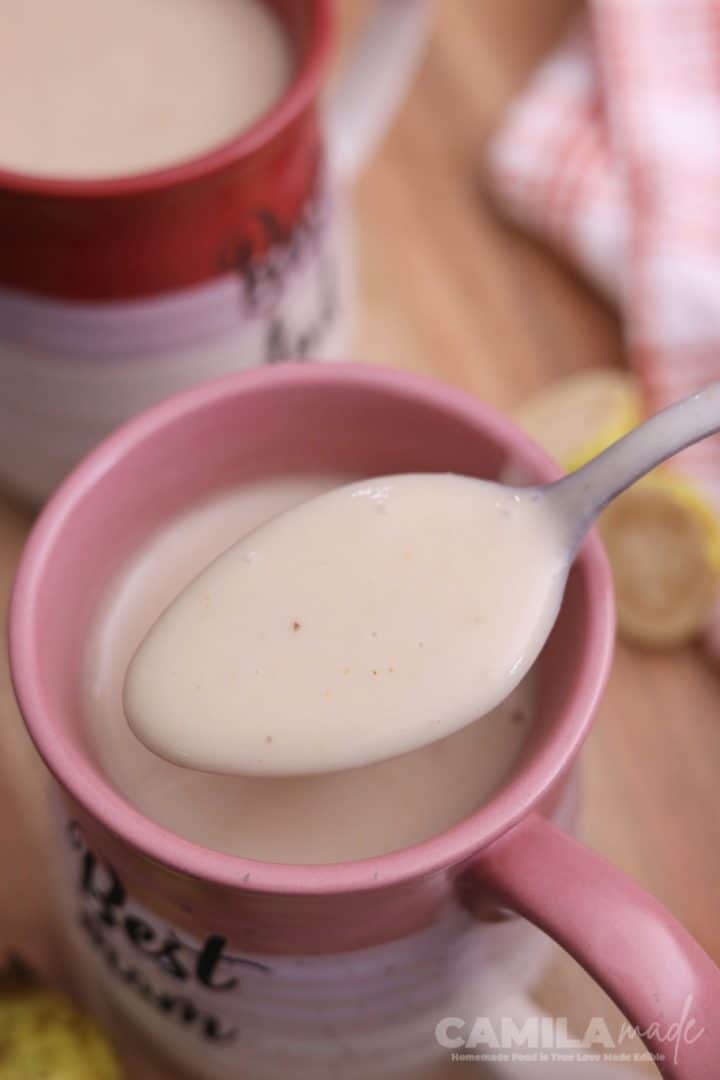
Atole de Guayaba (Guava Atole) is a warm, traditional Mexican beverage made from guavas, thickened with cornstarch or masa harina, and sweetened with piloncillo, often flavored with cinnamon.
Jump to
It's typically enjoyed during the colder months and festive seasons.
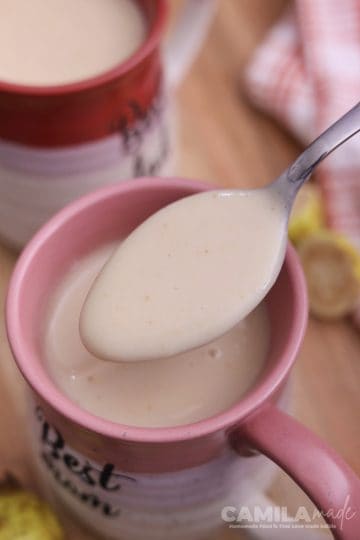
This Atole de Guayaba recipe is an easy, authentic Mexican drink made with fresh guavas, piloncillo, cornstarch, cinnamon, and milk.
A touch of baking soda balances the guava's acidity, preventing it from curdling and keeping the atole silky and smooth, while the piloncillo adds rich caramel sweetness that enhances the warm cinnamon flavor.
Ingredients You'll Need
Note: See the recipe card for quantities.
- Guava: Adds natural sweetness, fruity flavor, and the signature aroma of this traditional atole.
- Piloncillo: Adds a rich caramel flavor and can be replaced with light brown sugar or granulated sugar if needed.
- Cinnamon Stick: Adds warmth.
- Cornstarch: Thickens the mixture, giving it a smooth, creamy texture.
- Baking Soda: Neutralizes the guava's acidity so the milk doesn't curdle.
- Milk: Creates a rich, silky base. For a creamier atole, replace 1½ cups of whole milk with one 354 ml (12 oz) can of evaporated milk.
How to Make Atole de Guayaba
Note: Full instructions are provided in the recipe card below.
In a pot, heat 2 cups of water with cinnamon and piloncillo until dissolved and fragrant.
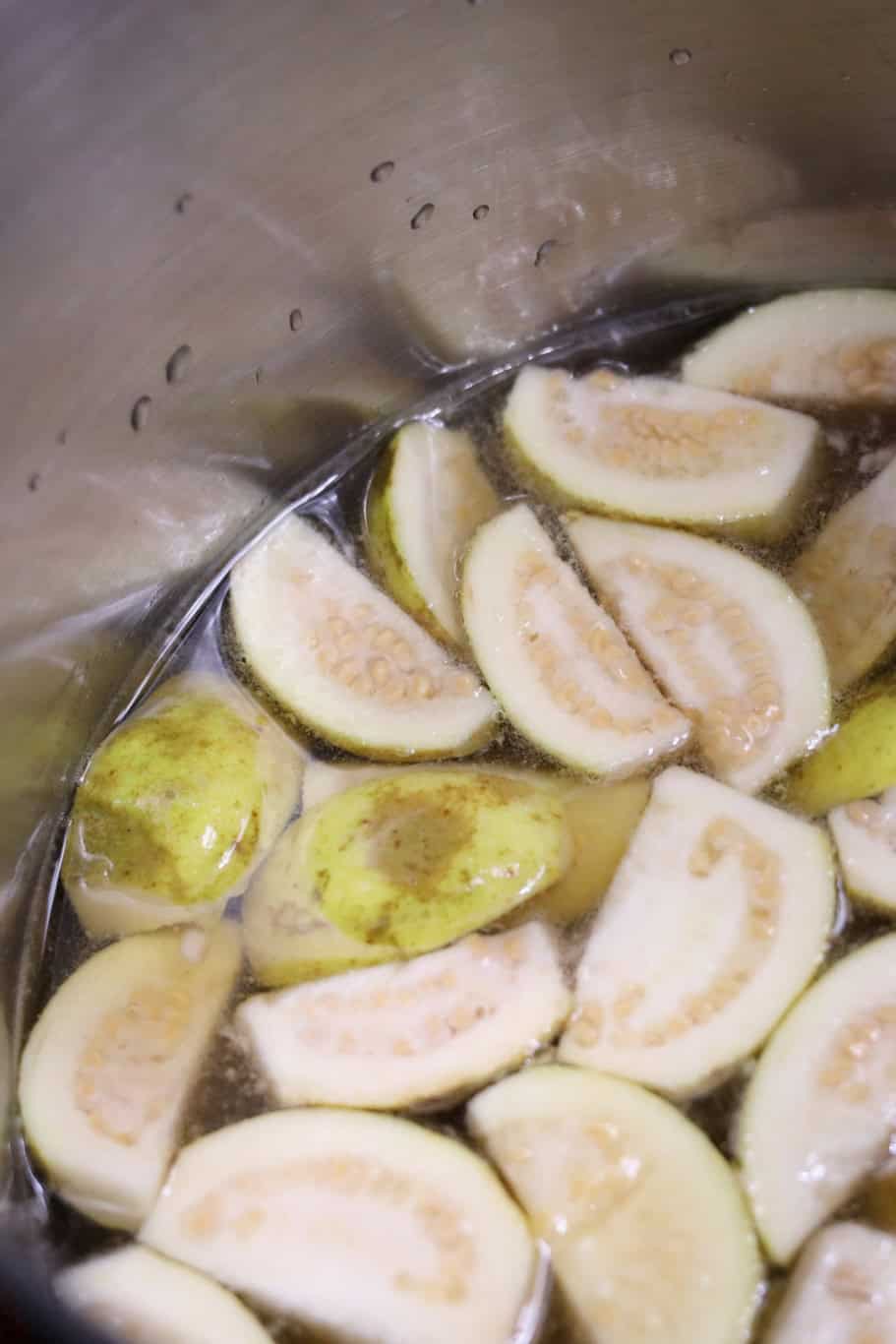
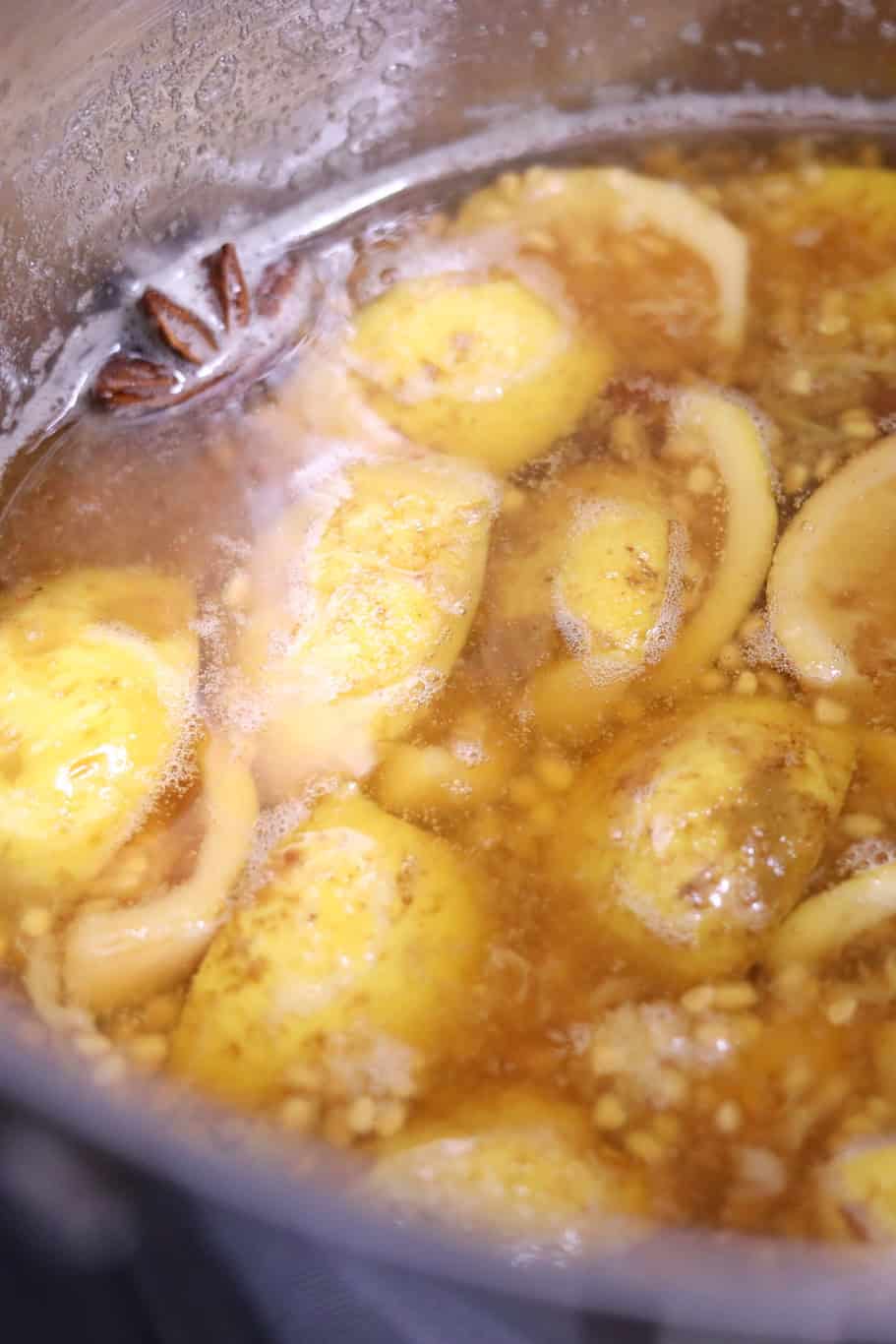
Add guavas, boil gently, then simmer covered until soft (about 15 minutes).
Let cool slightly, dissolve cornstarch in 1 cup of water, and set aside.
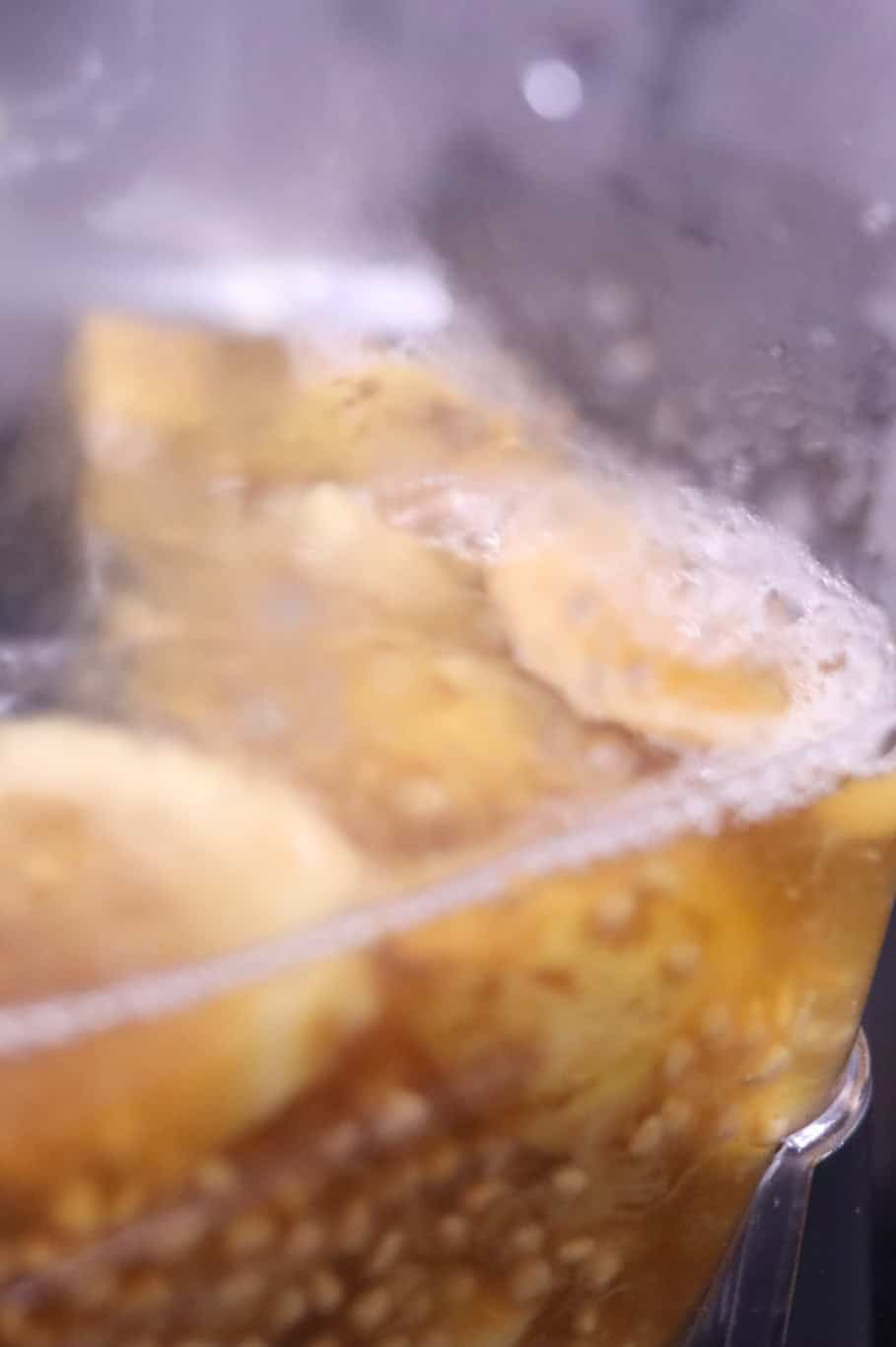
Remove cinnamon, blend guavas with their liquid, and strain back into the pot.
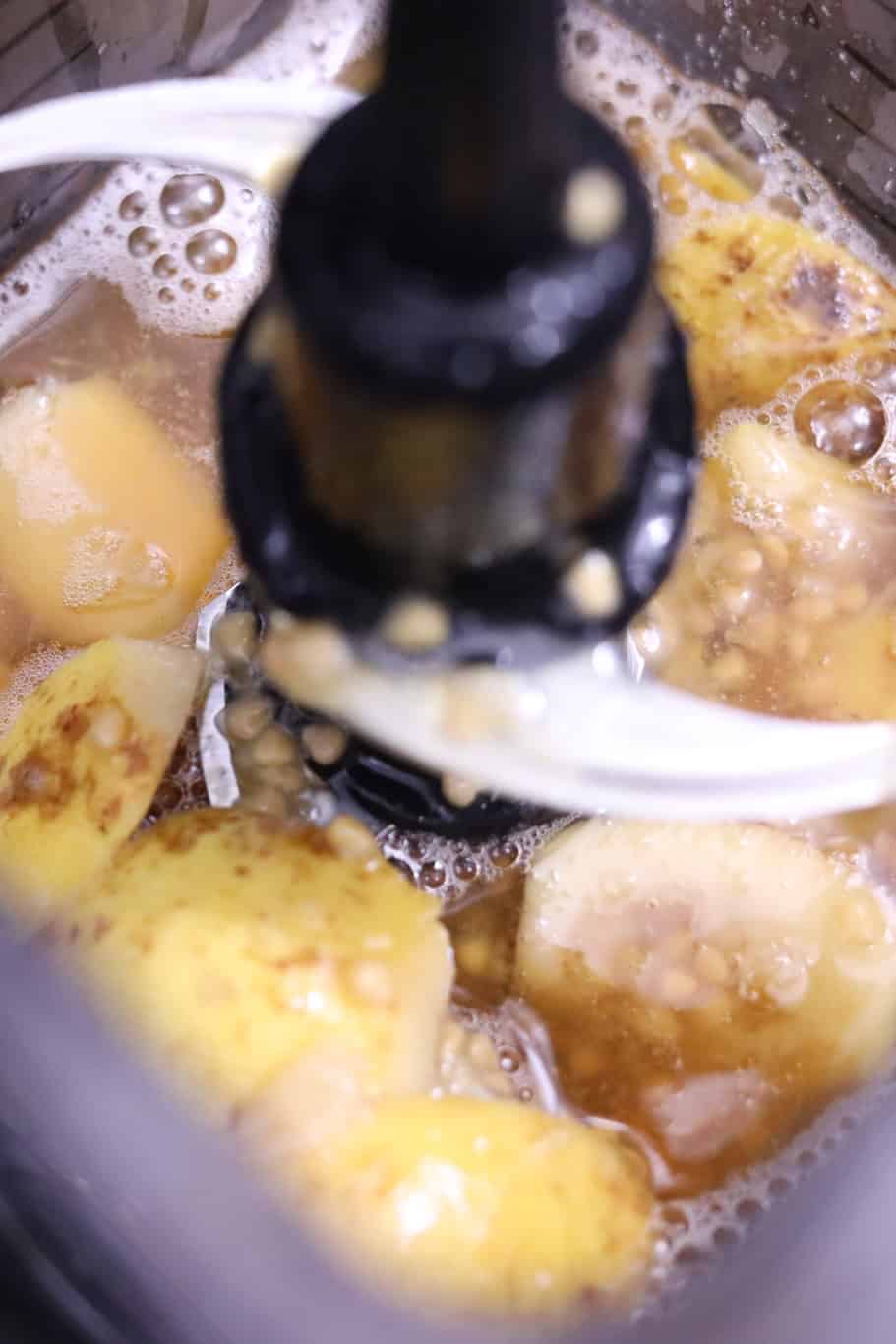
Add baking soda and stir until bubbles disappear to neutralize acidity.
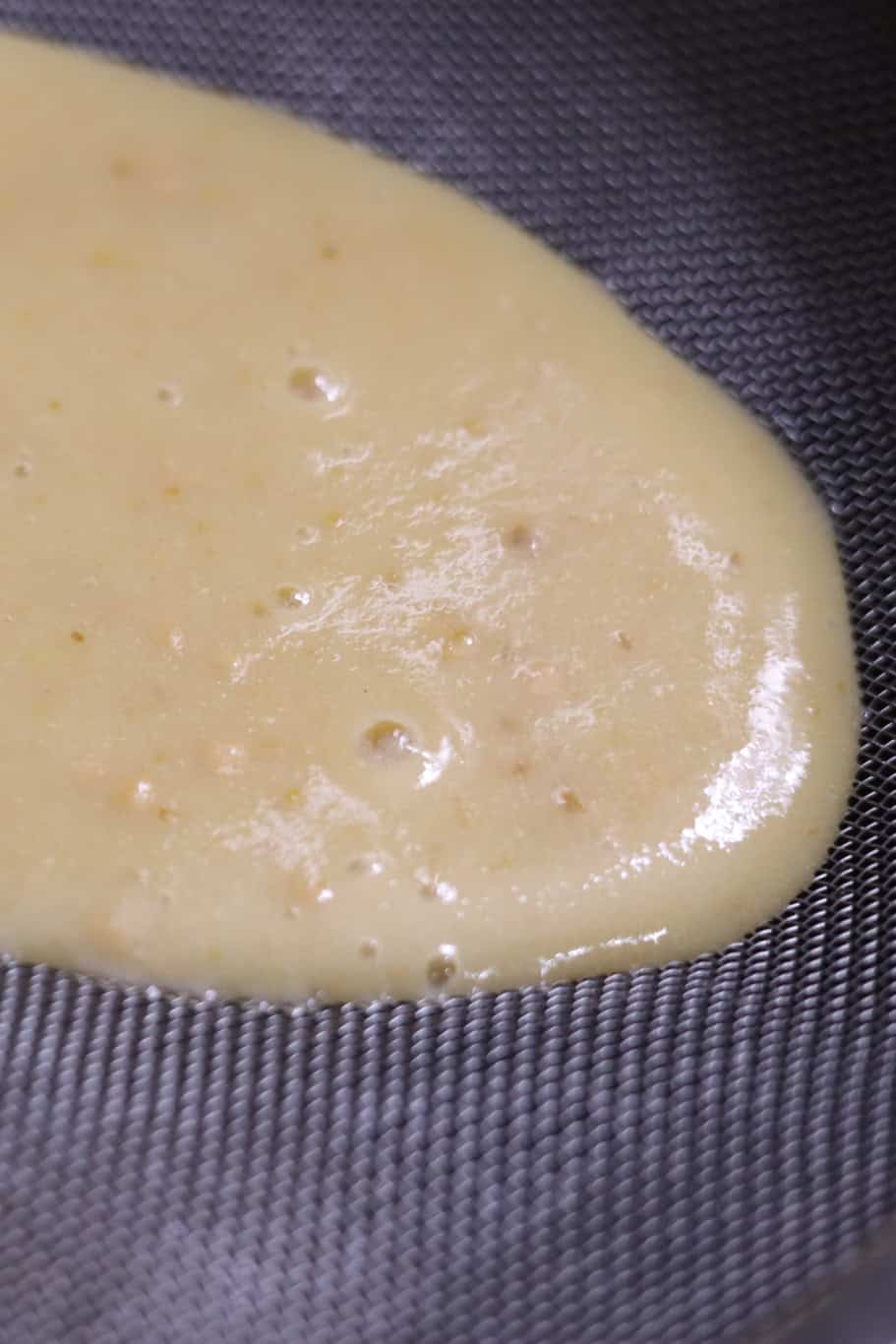
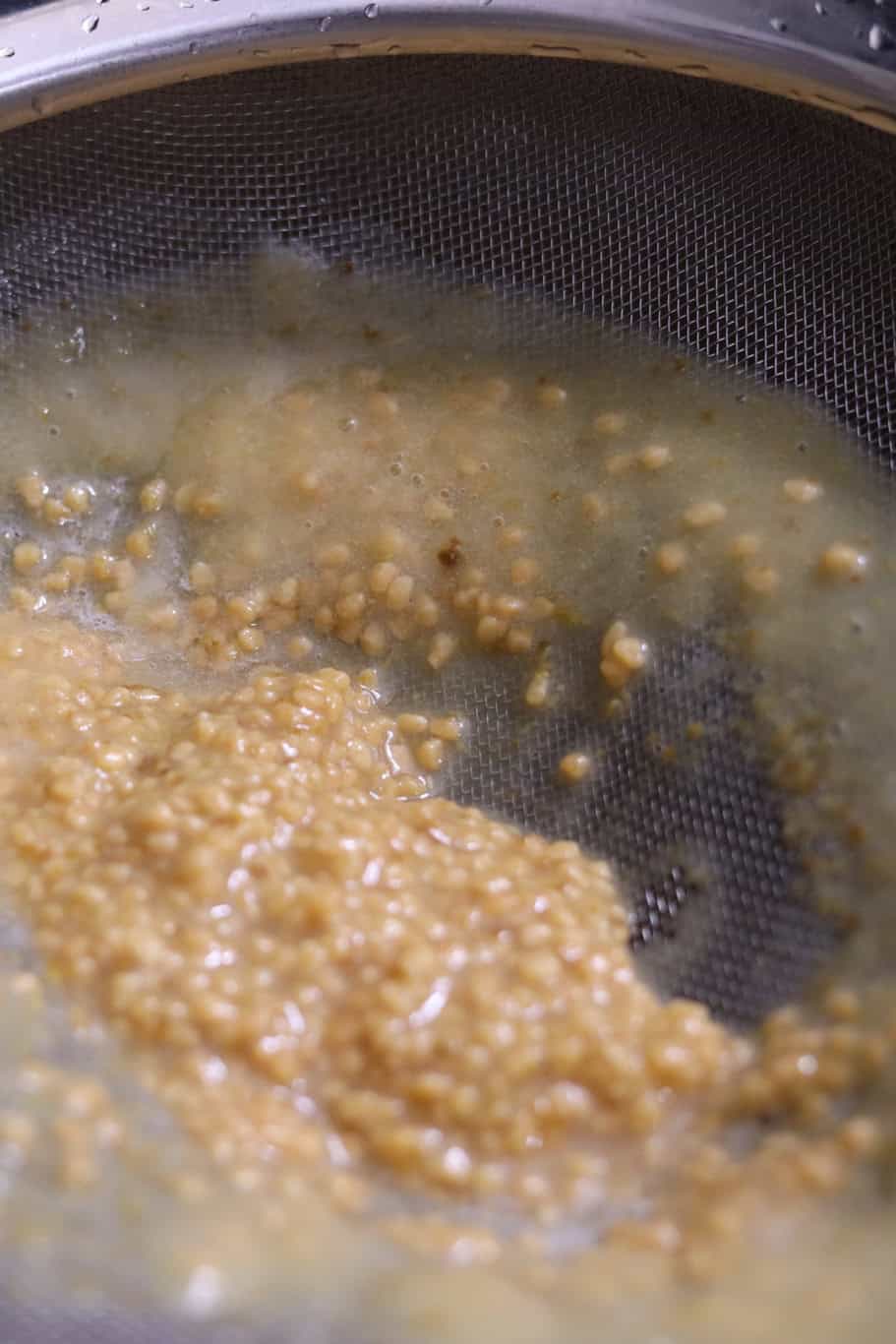
Pour in milk, stirring constantly to prevent curdling.
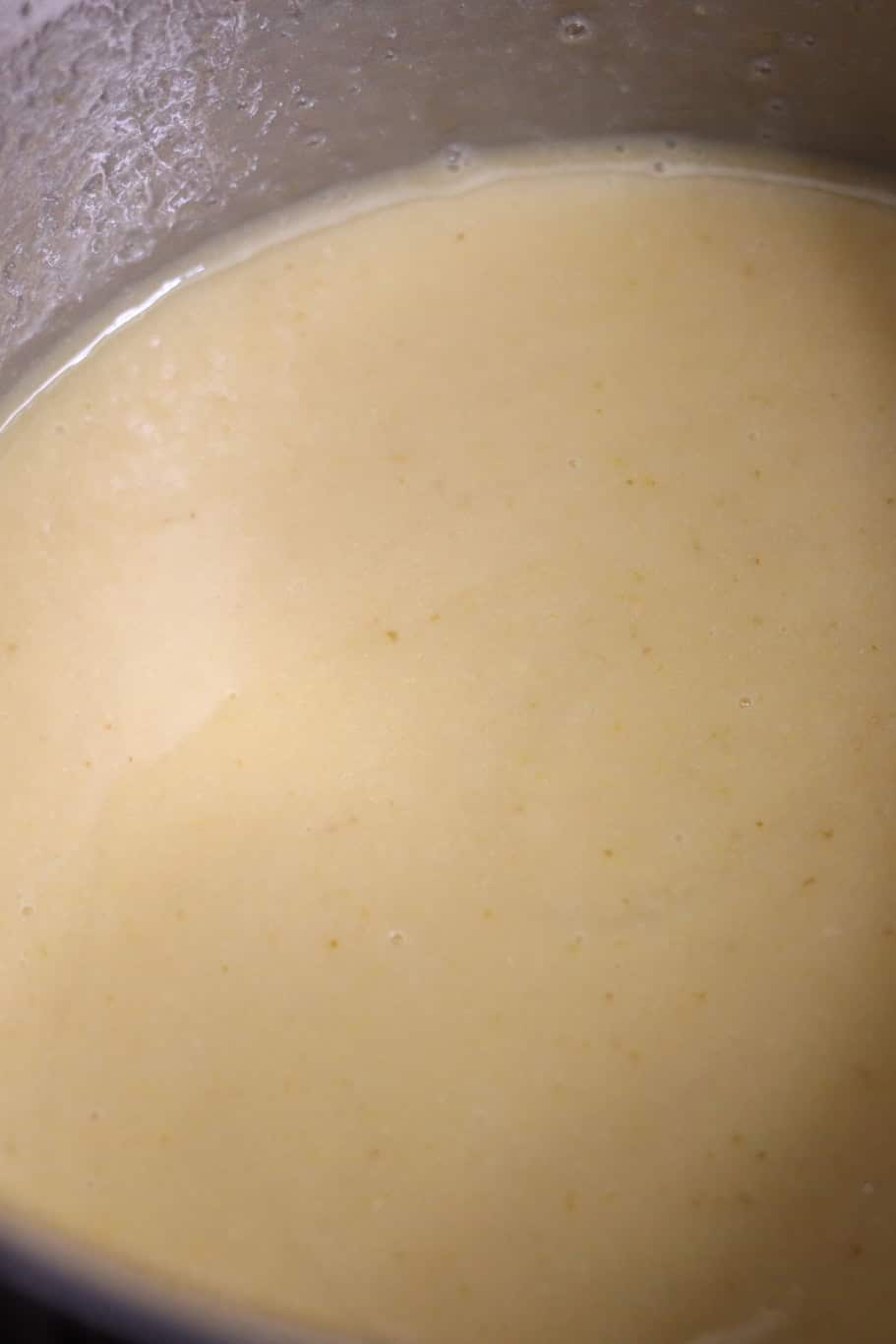
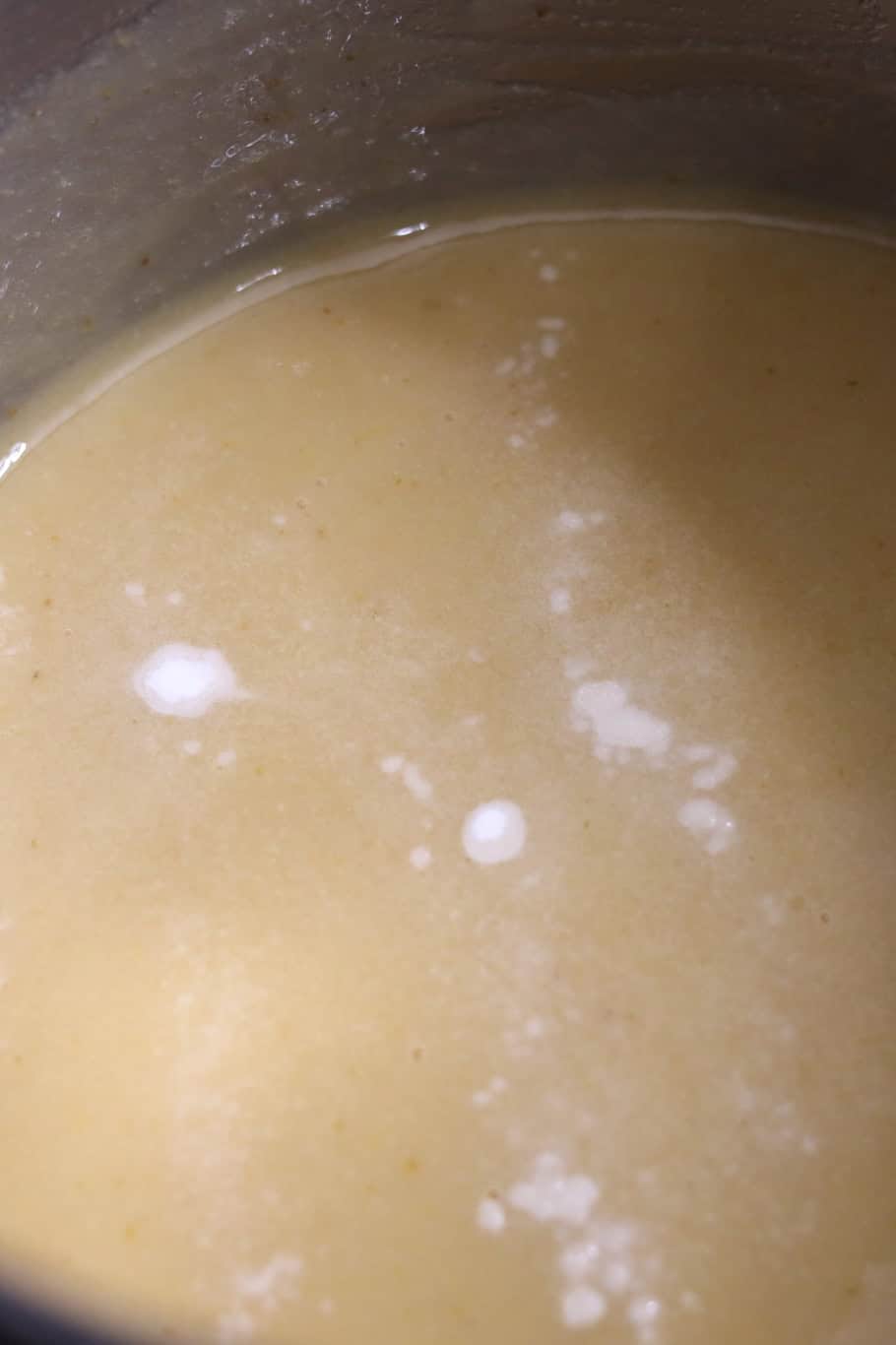
When it starts to boil, add dissolved cornstarch and cook, stirring, until thick and creamy (about 15 minutes). Stir in vanilla extract.
Serve hot.
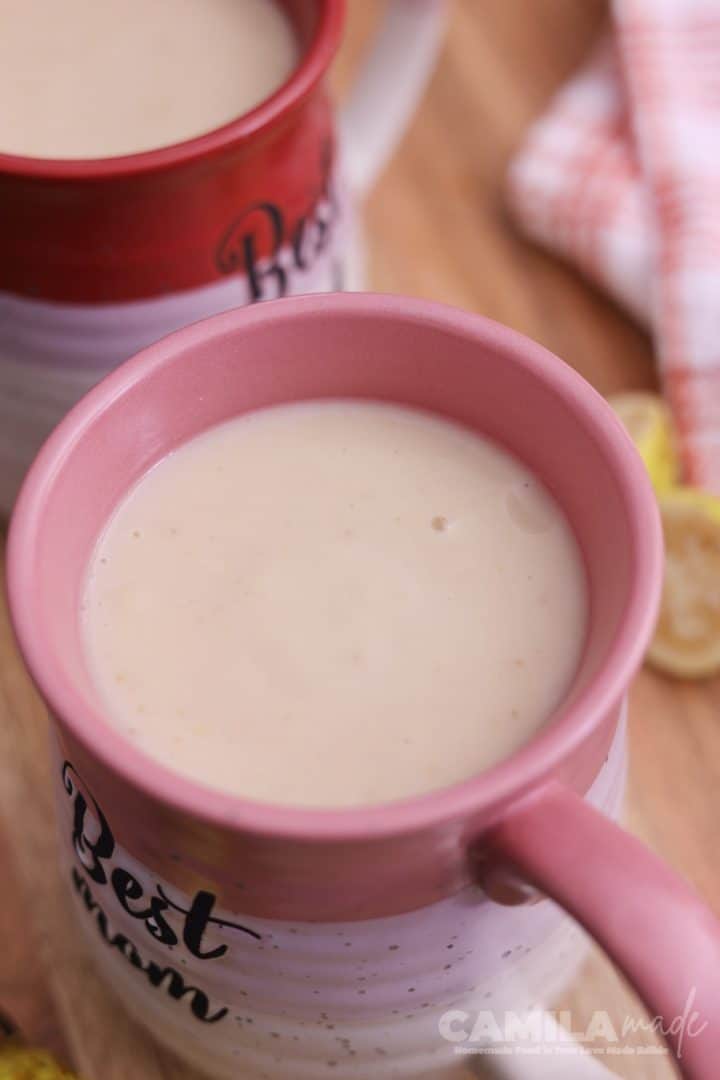
Hint: Always add the baking soda before the milk-this step neutralizes the guava's acidity and prevents the milk from curdling. Skipping it can ruin the texture of your atole.
Storage, Make Ahead, & Freezing
Storage: Let the atole cool completely, then store it in an airtight container in the refrigerator for up to 3 days. Warm gently over low heat, stirring constantly. Add a splash of milk or water if it thickens too much.
Make Ahead: You can prepare the guava base (without milk or cornstarch) up to 2 days in advance. When ready to serve, add the milk and cornstarch, then heat until thickened.
Freezing: Atole doesn't freeze well due to its milk and cornstarch base-it tends to separate when thawed. It's best enjoyed freshly made.
Camila's Tips & Variations
- Prevent curdling: Always add the baking soda before the milk to balance the guava's acidity. This is the key to a smooth, creamy atole.
- Adjust sweetness: Taste before serving-add more piloncillo or light brown sugar if you like it sweeter.
- Creamier texture: Replace part of the milk with evaporated milk for extra richness and body.
- Traditional twist: Use about 225 g of fresh corn masa (the kind used for tortillas) instead of cornstarch for a more authentic, rustic flavor.
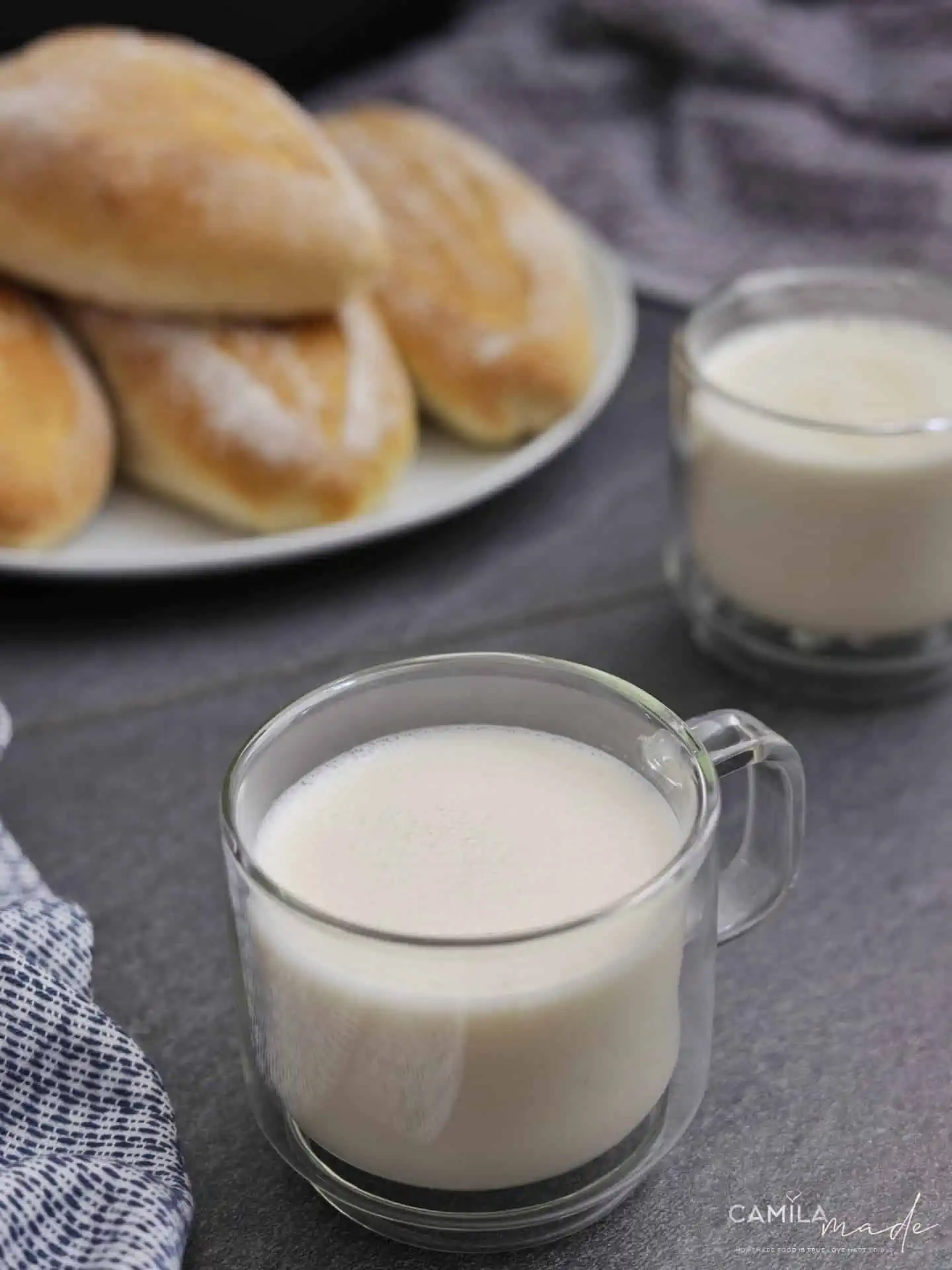
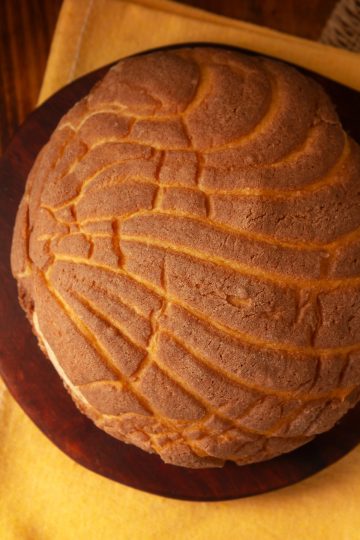
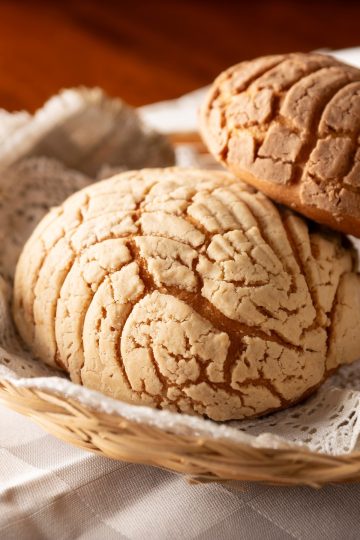
- Serving idea: Serve hot with tamales, pan de muerto, conchas, or churros for the perfect cold-weather pairing.
Frequently Asked Questions
Can I use frozen guavas?
Yes! Just thaw them before cooking. Frozen guavas work well and still give a rich, fruity flavor.
Why did my atole curdle?
This usually happens if you skip the baking soda step or add the milk too quickly. Always neutralize the guava's acidity before adding milk.
Can I make it dairy-free?
Absolutely. Replace whole milk with almond, oat, or coconut milk, though the texture will be slightly lighter.
Can I adjust the thickness?
Yes. For a thinner atole, use less cornstarch or add a bit more milk when reheating. For a thicker texture, simmer longer until it reaches your desired consistency.
Love this Atole de Guayaba recipe? 💕
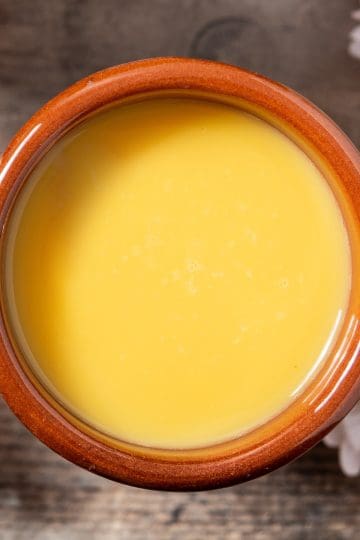
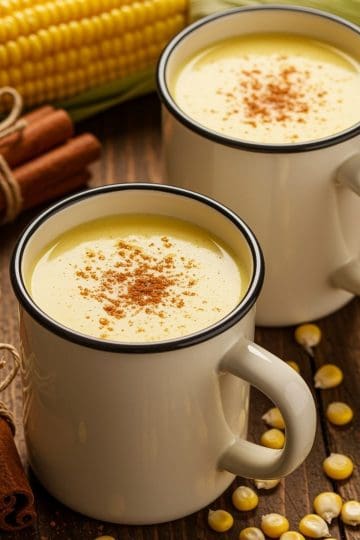
Check out my Atole de Maizena Recipe for another quick and creamy Mexican classic.
Pair with

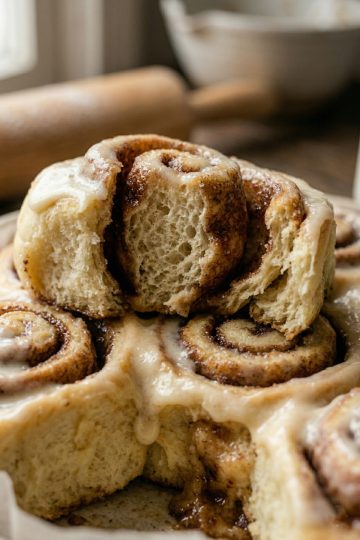
You may also like

Recipe
Atole de Guayaba
Equipment
- Medium or large pot
- Wooden spoon or silicone spatula
- Heat-resistant mug or ladle for serving
Ingredients
- 454 g (1 lb) guavas , tips removed, cut into four pieces each
- 3 cups water , divided
- 1 small cinnamon stick
- 150-200 g piloncillo (adjust to taste)
- 4½ tablespoons cornstarch
- ¼ teaspoon baking soda
- 1½ liters (6 cups) whole milk
- 1 teaspoon vanilla extract
Instructions
- In a pot over medium heat, add 2 cups of water, 1 cinnamon stick, and piloncillo to taste. Stir occasionally until the piloncillo dissolves completely and the cinnamon releases its aroma.
- Add the quartered guavas and bring to a gentle boil. Lower the heat, cover, and let the guavas cook until very soft, about 15 minutes.
- Turn off the heat and let the mixture cool slightly. While it cools, dissolve the cornstarch in 1 cup of water until completely smooth, then set aside.
- Once the guavas have cooled, remove the cinnamon stick and transfer the guavas, along with all their liquid, to a blender. Blend until smooth, then strain the mixture back into the same pot to remove any solids.
- Return the pot to medium heat and add ¼ teaspoon of baking soda. Stir continuously as small bubbles form, and keep stirring until the bubbles disappear - this step neutralizes the guava's acidity so the milk doesn't curdle.
- After a couple of minutes, pour in 5 cups of room-temperature whole milk, stirring constantly. Stay nearby, as the milk can foam and rise when it starts to boil.
- When the mixture reaches a gentle boil, slowly add the dissolved cornstarch, stirring constantly to prevent lumps.
- Continue cooking and stirring for about 15 minutes, until the atole thickens and becomes smooth and creamy. Remove from heat, stir in the vanilla extract, and serve immediately.
Notes
Nutrition
Nutrition Disclaimer: The nutritional information provided is an estimate, calculated using standard data sources. Actual values may vary based on ingredient brands, preparation methods, and portion sizes. This information is for general reference only and should not be considered a substitute for professional dietary advice.