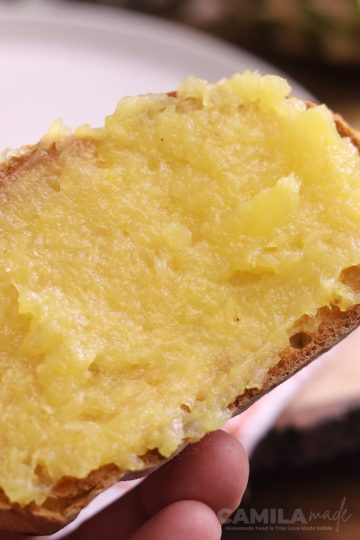
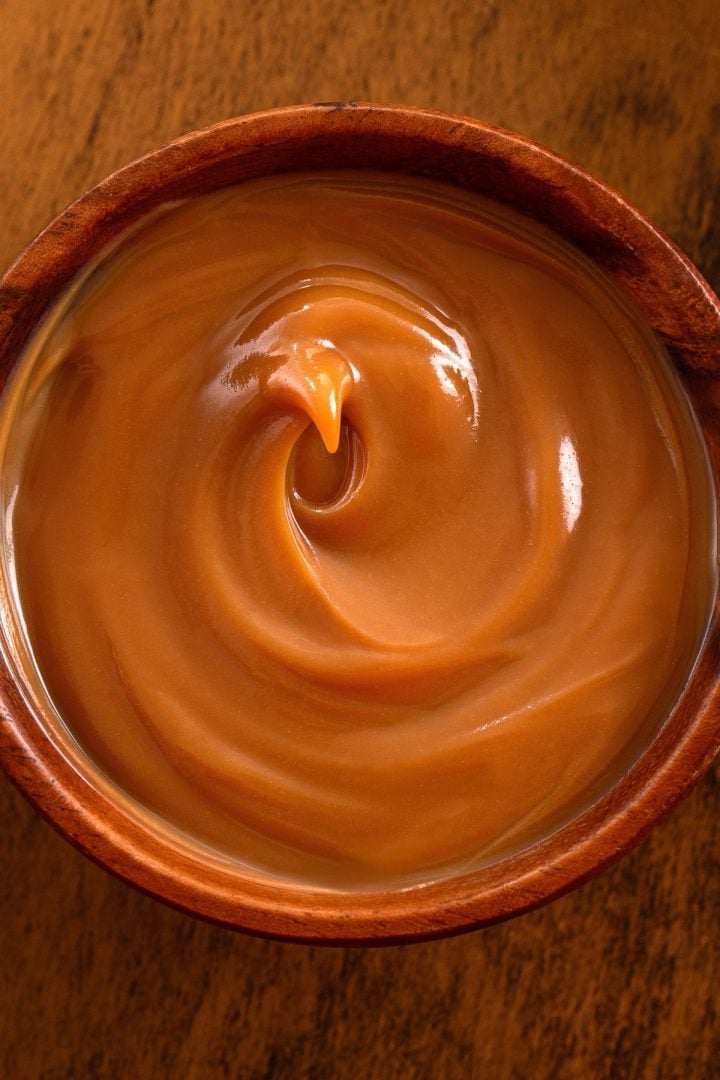
Dulce de leche is a Latin American caramel spread made by slowly cooking milk and sugar until thick and golden.
Jump to
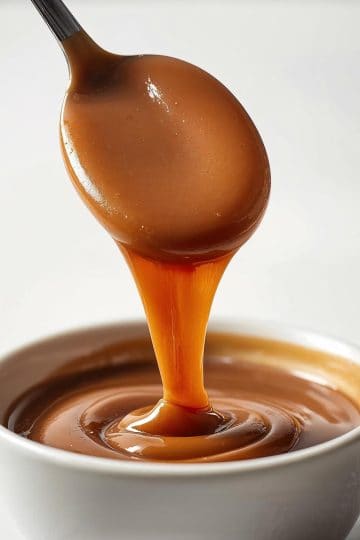
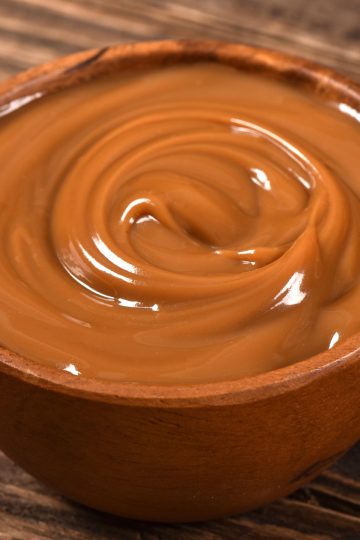
This homemade dulce de leche uses milk, sugar, baking soda, and vanilla to create a smooth caramel for drizzling over ice cream or stirring into coffee.
For a thicker dulce de leche spread for cakes or cookies, continue cooking until it reduces to about 2 cups. You can also replace cow's milk with goat milk to make cajeta.
Ingredients You'll Need
Note: Full ingredients and amounts are listed in the recipe card below.
- Whole milk: Acts as the base for caramelization; substitute with goat milk to make cajeta.
- Granulated Sugar: Sweetens and thickens through caramelization.
- Baking soda: Prevents curdling and improves color while cooking.
How to Make Dulce de Leche
Note: Full instructions are provided in the recipe card below.
- In a large Dutch oven or heavy-bottomed pot, combine the milk, sugar, and salt. Heat over medium-high, stirring occasionally, until the mixture comes to a boil. Remove from the heat and carefully stir in the baking soda mixture; the milk will foam. Once the foam settles, return the pot to the heat and bring it back to a boil.
- Reduce the heat to medium-low and simmer rapidly, adjusting the heat as necessary to maintain a rapid simmer and stirring occasionally to prevent scorching, until the mixture is pale golden brown, 45 minutes to 1 hour. Continue to cook, stirring frequently until the mixture becomes a deep caramel color and thickly coats the back of a spoon, about 30 minutes more.
- Stir in vanilla extract, if using. Store the cajeta in an airtight container in the refrigerator for up to 2 months.
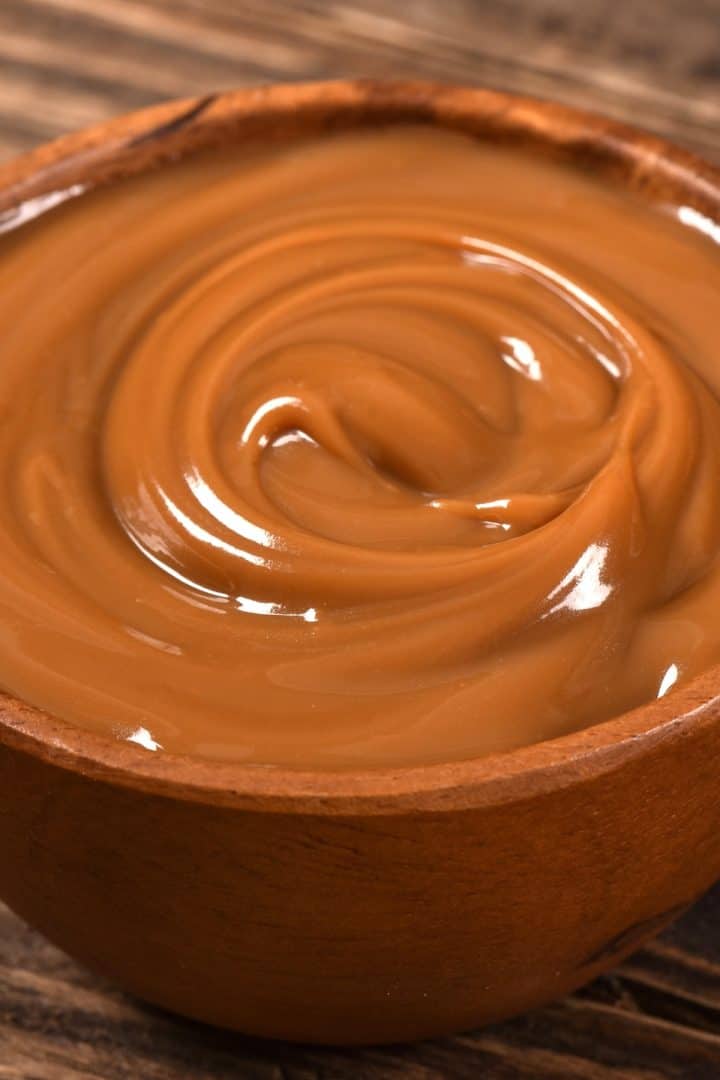
Hint: If the dulce de leche curdles slightly near the end of cooking, blend it with an immersion blender or stir vigorously with a wooden spatula to restore a smooth texture.
Storage, Make Ahead, & Freezing
Storage: Store in an airtight container in the refrigerator for up to 2 months.
Make Ahead: This dulce de leche can be made a day ahead and stored in the refrigerator until ready to use.
Freezing: Not recommended.
Camila's Tips & Variations
- Too thin: Keep cooking and stirring until it reduces more.
- Too thick: Stir in a little warm milk to loosen it.
- Curdled texture: Blend with an immersion blender or stir vigorously with a wooden spoon until smooth; be careful, as the caramel is very hot.
- Burning risk: Lower the heat and stir more often.
- Cajeta version: Swap cow's milk for goat milk.
Frequently Asked Questions
Why did my dulce de leche curdle?
High heat and long cooking can cause milk proteins to separate, so blend it until smooth or lower the heat.
How do I fix dulce de leche that is too thick?
Stir in a small amount of warm milk until it loosens.
What happens if I stop cooking too early?
The caramel will stay thin, so continue cooking until it thickens.
You may also like
Recipe
Dulce de Leche
Equipment
- Large Dutch oven or heavy-bottomed pot
- Small bowl (for baking soda mixture)
- Heat-resistant jar or container for storage
Ingredients
- 8 cups whole milk
- 400 g granulated sugar
- 2 teaspoons vanilla extract
- ¼ teaspoon kosher salt
- ¾ teaspoon baking soda , dissolved in 1 tablespoon water
Instructions
- In a large Dutch oven or heavy-bottomed pot, combine the milk, sugar, and salt. Heat over medium-high, stirring occasionally, until the mixture comes to a boil.
- Remove from the heat and carefully stir in the baking soda mixture; the milk will foam. Once the foam settles, return the pot to the heat and bring it back to a boil.
- Reduce the heat to medium-low and simmer rapidly, adjusting the heat as necessary to maintain a rapid simmer and stirring occasionally to prevent scorching, until the mixture is pale golden brown, 45 minutes to 1 hour.
- Continue to cook, stirring frequently until the mixture becomes a deep caramel color and thickly coats the back of a spoon, about 30 minutes more.
- Stir in vanilla extract, if using. Store the cajeta in an airtight container in the refrigerator for up to 2 months.
Notes
Nutrition
Nutrition Disclaimer: The nutritional information provided is an estimate, calculated using standard data sources. Actual values may vary based on ingredient brands, preparation methods, and portion sizes. This information is for general reference only and should not be considered a substitute for professional dietary advice.