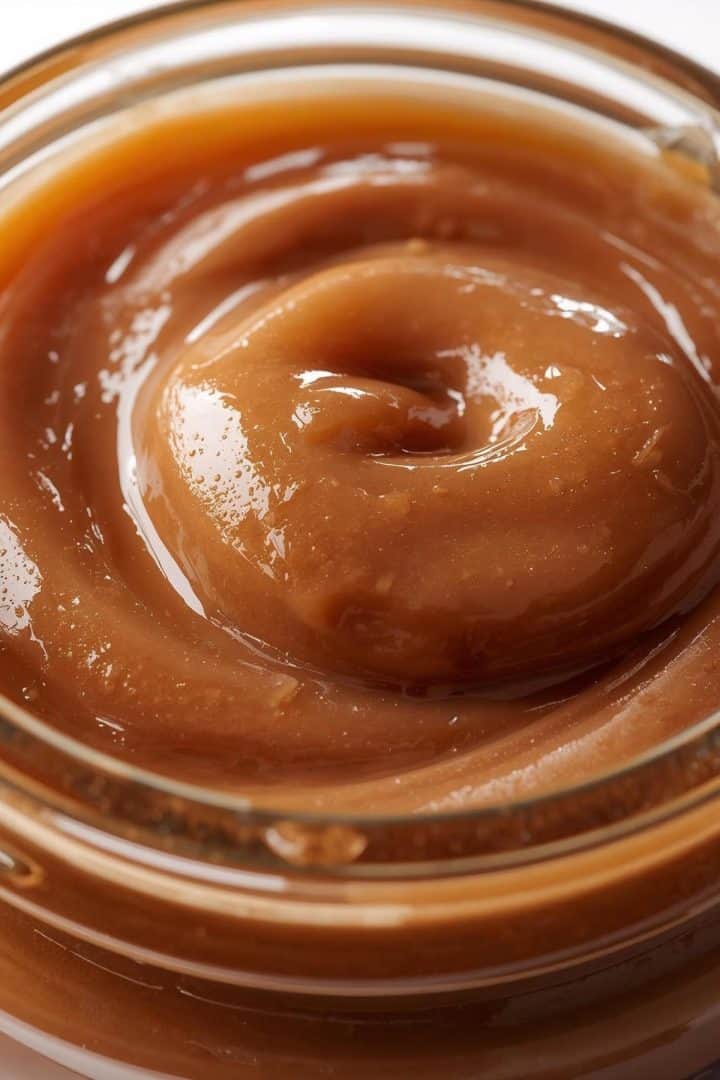
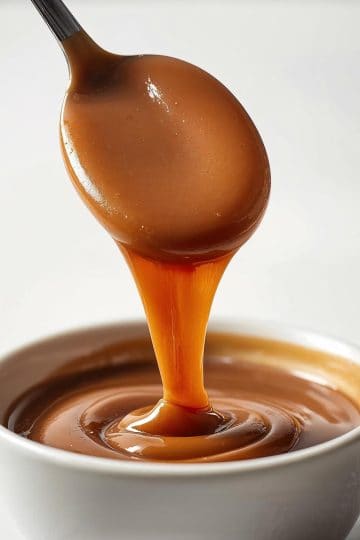
Dulce de leche from condensed milk is a caramel made by heating sweetened condensed milk until thick and golden brown.
Jump to
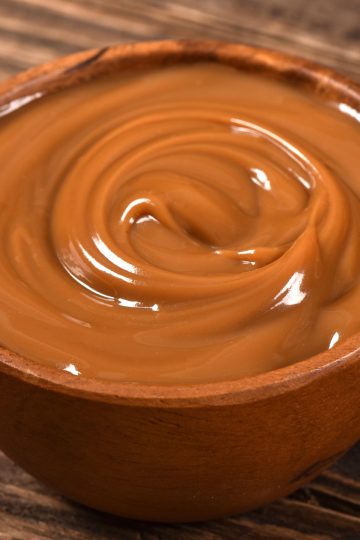
This Dulce de leche from condensed milk recipe cooks condensed milk with sugar and butter to create a smooth, spreadable dulce de leche for cakes, cookies, and desserts.
Ingredients You'll Need
Note: Full ingredients and amounts are listed in the recipe card below.
- Sweetened condensed milk: Provides milk solids and sugar, allowing caramel to form naturally.
- Granulated sugar: Boosts caramelization and deepens color.
- Unsalted butter: Adds richness and prevents scorching.
How to Make Dulce de Leche from Condensed Milk
Note: Full instructions are provided in the recipe card below.
- Place the sugar in a large heavy pan and heat over high heat just to warm the pan, then lower to medium. Stir occasionally until the sugar melts and turns into caramel.
- Remove the pan from the heat and add the butter. Stir until the butter is fully melted, then return the pan to the heat.
- Add the condensed milk little by little, stirring well each time until fully mixed. Continue adding and stirring until the entire can is incorporated.
- Keep the heat on medium-low and stir until the mixture reaches your desired consistency. For a soft, spoonable dulce de leche, turn off the heat as soon as it starts to boil. For a thicker texture, keep stirring until it thickens more. For a firm texture for rolling, cook until it pulls away from the bottom of the pan.
- Remove from the heat. Place the pan inside a larger pan with cold water and stir gently until cooled. Serve warm or cold.
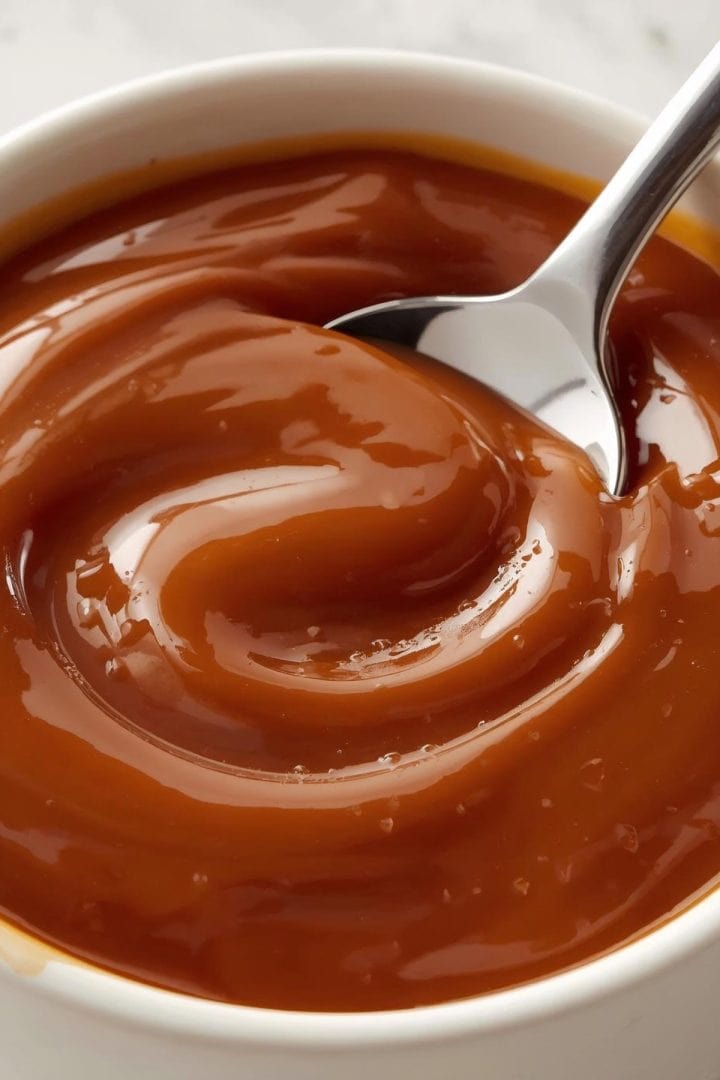
Hint: Turn off the heat as soon as it begins to boil to keep the dulce de leche soft and creamy.
Storage, Make Ahead, & Freezing
Storage: Store in an airtight container in the refrigerator for up to 2 weeks.
Make Ahead: Make one day ahead and refrigerate until ready to use.
Freezing: Not recommended.
Camila's Tips & Variations
- Soft and creamy texture: Turn off the heat as soon as it starts to boil.
- Thicker, spreadable texture: Let it cook a little longer.
- Firm, rollable texture: Keep cooking until the mixture releases from the bottom of the pan.
- Cool faster: Place the pan inside a larger pan with cold water and stir gently.
- How to serve: Eat plain, serve with cheese, or use as a filling for cakes and desserts.

Frequently Asked Questions
Why is my dulce de leche too thin?
It was removed too early, so return it to low heat and cook longer while stirring until it thickens.
How do I thicken dulce de leche?
Continue cooking and stirring so more moisture evaporates and the caramel concentrates.
What happens if I overcook dulce de leche?
It becomes too firm, so stir in a small amount of warm milk to soften it.
You may also like
Recipe
Dulce de Leche from Condensed Milk
Equipment
- Heavy-bottom saucepan
- Wooden spoon or silicone spatula
- Heatproof bowl or pan (for water bath cooling)
Ingredients
- 396 g (1 can) sweetened condensed milk
- 90 g granulated sugar
- 2 tablespoons tablespoons unsalted butter
Instructions
- Place the sugar in a large heavy pan and heat over high heat just to warm the pan, then lower to medium. Stir occasionally until the sugar melts and turns into caramel.
- Remove the pan from the heat and add the butter. Stir until the butter is fully melted, then return the pan to the heat.
- Add the condensed milk little by little, stirring well each time until fully mixed. Continue adding and stirring until the entire can is incorporated.
- Keep the heat on medium-low and stir until the mixture reaches your desired consistency.
- For a soft, spoonable dulce de leche, turn off the heat as soon as it starts to boil. For a thicker texture, keep stirring until it thickens more.
- For a firm texture for rolling, cook until it pulls away from the bottom of the pan.
- Remove from the heat. Place the pan inside a larger pan with cold water and stir gently until cooled. Serve warm or cold.
Notes
Nutrition
Nutrition Disclaimer: The nutritional information provided is an estimate, calculated using standard data sources. Actual values may vary based on ingredient brands, preparation methods, and portion sizes. This information is for general reference only and should not be considered a substitute for professional dietary advice.