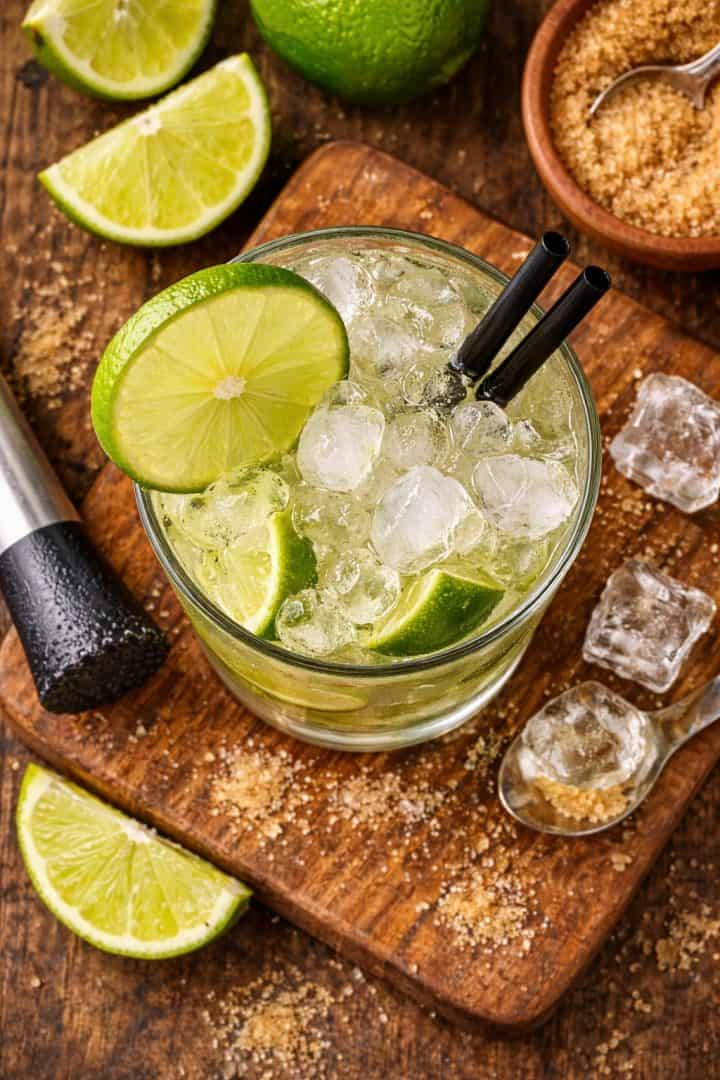
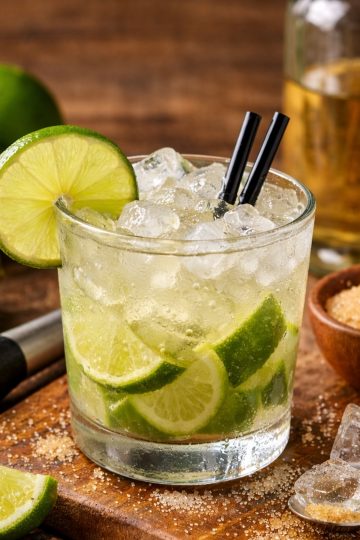
Caipirinha is Brazil's national cocktail made with cachaça, fresh lime, sugar, and ice.
Jump to
It's known for its bold citrus flavor with slightly grassy notes from the sugarcane spirit, often compared to a daiquiri but distinct because of the unique taste of cachaça.
This Caipirinha recipe follows the classic method of muddling lime with sugar, then adding cachaça and ice to create a strong yet refreshing cocktail.
It's a simple, authentic drink that highlights fresh ingredients and captures the spirit of Brazilian cocktail culture.
Ingredients You'll Need
Note: Full ingredients and amounts are listed in the recipe card below.
- Cachaça: The traditional Brazilian sugarcane spirit that gives caipirinhas their distinctive grassy, slightly fruity flavor. Use a good-quality cachaça like Cachaça 51.
- Demerara sugar or granulated sugar: Adds sweetness and helps release the lime juice when muddled. Demerara gives a deeper flavor, while granulated sugar keeps it clean and classic.
- Limes: Fresh limes provide bright acidity and citrus flavor. Cutting them into wedges allows the juice and oils to release easily when muddled.
- Ice: Chills the drink and slightly dilutes it for a balanced, refreshing finish.
How to Make Caipirinha
Note: Full instructions are provided in the recipe card below.
- Cut 3 limes into 8 wedges each.
- Add the lime wedges to a sturdy glass. Add 2-3 tablespoons sugar (adjust to taste).
- Muddle gently 8-10 seconds, just until the limes release their juice. Do not crush the peel too much to avoid bitterness.
- Fill the glass with ice.
- Pour in 1½ oz (50 ml) cachaça.
- Stir well until the sugar is mostly dissolved and the drink is very cold. Serve immediately.

Camila's Tips & Variations
- Avoid bitterness: Muddle the limes gently, pressing just enough to release the juice without crushing the peel.
- Use fresh limes: Fresh limes provide brighter flavor and better aroma than bottled juice.
- Balance sweetness early: Taste after muddling the sugar and limes, then adjust before adding ice.
- Choose good cachaça: A good cachaça like Cachaça 51 creates a smoother, more balanced cocktail.
- Fruit variations: Add muddled strawberries, passion fruit, or pineapple for a classic caipirinha de frutas.
- Swap cachaça for vodka to make Caipiroska.
Frequently Asked Questions
Why does my caipirinha taste bitter?
This usually happens when the lime peel is over-muddled. Press gently to release the juice without crushing the peel.
Can I use regular rum instead of cachaça?
No. Rum is distilled from molasses, while cachaça is made from fresh sugarcane juice, giving a very different flavor.
What type of sugar is best for caipirinha?
Demerara sugar is traditional and adds depth, but granulated sugar also works well if fully dissolved.
Is caipirinha the same as a mojito?
No. Caipirinhas use cachaça and lime without mint or soda, giving them a stronger, more direct citrus flavor.
Why isn't my sugar dissolving?
Granulated sugar needs enough muddling and stirring. Muddle thoroughly before adding ice to help it dissolve evenly.
❤️ Love this Caipirinha recipe?
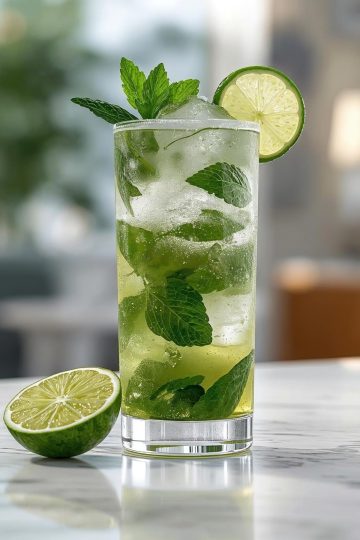
Make sure to check out our Mojito Cubano, a refreshing Cuban cocktail made with fresh lime, mint, sugar, and rum.
New Recipes

You may also like

Recipe
Caipirinha
Equipment
Ingredients
- 1- ½ oz (50 ml) of Cachaça, such as Cachaça 51
- 2 to 3 tablespoons demerara sugar or granulated sugar , adjust to taste
- 3 limes (cut into 8 wedges)
- ice , to taste
Instructions
- Cut 3 limes into 8 wedges each.
- Add the lime wedges to a sturdy glass. Add 2-3 tablespoons sugar (adjust to taste).
- Muddle gently 8-10 seconds, just until the limes release their juice. Do not crush the peel too much to avoid bitterness.
- Fill the glass with ice.
- Pour in 1½ oz (50 ml) cachaça.
- Stir well until the sugar is mostly dissolved and the drink is very cold. Serve immediately.
Nutrition
Nutrition Disclaimer: The nutritional information provided is an estimate, calculated using standard data sources. Actual values may vary based on ingredient brands, preparation methods, and portion sizes. This information is for general reference only and should not be considered a substitute for professional dietary advice.