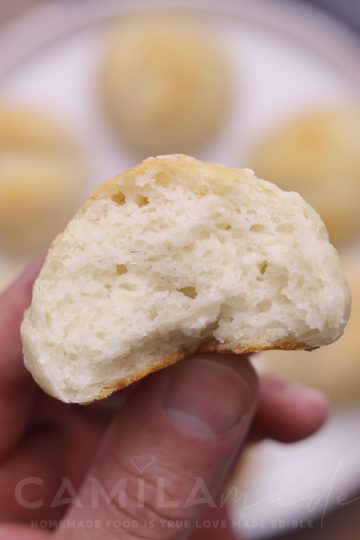
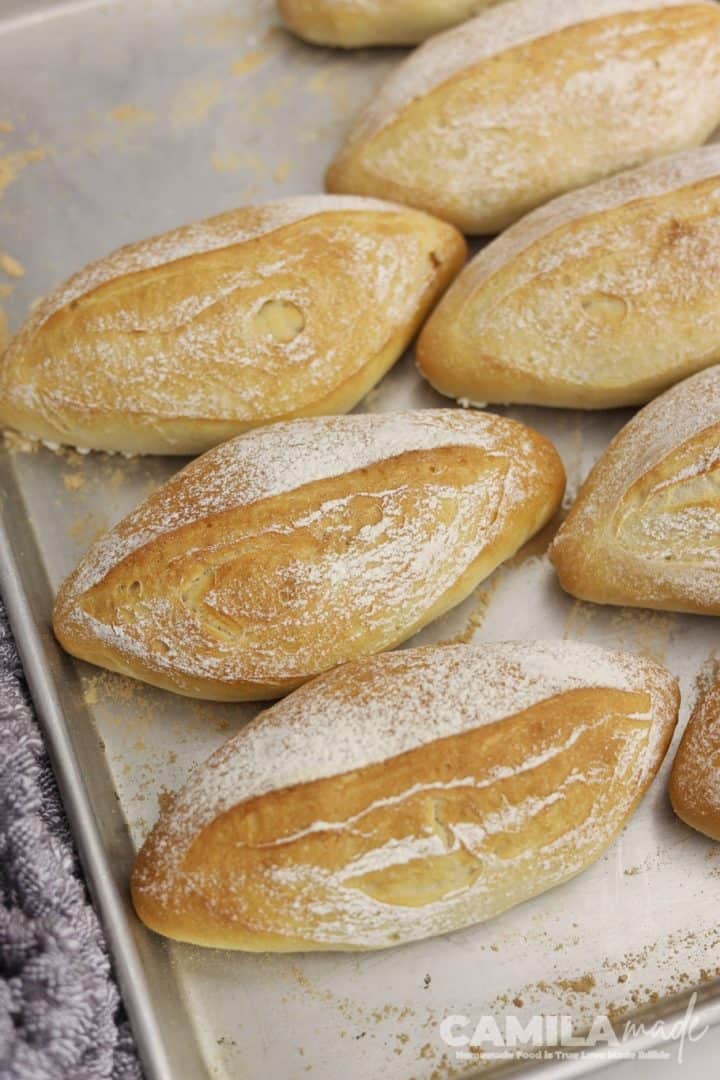
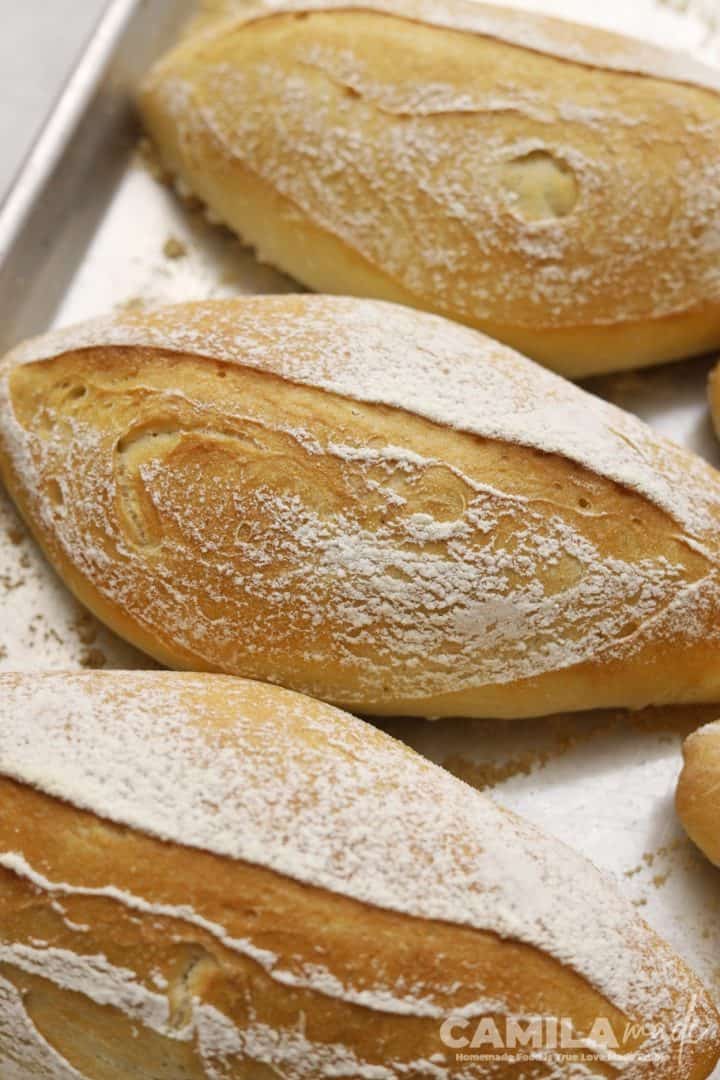
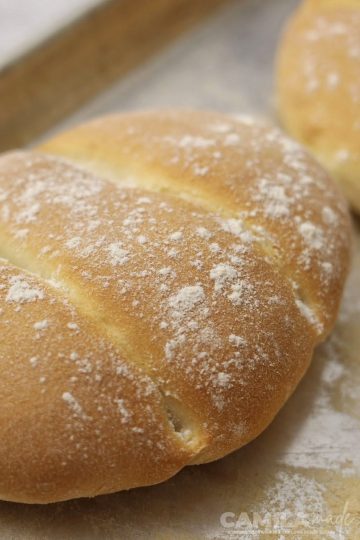
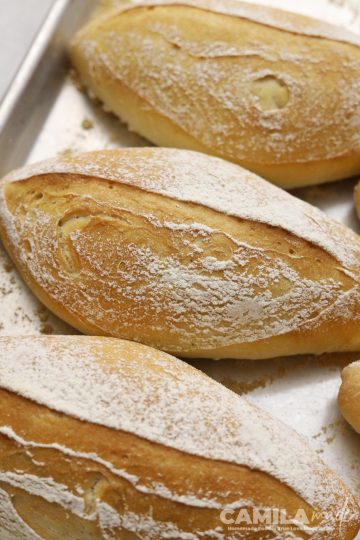
Pan Francés, also known as bolillo in Mexico, is a small, crusty bread roll with a soft, airy interior and a thin, golden crust.
Jump to
It's inspired by the classic French baguette but adapted to Latin American tastes and baking methods.🥖
This Pan Francés recipe is very simple to make at home-using just flour, yeast, salt, water, and a touch of lard.
With a few easy tricks, you can create bakery-style rolls that are crisp on the outside and tender inside, perfect for Pan con Pollo, Pan con Pavo, or your favorite sandwich.
Ingredients You'll Need
Note: See the recipe card for quantities.
- All-purpose flour: The base of the dough, providing structure and a light, airy crumb.
- Instant dry yeast: Helps the bread rise and develop its signature fluffy interior.
- Water: Hydrates the dough and activates the yeast for proper fermentation.
- Salt: Enhances flavor and strengthens the gluten structure.
- Sugar: Feeds the yeast and promotes a beautiful golden crust.
- Shortening: Adds richness and helps achieve a tender crumb with a crisp crust.It can be substituted with butter or lard.
How to Make Pan Francés
Note: Full instructions are provided in the recipe card below.
- Prepare the sponge: In the stand mixer bowl, combine 30 g flour, 4 g instant dry yeast, and 30 g room-temperature water. Mix with a spoon until combined. Cover with a damp cloth and let it rest for 30-60 minutes, until it is slightly risen and bubbly.
- Make the dough: Add 300g flour, 8g salt, and 4g sugar to the sponge. Add 160 mL of cold water, reserving the remaining 10 mL. Mix briefly. If the dough feels too stiff, add the remaining water.
- Knead: Fit the mixer with the dough hook. Mix on low speed for 5 minutes, then increase the speed to medium and knead for an additional 5 minutes. The dough should begin to form a smooth ball.
- Add fat: Add 14 g shortening. Mix on low speed until incorporated, then on medium speed for about 10 more minutes, until the dough is smooth, elastic, and pulls away from the bowl (windowpane stage).
- First rest: Shape the dough into a ball, cover, and let it rest for 15-30 minutes. It should relax but not double in size. (French bread uses a short first fermentation and a longer second one.)
- Divide and pre-shape: Weigh the dough (about 540 g) and divide into 6 pieces of 90 g each. Using a bench scraper, cut the dough and lightly shape each piece into a log. Cover and rest for 15 minutes.
- Final shaping: Place each piece seam-side up, gently flatten with your fingertips, and roll it up tightly from top to bottom, pressing with your fingers after each fold. Roll slightly with your palms to stretch the ends and form an even cylinder. The surface should be tight.
- Arrange and proof: Lightly grease a shallow baking sheet. Place rolls seam-side down, leaving 4 fingers of space between rows and 1 finger at the ends. Cover and proof for 60 minutes, until puffy but not doubled.
- Preheat oven: Heat the oven to 480°F (250°C)
- Prepare the steam: Five minutes before baking, place a pan with a rolled towel on the lower rack and pour boiling water over it to create steam. You can also use a simple pan of hot water.
- Score the rolls: Uncover the rolls for 5 minutes to allow the surface to dry slightly. Using a razor blade or a sharp serrated knife, make one quick slash on each roll at a 45° angle.
- Bake: Place the baking sheet in the oven immediately. Spray a little water inside the oven for extra steam. Bake for 15 minutes with steam. Then remove the towel pan (to stop the steam) and rotate the baking sheet. Bake for an additional 15 minutes, until golden brown and crisp.
- Cool: Transfer the rolls to a wire rack and let cool completely before serving.
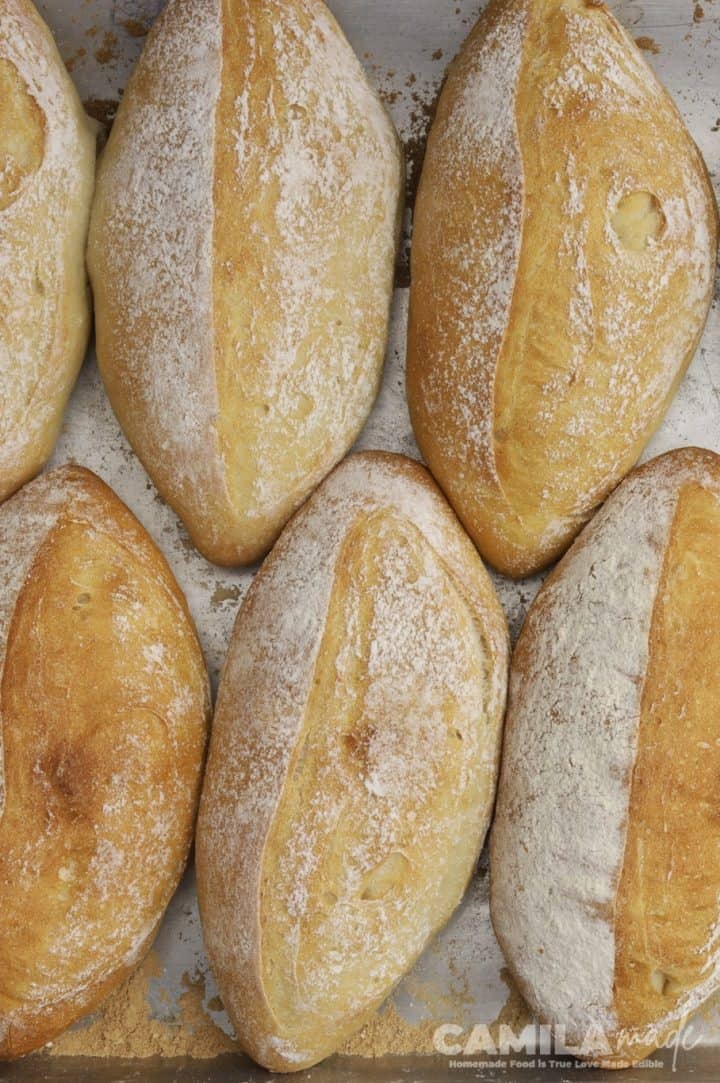
Hint: For a bakery-style crust, make sure your oven is full of steam during the first 15 minutes of baking. This keeps the surface moist so the bread can expand fully before crisping up-giving your Pan Francés that signature golden, crackly crust.
Storage, Make Ahead, & Freezing
Storage: Store Pan Francés in a paper bag or wrapped in a clean kitchen towel at room temperature for up to 2 days to keep the crust crisp and the inside soft. Avoid plastic bags, as they trap moisture and make the crust soggy.
Make Ahead: Prepare the dough, complete the first rise, then refrigerate overnight. The next day, bring it to room temperature, shape, proof, and bake as usual. This slow fermentation enhances both flavor and texture.
Freezing: Once completely cooled, place the rolls in a freezer-safe bag and freeze for up to 1 month. Reheat in a 350°F (175°C) oven for 8-10 minutes to restore their crisp crust and fresh-baked aroma.
Camila's Tips & Variations
- Don't skip the steam: Steam is the secret to achieving a thin, crackly crust. Place a pan with boiling water or a rolled wet towel in the oven 5 minutes before baking.
- Check the dough texture: The dough should be soft but not sticky. If it feels too firm, add a little more water; if too wet, dust lightly with flour.
- Practice your shaping: Rolling the dough tightly and keeping surface tension is key to that classic split top and even rise.
Frequently Asked Questions
Why isn't my Pan Francés crust crispy?
Your oven may not have had enough steam. Make sure to add a pan with boiling water or a rolled wet towel 5 minutes before baking. Steam keeps the crust thin and crisp as it bakes.
Why didn't my rolls rise properly?
This could be due to old yeast, cold dough, or short proofing time. Always check that your yeast is active and allow the dough to rise in a warm, draft-free place until slightly puffy.
Can I make Pan Francés without a stand mixer?
Yes! You can knead the dough by hand. It will take about 15-20 minutes of kneading until the dough becomes smooth, elastic, and passes the windowpane test.
❤️ Love this Pan Francés recipe?
Check out my Bolillo recipe next-it's another classic Latin bread with a soft interior and a perfectly crisp crust, ideal for tortas, sandwiches, or enjoying warm with butter!
Pair with
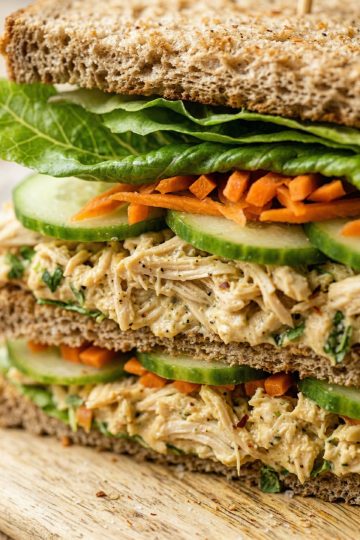
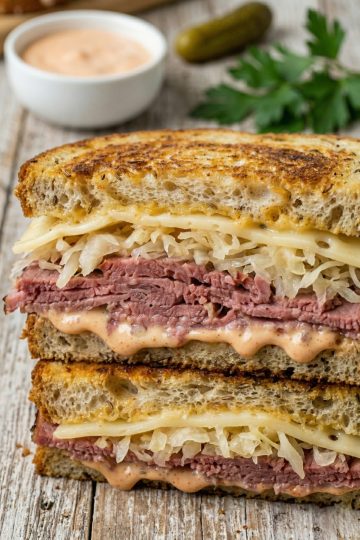
You may also like
Recipe
Pan Francés
Equipment
- Precision kitchen scale
- Stand mixer with dough hook (or clean hands for kneading)
- Bench scraper or sharp knife
- Clean kitchen towel or plastic wrap
- Shallow baking sheet
- Razor blade or sharp serrated knife (for scoring)
- Oven-safe pan or tray (for creating steam)
Ingredients
SPONGE
- 30 g all-purpose flour
- 30 ml (2 tablespoons) water
- 4 g instant dry yeast
DOUGH
- 64 g sponge
- 300 g all-purpose flour
- 160-170 ml water
- 8 g (½ tablespoon) kosher salt
- 4 g (½ tablespoon) sugar
- 14 g (1 tablespoon) shortening, softened unsalted butter, or lard
Instructions
- Prepare the sponge: In the stand mixer bowl, combine 30 g flour, 4 g instant dry yeast, and 30 g room-temperature water. Mix with a spoon until combined. Cover with a damp cloth and let it rest for 30-60 minutes, until it is slightly risen and bubbly.
- Make the dough: Add 300g flour, 8g salt, and 4g sugar to the sponge. Add 160 mL of cold water, reserving the remaining 10 mL. Mix briefly. If the dough feels too stiff, add the remaining water.
- Knead: Fit the mixer with the dough hook. Mix on low speed for 5 minutes, then increase the speed to medium and knead for an additional 5 minutes. The dough should begin to form a smooth ball.
- Add fat: Add 14 g shortening. Mix on low speed until incorporated, then on medium speed for about 10 more minutes, until the dough is smooth, elastic, and pulls away from the bowl (windowpane stage).
- Tip: If the dough doesn't reach this stage, don't overmix-it may overheat. Rest for 5 minutes, then retest. If still not stretchy, proceed with the recipe. Next time, try using less water or a different type of flour.
- First rest: Shape the dough into a ball, cover, and let it rest for 15-30 minutes. It should relax but not double in size. (French bread uses a short first fermentation and a longer second one).
- Divide and pre-shape: Weigh the dough (about 540 g) and divide into 6 pieces of 90 g each. Using a bench scraper, cut the dough and lightly shape each piece into a log. Cover and rest for 15 minutes.
- Final shaping: Place each piece seam-side up, gently flatten with your fingertips, and roll it up tightly from top to bottom, pressing with your fingers after each fold. Roll slightly with your palms to stretch the ends and form an even cylinder. The surface should be tight.
- Arrange and proof: Lightly grease a shallow baking sheet. Place rolls seam-side down, leaving 4 fingers of space between rows and 1 finger at the ends. Cover and proof for 60 minutes, until puffy but not doubled.
- Preheat oven: Heat the oven to 480°F (250°C)
- Prepare the steam: Five minutes before baking, place a pan with a rolled towel on the lower rack and pour boiling water over it to create steam. You can also use a simple pan of hot water.
- Score the rolls: Uncover the rolls for 5 minutes to allow the surface to dry slightly. Using a razor blade or a sharp serrated knife, make one quick slash on each roll at a 45° angle.
- Bake: Place the baking sheet in the oven immediately. Spray a little water inside the oven for extra steam. Bake for 15 minutes with steam. Then remove the towel pan (to stop the steam) and rotate the baking sheet.
- Bake for 15 minutes with steam. Then remove the towel pan (to stop the steam) and rotate the baking sheet. Bake for an additional 15 minutes, until golden brown and crisp.
- Cool: Transfer the rolls to a wire rack and let cool completely before serving.
Notes
Nutrition
Nutrition Disclaimer: The nutritional information provided is an estimate, calculated using standard data sources. Actual values may vary based on ingredient brands, preparation methods, and portion sizes. This information is for general reference only and should not be considered a substitute for professional dietary advice.