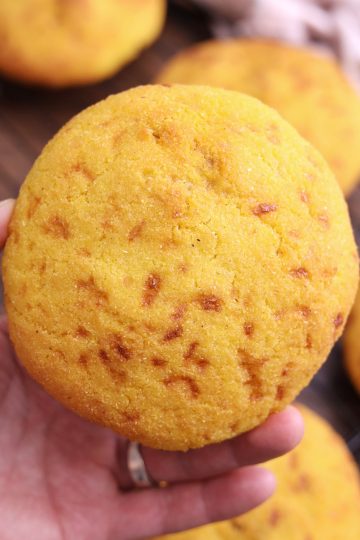
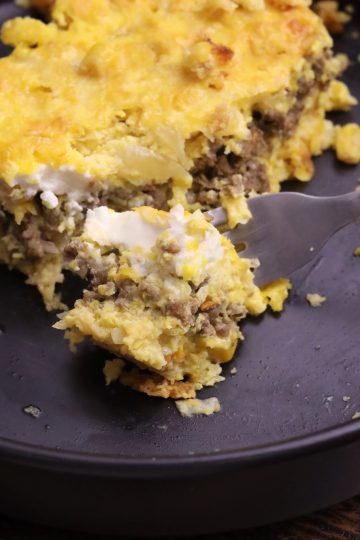
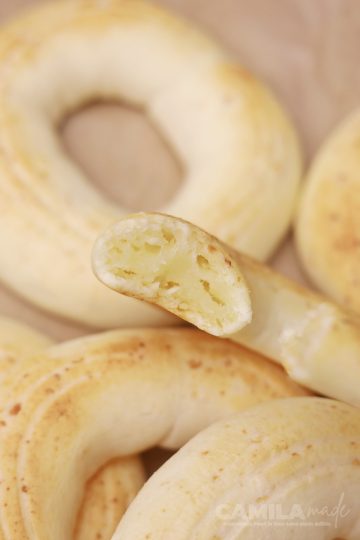
Mbejú Mestizo, also known as "mbeyú," is a beloved variation of Mbejú, a staple of Paraguayan cuisine. The dish is well-known for its simplicity and versatility, with key ingredients such as tapioca starch, cornmeal, salt, milk, or water, and Queso Paraguay, which create a crumbly dough with a unique texture and flavor.
The cheese is the show's star, giving the dish its signature tangy taste and taking it to the next level of deliciousness. Different types of cheese, such as Monterey Jack, cheddar, or Mexican shredded cheese, can be added to the dough for a flavorful twist.
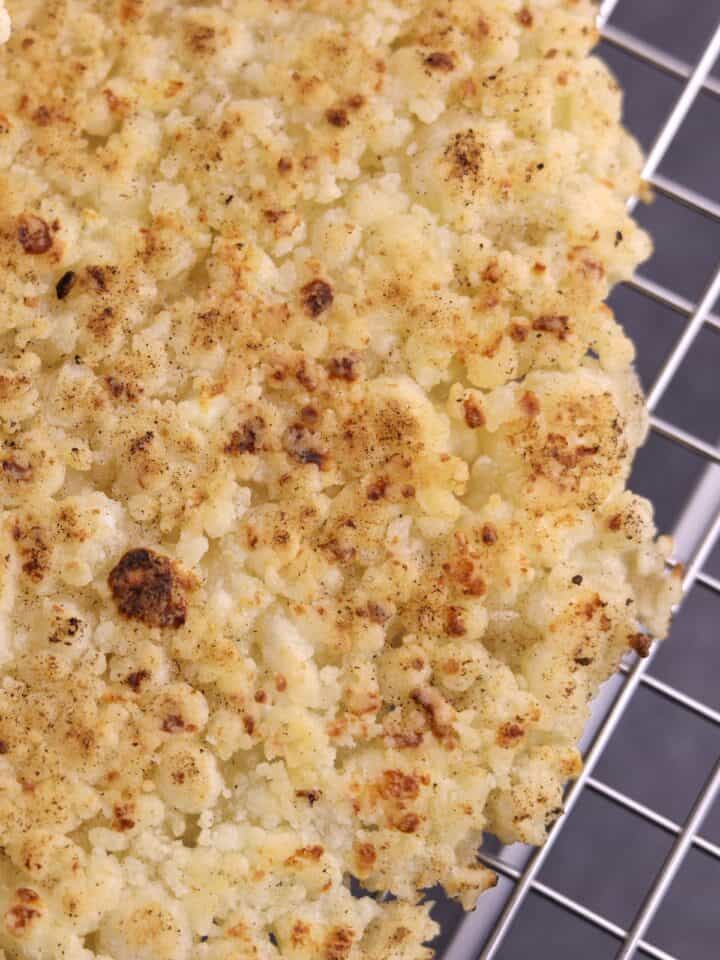
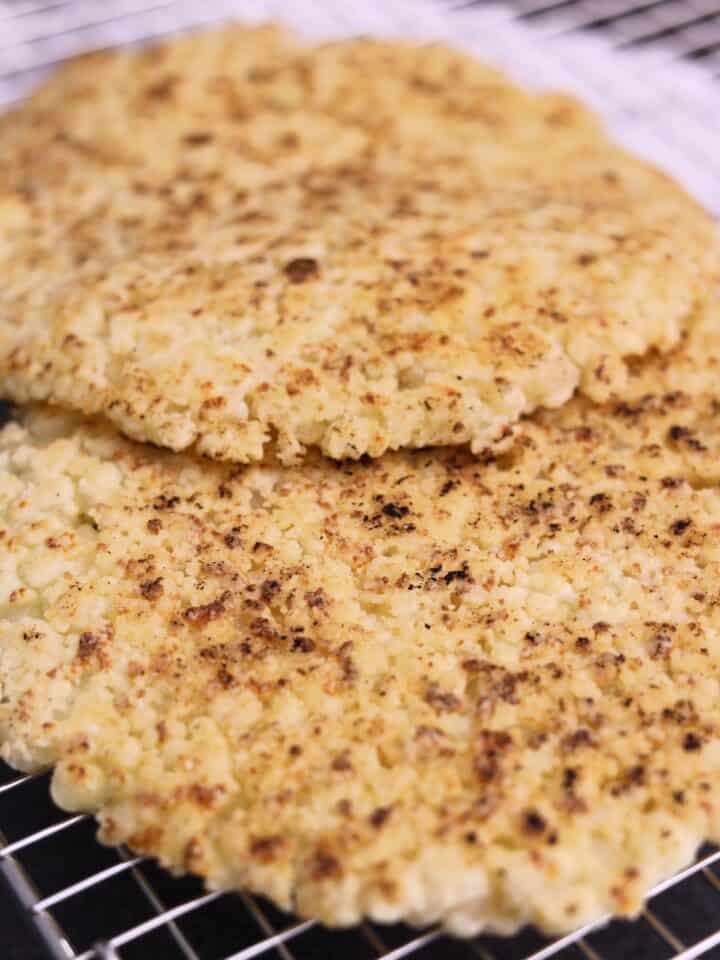
Diced ham or bacon can also enhance the texture and flavor. Once the dough is prepared, it can be cooked in a hot pan and flipped until it is set and golden brown. The outcome is a cheese-rich dish with a pancake-like appearance and a mouth-watering golden hue.
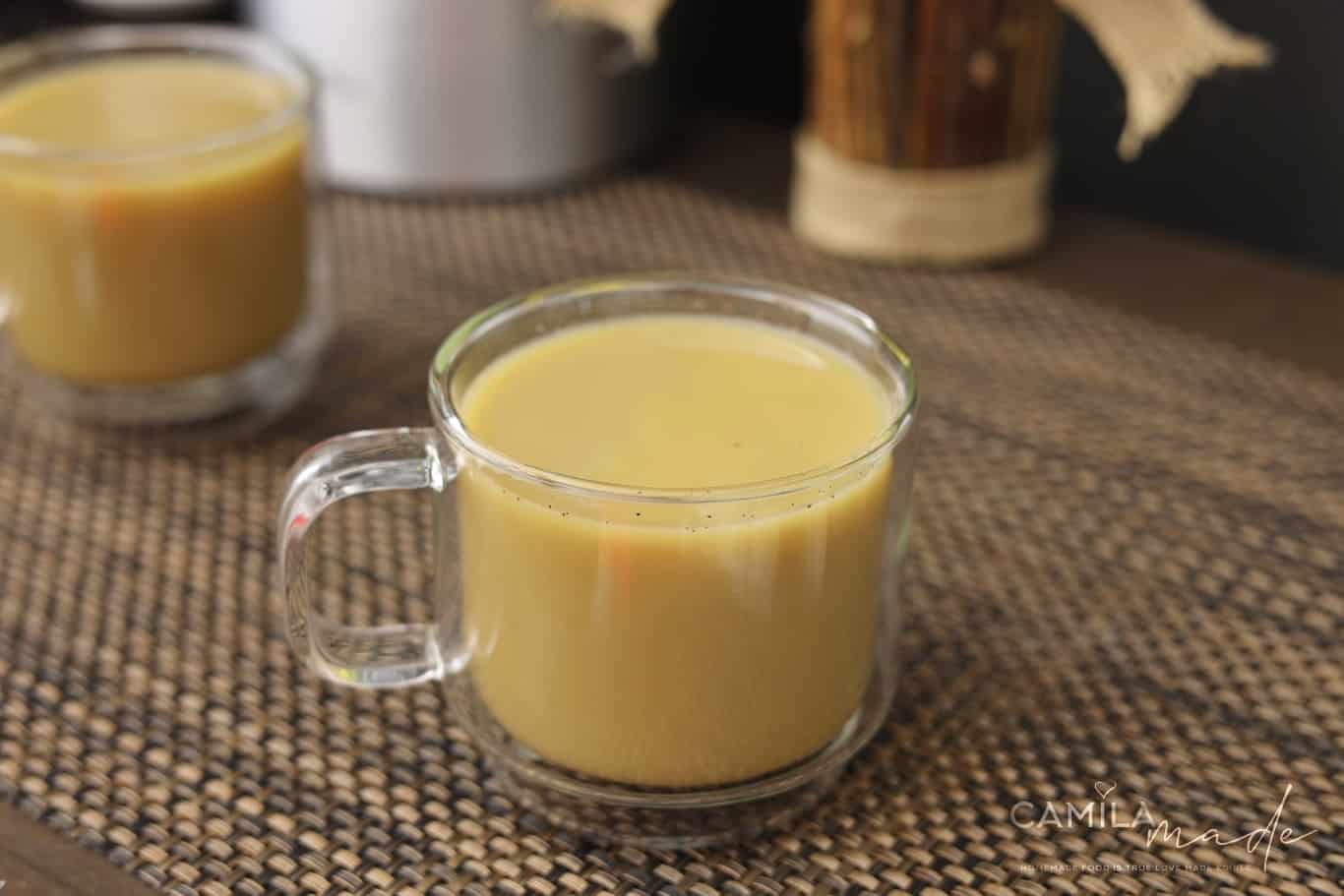
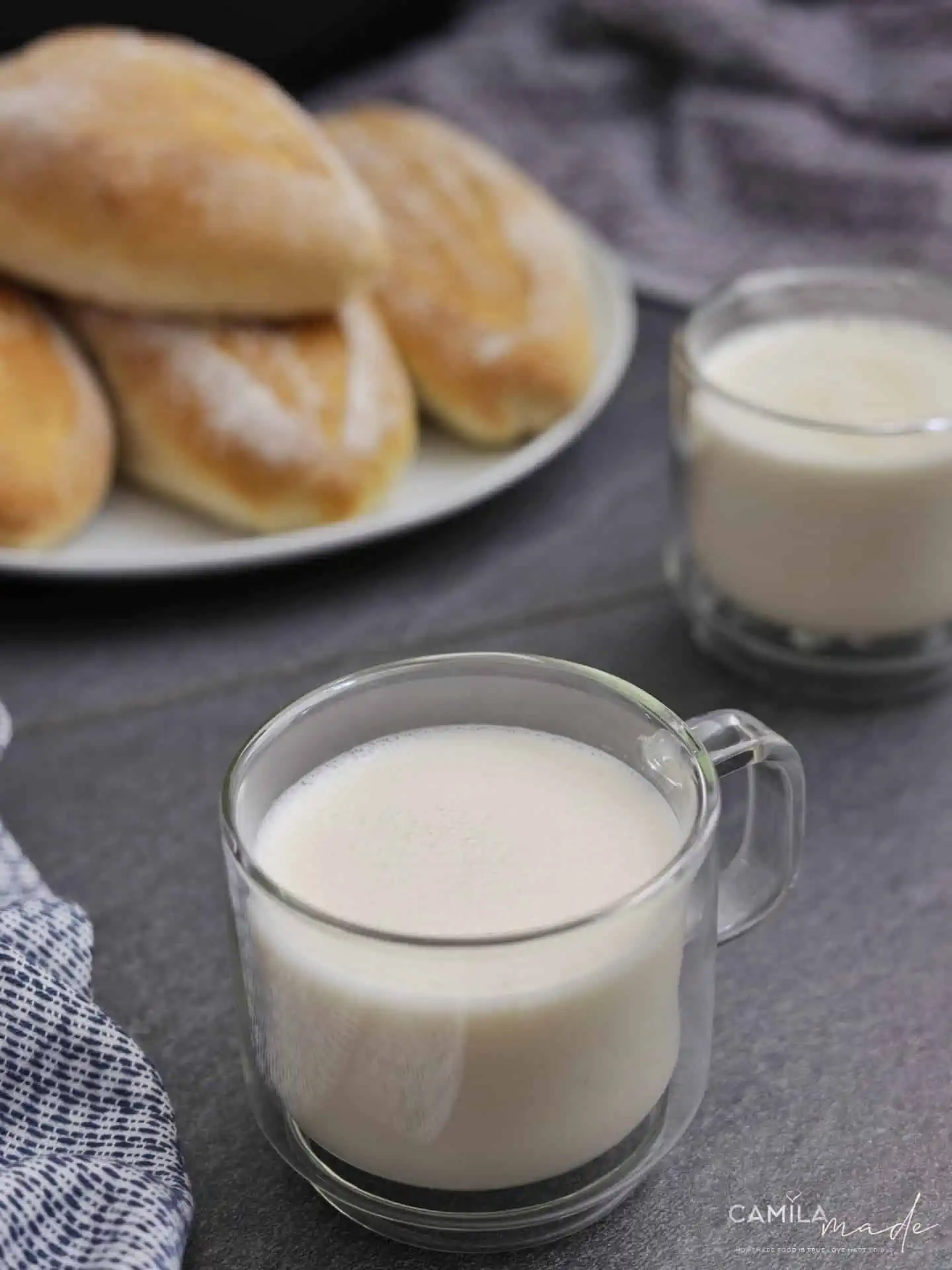
Mbejú Mestizo is a versatile dish that can be served as a side dish or main course, and it goes perfectly with traditional Paraguayan beverages like cocido or coffee. Its simplicity and delicious flavor make it a favorite among locals and visitors. This dish is a perfect example of Paraguay's unique blend of cultures, where indigenous and Spanish culinary traditions have come together to create a distinctive cuisine.
How to Make Mbejú Mestizo
Note: The full instructions are provided in the recipe card below.
In a 2 cups liquid measuring cup, combine milk and kosher salt and stir until the salt is completely dissolved; set aside. Combine the yuca starch and cornmeal in a large bowl and make a well in the center.
Add the butter and cheese to the dry ingredients. Toss once or twice to coat the butter and cheese. Then, using your fingertips, break the butter into tiny pieces and pinch and squeeze it into the dry ingredients.
Keep the mixture uniform by occasionally reaching the bottom of the bowl and mixing all the ingredients evenly. Continue rubbing the butter and cheese into the dry ingredients until incorporated and in clumps and no dry tapioca starch remains.
Gradually pour in the milk and mix continuously until the mixture resembles a coarse crumble with only a few larger pieces.
👀Note: Squeeze a fistful of dough: if it holds together like wet sand and falls apart when pressed, it's ready.
Heat 1 tablespoon of unsalted butter in a 9'' medium frying pan over medium heat; swirl the melted butter around the pan. When it starts to get golden brown, it's ready.
Evenly sprinkle about 2 cups of the crumble mixture into the pan, covering the bottom entirely. It should be neither too thick nor too thin. Then, using a spoon, flatten the edges of the mixture a bit (flatten the edges only).
Turn it over when the cheese starts melting and the bottom is crispy and golden brown, about 4 to 5 minutes; flip it over with a spatula or use a plate.
If you flip with a plate, lay out a plate that is a bit bigger than the pan you're using, gently slide its cooked side onto the plate, and carefully invert it back onto the pan so the Mbejú is now cooking on the other side. Be careful when attempting this method, and ensure you have a good, steady grip on the pan and plate.
Cook it on the other side for another 4 to 5 minutes or until crispy and golden brown. Stack the cooked Mbeju on a plate or sheet pan and cover it with a clean kitchen towel to keep it warm. Cook the remaining, adding unsalted butter and, as needed, until it's all cooked.
Mbejú Mestizo, also known as "mbeyú," is a beloved variation of Mbejú, a staple of Paraguayan cuisine. The dish is well-known for its simplicity and versatility, with key ingredients such as tapioca starch, cornmeal, salt, milk or water, and Queso Paraguay, which create a crumbly dough with a unique texture and flavor. The cheese is the star of the show, providing the dish with its signature tangy taste and taking it to the next level of deliciousness.
In a small bowl, pour the milk and add the kosher salt. Stir until salt is completely dissolved. Set aside. In a large bowl, combine yuca starch, cornmeal, and all the cheese. (Stir)
Add the melted butter and start mixing with your fingers until it has a crumble consistency. Gradually pour the milk into the dry mixture and use your hands to integrate it until it starts to look like a chunky crumble.
Heat a small or medium frying pan over medium heat, and add a little butter to the coat. (About 1 teaspoon ) Slowly add the chunky crumble mixture to the pan (make sure you cover the bottom of the pan completely) and set it to a lower heat. (About 1 cup) *The Mbeju should be neither too thick nor too thin.
Use your hand or a spoon to spread the crumble mixture evenly in the pan and flatten the edges a bit with a spoon. (flatten the edges only). When the cheese starts melting, and the bottom is crispy and golden brown, turn it over. (Around 4 to 5 minutes) You can flip it over with a spatula or use a plate to flip
If you choose to flip with a plate, lay out a plate that is a bit bigger than the pan you're using, gently slide the Mbejú cooked side onto the plate, and carefully invert the plate back onto the pan, so the Mbejú is now cooking on the other side. *Be careful when attempting this method and make sure that you have a good, steady grip on both the pan and plate at all times.
Cook it on the other side for another 4 to 5 minutes or until crispy and golden brown. Enjoy with a nice hot cup of Cocido con Leche!
Notes
How to Store & ReheatTo store: Mbejú Mestizo, allow it to cool completely at room temperature. Once it has cooled, you can store it in an airtight container or wrapped tightly in plastic wrap. It can be stored at room temperature for up to 2 days or in the refrigerator for up to 5 days.To reheat: Mbejú Mestizo, you can use a frying pan or griddle. Heat the pan or griddle over medium heat and add a small amount of butter or oil. Once the butter or oil is melted and hot, add the Mbejú Mestizo and cook for 2-3 minutes on each side or until heated through and crispy. Alternatively, you can reheat it in the microwave for 20-30 seconds or until heated. Be sure not to overheat it, as it can become tough and dry.How to Make AheadTo prepare it ahead of time, you can refrigerate the dough until you're ready to cook it. After preparing the batter, cover it tightly with plastic wrap or a lid and store it in the refrigerator. The prepared dough can be stored in the refrigerator for up to 5 days, making it a convenient option for meal planning or quick and easy breakfasts. When you're ready to cook the Mbeju mestizo, remove the batter from the refrigerator and let it come to room temperature for about 10-15 minutes. Preheat a 9'' non-stick skillet or griddle over medium heat, and cook the Mbeju according to this recipe. How to FreezeAllow it to cool completely after cooking. Wrap each Mbeju mestizo individually in plastic wrap or aluminum foil. Place the wrapped Mbeju in a freezer-safe storage container or plastic bag. Label the container with the date and contents. Place the container or bag in the freezer and freeze for up to 1 month. Remove the frozen Mbeju from the freezer and let them thaw overnight in the refrigerator. Unwrap them and let them come to room temperature for about 10-15 minutes. They can be reheated in the microwave or an oven preheated to 375 degrees Fahrenheit for 8 to 10 minutes or until heated through; arrange them in a single layer on a baking sheet and cover them with aluminum foil.Notes:Let the Mbejú Mestizo mixture rest for a few minutes to make it lighter and more manageable.
Nutrition
Nutrition Facts
Easy Mbejú Mestizo
Amount per Serving
Calories
352
% Daily Value*
Fat
19
g
29
%
Saturated Fat
11
g
69
%
Trans Fat
0.5
g
Polyunsaturated Fat
1
g
Monounsaturated Fat
5
g
Cholesterol
51
mg
17
%
Sodium
568
mg
25
%
Potassium
68
mg
2
%
Carbohydrates
42
g
14
%
Fiber
1
g
4
%
Sugar
0.5
g
1
%
Protein
6
g
12
%
Vitamin A
507
IU
10
%
Calcium
137
mg
14
%
Iron
1
mg
6
%
* Percent Daily Values are based on a 2000 calorie diet.
Nutrition Disclaimer: The nutritional information provided is an estimate, calculated using standard data sources. Actual values may vary based on ingredient brands, preparation methods, and portion sizes. This information is for general reference only and should not be considered a substitute for professional dietary advice.