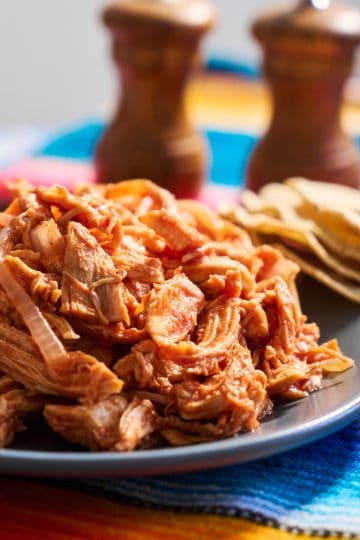
Pierna de Puerco (also known as pierna de cerdo, or pernil) is a cut of meat from the back leg of the pig, running from the hip down to the hoof.
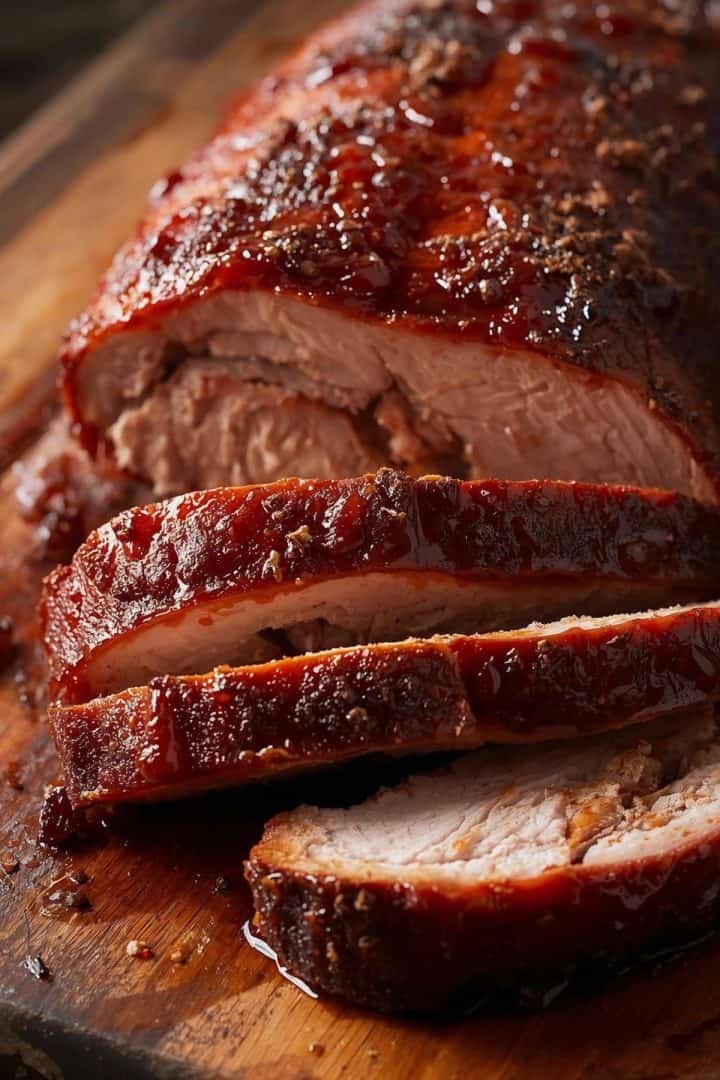
Jump to
It's a versatile cut known for its rich flavor and juiciness, and can be prepared in many ways-roasted in the oven, slow-cooked, or shredded for tacos, sandwiches, and tamales.
Inspired by traditional Mexican pierna de puerco adobada, this recipe uses ancho, guajillo, and morita chiles to create a smoky, bold, and flavorful adobo that infuses the pork leg with authentic Mexican flavor.
It's perfect for Christmas and holiday gatherings. Serve with Mexican rice and warm corn tortillas for a complete meal.
Ingredients You'll Need
Note: See the recipe card for quantities.
- Dried Ancho, guajillo, and morita chiles: Build a rich, flavorful adobo with sweetness, color, mild heat, and smokiness.
- Onion: Adds natural sweetness and balance.
- Garlic: Gives depth and fresh flavor.
- Vegetable oil: Helps release the chile flavors.
- Black peppercorns: Add gentle warmth.
- Allspice berries: Give a warm, aromatic note.
- Coriander seeds: Add a light citrus touch.
- Cumin seeds: Adds earthy warmth.
- Dried oregano: Brings herbal flavor.
- Bay leaf: Adds subtle aroma.
- Apple cider vinegar: Adds acidity to balance the adobo.It can be substituted with distilled white vinegar.
- Fresh Orange juice: Adds sweetness and brightness.
- Sea Salt: Enhances all the flavors.
How to Make Pierna de Puerco
Note: Full instructions are provided in the recipe card below.
- Clean the ancho and guajillo chiles by removing the seeds and veins. Leave the morita chiles whole.
- In a large skillet, heat oil over medium heat. Cook 5 garlic cloves until lightly golden and fragrant. Add the sliced onion and cook until softened. Remove from the heat.
- Lower the heat and add the morita chiles to the skillet to hydrate. Once they puff up, add the chopped ancho and guajillo chiles. Stir constantly so they don't burn.
- After a couple of minutes, add 1-⅓ cup water, cover the pan, and let the chiles soften over low heat for about 10 minutes. Turn off the heat and let them cool.
- In a mortar and pestle or spice grinder, grind the black peppercorns, allspice, coriander seeds, cumin, and oregano. Add the bay leaf last and grind as much as possible.
- Place the softened chiles in the blender with the ½ cup cooking liquid. Add the fried onions and garlic, the raw garlic cloves, the ground spices, vinegar, orange juice, and salt. Blend until completely smooth.
- Pierce the pork leg all over, on both sides, to help the salt and adobo absorb-season with 2 teaspoons sea salt. Tie the pork leg with butcher's twine to keep it round while baking.
- Grease a 5-quart Dutch oven with pork lard. Place the pork leg in the pot and pour all the adobo over it, coating it well on all sides. Cover and refrigerate overnight.
- The next day, remove the pork from the refrigerator at least 1 hour before baking. Preheat the oven to 350°F (180°C). Cover the dish and bake for 1 hour. After 1 hour, uncover the pork, baste it with the adobo, and return it to the oven.
- After another 30 minutes, baste it again. Remove the butcher's twine, leave it uncovered, and continue baking until it browns.
- Bake for another 30 minutes or until the surface is golden and fully cooked. Total baking time is about 1 hour per kg. The pork leg is ready when its internal temperature reaches 150°F (66°C).
- Remove from the oven and let it rest for a few minutes before slicing. Slice and serve warm.
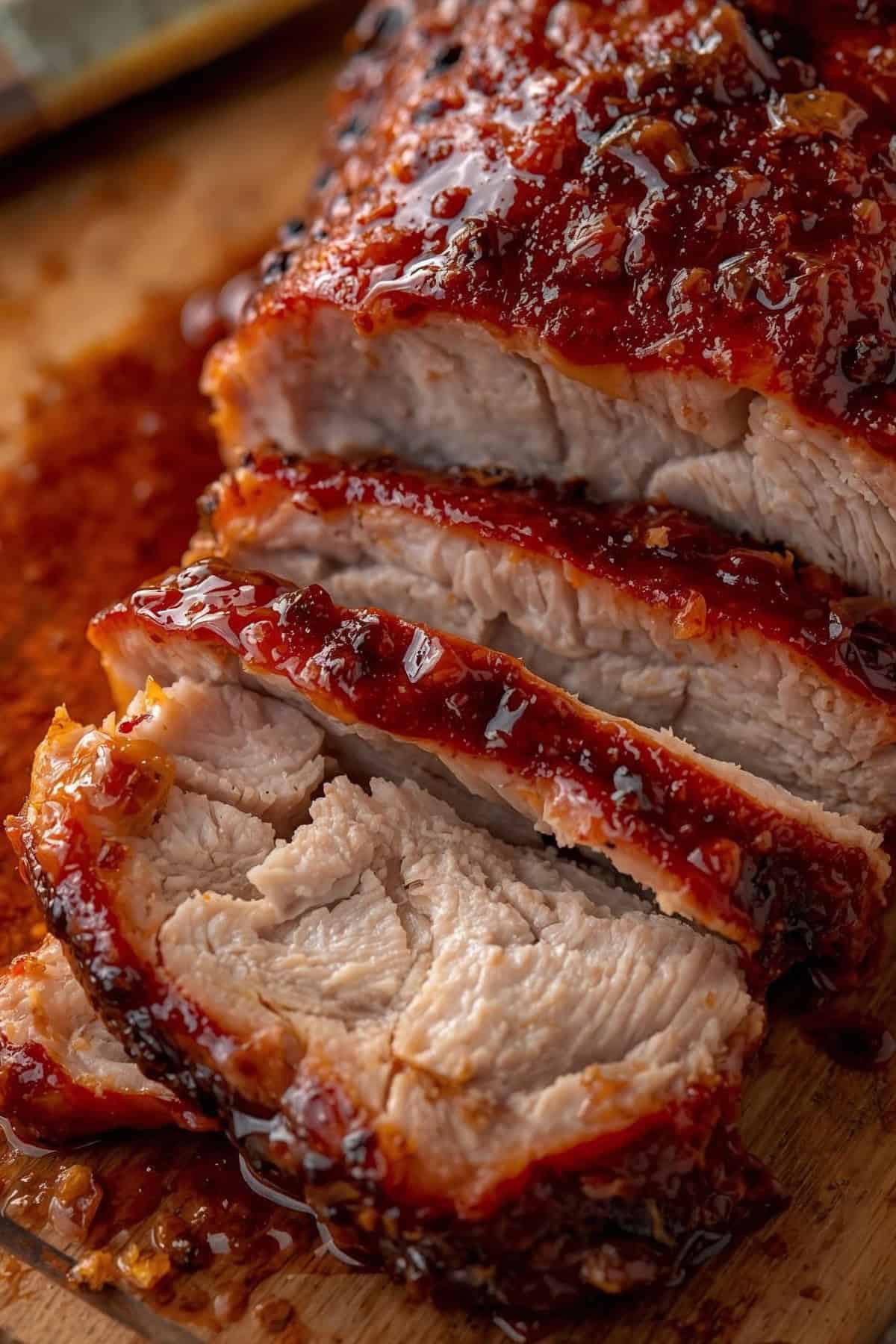
Hint: Make sure to fully soften the dried chiles before blending. Soaking and simmering them until they're completely tender is the key to getting a smooth, silky adobo that coats the pork leg evenly and gives your pierna adobada its deep, rich flavor.
Storage, Make Ahead, & Freezing
Storage: Keep leftovers in an airtight container in the refrigerator for 3 days.
Make Ahead: Season and marinate the pork a day in advance.
Freezing: Not recommended; best served fresh.
Camila's Tips & Variations
- Toast the chiles lightly to deepen the flavor before soaking.
- Marinate the pierna de cerdo overnight so the adobo penetrates fully.
- Use a mix of ancho, guajillo, and morita chiles for the best color and balanced flavor.
- If you like more heat, include a few extra morita chiles.
- For a milder version, reduce the Morita chiles and increase the ancho chiles.
Frequently Asked Questions
Is pierna adobada good for holiday celebrations?
Absolutely. It's traditionally served for Christmas and New Year's.
Do I need the exact chiles listed?
The recipe uses ancho, guajillo, and morita for the best color and flavor. If you're missing one, you can still make a delicious adobo with the others you have.
How long should I marinate the pork?
Marinate the pork leg long enough for the adobo to absorb well-overnight works best.
What size pork leg works best?
A large pierna de puerco-or even a bigger one-works perfectly. The adobo makes enough to coat it well.
❤️ Love this pierna adobada recipe?
Make sure to check out my jamón glaseado recipe-perfect for the holidays.
Pair with




You may also like


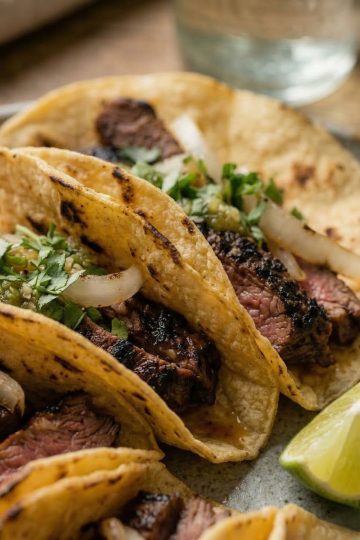

Recipe
Pierna de Puerco
Equipment
- Mortar and pestle or spice grinder
- 5-quart Dutch oven
- Mixing bowl (optional, for chiles)
- Butcher's twine
- Ladle or large spoon
Ingredients
ADOBO:
- 4 ancho chiles, remove the stems, seeds, and veins
- 5 guajillo chiles, remove the stems, seeds, and veins
- 6 morita chiles, remove only the stem
- 1 small onion, sliced
- 8 garlic cloves, peeled , divided
- 3 tablespoons Vegetable oil
- 1⅓ cups water
SPICES:
- 15 black peppercorns
- 8 allspice berries
- ½ teaspoon coriander seeds
- ¼ teaspoon ground cumin
- 1 teaspoon dried oregano
- 1 bay leaf
- ½ cup chile cooking water
- ⅓ cup apple cider vinegar
- 1 cup fresh orange juice
- 1¼ teaspoons sea or kosher salt
PORK LEG:
- 2 kg Pork Leg, boneless
- 2 teaspoons salt
- ½ tablespoon lard
Instructions
- Clean the ancho and guajillo chiles by removing the seeds and veins. Leave the morita chiles whole.
- In a large skillet, heat oil over medium heat. Cook 5 garlic cloves until lightly golden and fragrant. Add the sliced onion and cook until softened. Remove from the heat.
- Lower the heat and add the morita chiles to the skillet to hydrate. Once they puff up, add the chopped ancho and guajillo chiles. Stir constantly so they don't burn.
- After a couple of minutes, add 1-⅓ cup water, cover the pan, and let the chiles soften over low heat for about 10 minutes. Turn off the heat and let them cool.
- In a mortar and pestle or spice grinder, grind the black peppercorns, allspice, coriander seeds, cumin, and oregano. Add the bay leaf last and grind as much as possible.
- Place the softened chiles in the blender with the ½ cup cooking liquid. Add the fried onions and garlic, the raw garlic cloves, the ground spices, vinegar, orange juice, and salt. Blend until completely smooth.
- Pierce the pork leg all over, on both sides, to help the salt and adobo absorb-season with 2 teaspoons sea salt. Tie the pork leg with butcher's twine to keep it round while baking.
- Grease a 5-quart Dutch oven with pork lard. Place the pork leg in the pot and pour all the adobo over it, coating it well on all sides. Cover and refrigerate overnight.
- The next day, remove the pork from the refrigerator at least 1 hour before baking. Preheat the oven to 350°F (180°C). Cover the dish and bake for 1 hour. After 1 hour, uncover the pork, baste it with the adobo, and return it to the oven.
- After another 30 minutes, baste it again. Remove the butcher's twine, leave it uncovered, and continue baking until it browns.
- Bake for another 30 minutes or until the surface is golden and fully cooked. Total baking time is about 1 hour per kg. The pork leg is ready when its internal temperature reaches 150°F (66°C).
- Remove from the oven and let it rest for a few minutes before slicing. Slice and serve warm.
Notes
Nutrition
Nutrition Disclaimer: The nutritional information provided is an estimate, calculated using standard data sources. Actual values may vary based on ingredient brands, preparation methods, and portion sizes. This information is for general reference only and should not be considered a substitute for professional dietary advice.