Mexican sweet bread, known as pan dulce, includes many traditional pastries, with the concha being the most iconic.

Jump to
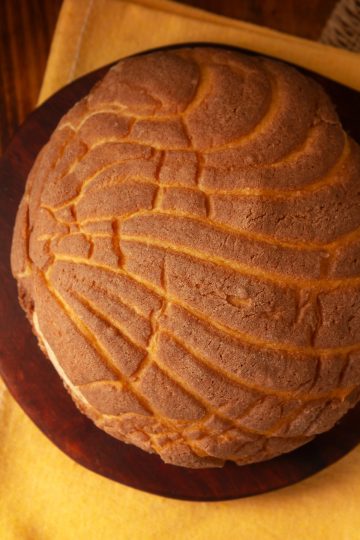
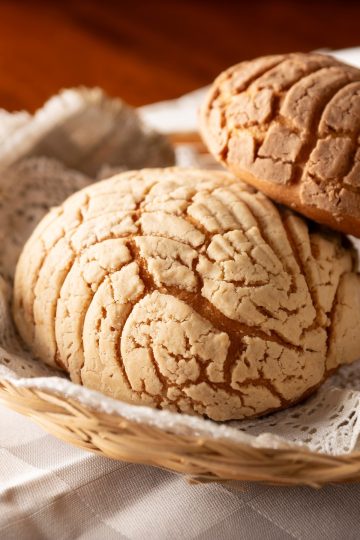
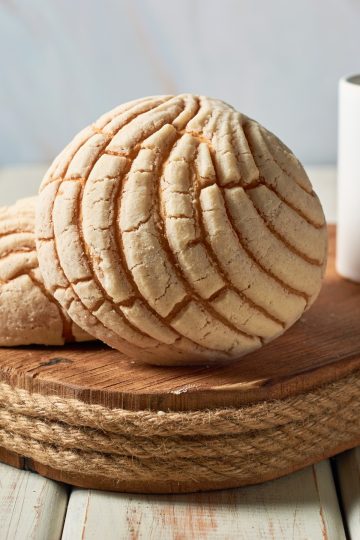
A concha is a soft, brioche-style Mexican sweet bread topped with a crunchy sugar shell, scored to resemble a seashell, and it's commonly enjoyed for breakfast or as a snack with coffee or hot chocolate.
This Mexican sweet bread recipe uses a rich, enriched dough that bakes into soft, fluffy, tender bread, just like traditional pan dulce conchas from Mexican bakeries.
Each sweet bread is topped with a classic cinnamon-sugar shell that creates the signature crackled pattern and a lightly crisp finish.
With an easy, step-by-step method, this conchas recipe makes it simple to prepare authentic Mexican conchas at home with bakery-style texture, flavor, and appearance.
Ingredients You'll Need
Note: Full ingredients and amounts are listed in the recipe card below.
- All-purpose flour: forms the base of the dough and gives conchas their soft, bread-like structure.
- Sugar: sweetens the bread and helps keep it soft and tender.
- Instant or active dry yeast: Helps the dough rise, creating a light and airy texture.
- Milk: adds moisture and richness, helping the bread stay soft after baking.
- Eggs & Egg yolk: add structure, color, and richness, giving conchas their brioche-like texture.
- Unsalted Butter: adds flavor and creates a tender, soft crumb.
- Salt: balances the sweetness and strengthens the dough.
- Vanilla extract: Enhances the bread's overall flavor.
- Cinnamon: For the dough and the crunchy shell.
How to Make Mexican Sweet Bread
Note: Full instructions are provided in the recipe card below.
- Place 3 tablespoons of the flour in a measuring cup or small bowl with the yeast. Add 1 tablespoon of the sugar and mix well. Pour in the warm milk (110°F / 43°C), stir until dissolved, cover with plastic wrap, and place in a warm spot to ferment. Let rest for about 15-20 minutes, until bubbly and expanded.
- In the bowl of a stand mixer, combine the sponge, remaining flour, cinnamon, eggs, egg yolk, vanilla, salt, and about one-third of the butter. Mix on low speed until homogeneous, about 5 minutes.
- Increase the speed to high and mix until it is combined and forms a dough, about 2 minutes.
- Add another one-third of the butter while mixing on high speed, scraping often. Stream in half of the remaining sugar, then add the remaining butter.
- Stream in the remaining sugar, and mix the dough on high until it's very smooth, shiny, elastic, and pulls away cleanly from the sides of the bowl. Do the windowpane test: stretch the dough thinly. If it does not tear, it is ready.
- Lightly grease a bowl with oil, place the dough inside, cover with plastic wrap, and let it rest in a warm, draft-free place until more than doubled in size, about 1 hour and 20 minutes (up to 2 hours in cooler conditions).
- While the dough rises, prepare the topping. Sift together the powdered sugar, cinnamon, and flour. In a separate bowl, combine the vegetable shortening, vanilla, and the sifted dry ingredients.
- Using clean hands, mix until a uniform dough forms with a playdough-like consistency.
- Lightly dust the work surface with flour and knead the topping dough briefly. Divide into 16 portions, roll into balls, and keep covered until ready to use.
- After the dough has doubled in size, turn it out onto the work surface. Pull the dough toward the center and press it inward. Repeat from all sides to degas and strengthen the dough.
- Divide the dough into 16 portions (about 65 g each). Shape each portion by stretching the surface of the dough around itself to create tension. Rotate and tuck underneath to form a smooth, tight ball.
- Place the dough balls on a well-greased baking sheet or one lined with parchment paper, leaving space between them. Gently press around the edges so the center remains slightly domed.
- Rub a small amount of vegetable shortening between your palms and lightly coat the top of each dough ball.
- Lightly flour your hands. Flatten each topping portion into a thin, round disk large enough to cover the dough ball. Alternatively, place one portion between two pieces of plastic in a tortilla press and press it into a disk slightly larger than the diameter of the dough ball.
- Place the topping disk on top and press gently. Using a concha cutter or a knife dusted with flour or powdered sugar, score the shell pattern.
- Place the tray in a warm area and let the conchas rise again until doubled in size, about 30 minutes to 1 hour.
- Adjust the oven racks to the upper-middle and lower-middle positions and preheat the oven to 350°F (175°C).
- Bake for 20 to 25 minutes, switching and rotating the baking sheets halfway through, until the conchas are golden brown and the internal temperature reaches at least 205°F.
- Transfer the baking sheets to wire racks and let cool for 15 minutes before serving.

Hint: Make sure the milk is warm, not hot. Milk that is too hot can kill the yeast, but warm milk helps it activate and rise properly.
Storage, Make Ahead, & Freezing
Storage: Store conchas in an airtight container at room temperature for up to 2 days. Refrigerate for up to 5 days for longer freshness. Warm slightly before serving. Microwave briefly for a few seconds to soften.
Make Ahead: The dough can be made ahead and refrigerated overnight after the first rise. Let it come to room temperature before shaping.
Freezing: Baked conchas freeze well. Once completely cooled, wrap them tightly and freeze for up to 2 months. Thaw at room temperature and warm briefly before serving.

Camila's Tips & Variations
- By hand option: This dough can be made by hand if you don't have a stand mixer, but it will take longer. Expect about 25-30 minutes of kneading to develop a smooth, elastic dough.
- Dough texture: The dough should feel soft and slightly sticky. Avoid adding extra flour, or the conchas may turn out dry.
- Even size: Weigh or portion the dough evenly so the conchas bake at the same rate.
- Shell pattern: Dust the concha cutter with flour or powdered sugar before scoring to keep the design clean and defined. If you don't have a cutter, you can score the pattern using a small knife.
- Spacing: When shaping and placing the dough balls on the baking sheet, leave enough space between them. Do not place them too close together, as they will expand during proofing and baking and may stick to each other.
- Don't overbake: Oven temperatures vary, so bake the conchas until they are lightly golden on top and lightly browned on the bottom. When gently tapped underneath, they should sound slightly hollow, indicating they are baked through. Avoid excessive browning, as it will make them dry rather than soft.
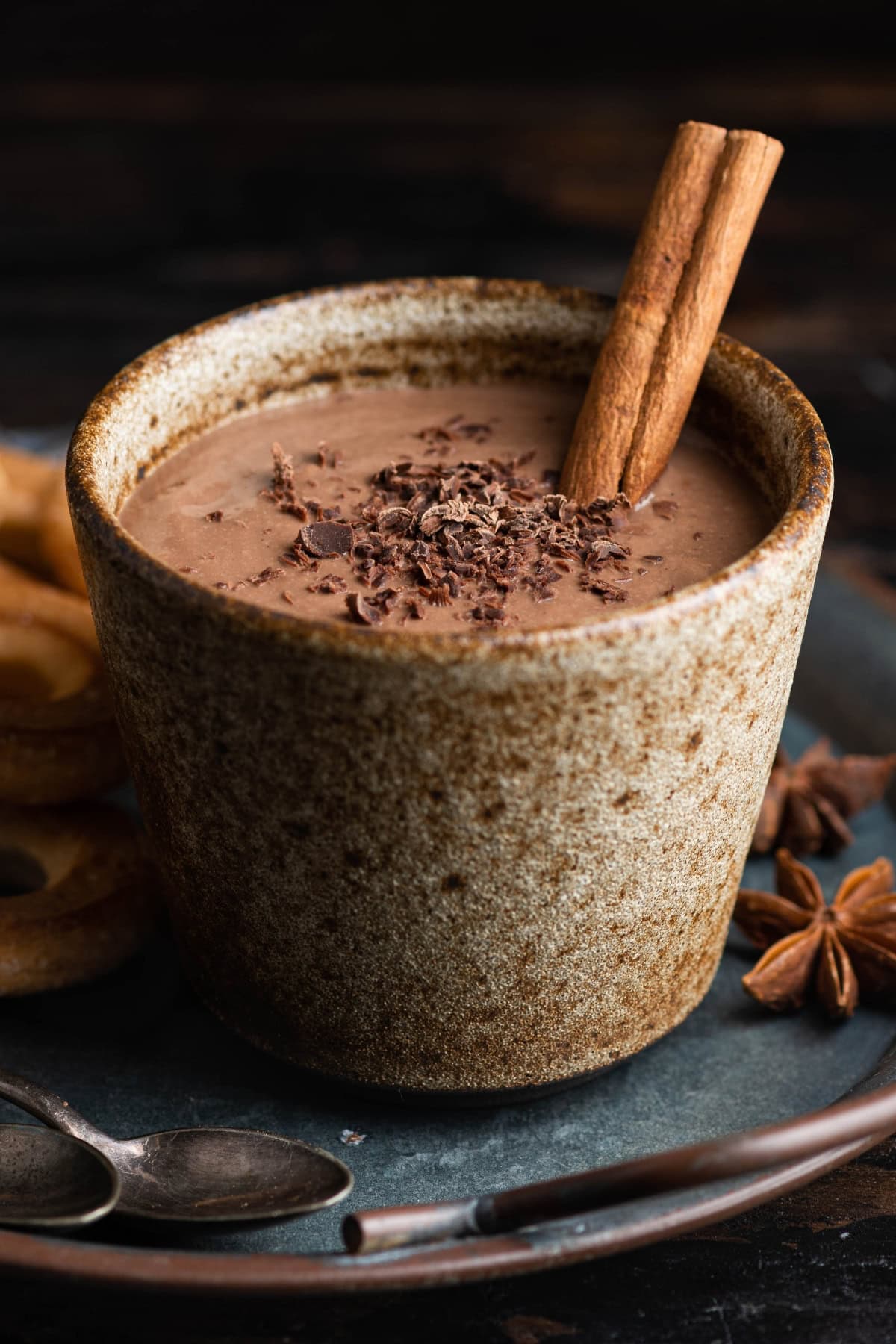
- Serving idea: Conchas taste best fresh and are perfect with coffee, milk, or hot chocolate.
Frequently Asked Questions
What is Mexican sweet bread?
Mexican sweet bread, also known as pan dulce, is a category of soft, lightly sweet breads typically enjoyed for breakfast or with coffee.
Is Mexican sweet bread very sweet?
No, it's mildly sweet, designed to pair well with coffee, hot chocolate, or milk.
Can Mexican sweet bread be reheated?
Yes, warm it briefly in the oven or microwave to refresh the texture before serving.
What flour is commonly used in Mexican sweet bread?
All-purpose flour is most commonly used, providing a soft crumb and tender structure.
❤️ Love this Conchas de Canela recipe?
Make sure to check out our Mexican conchas recipe featuring an enriched dough that bakes up soft and fluffy, topped with a traditional vanilla and chocolate sugar shell.
Pair with



You may also like
Recipe
Mexican Sweet Bread
Equipment
- kitchen towel
- Mexing bowl
Ingredients
For the rich egg bread dough
- 571 g all-purpose flour or bread flour
- 1 teaspoon ground cinnamon
- 1 teaspoon kosher
- 150 g sugar
- 180 ml whole milk
- 11 g instant or active dry yeast
- 1 tablespoon vanilla
- 2 large eggs
- 1 large egg yolk
- 150 g unsalted butter , room temperature, cut into cubes
For the sugar topping
- 150 g vegetable shortening, room temperature such as Crisco
- 150 g powdered sugar
- 150 g all-purpose flour
- 1 teaspoon vanilla extract
- 1 tablespoon ground cinnamon
Instructions
- Place 3 tablespoons of the flour in a measuring cup or small bowl with the yeast. Add 1 tablespoon of the sugar and mix well. Pour in the warm milk (110°F / 43°C), stir until dissolved, cover with plastic wrap, and place in a warm spot to ferment. Let rest for about 15-20 minutes, until bubbly and expanded.
- In the bowl of a stand mixer, combine the sponge, remaining flour, cinnamon, eggs, egg yolk, vanilla, salt, and about one-third of the butter. Mix on low speed until homogeneous, about 5 minutes.
- Increase the speed to high and mix until it is combined and forms a dough, about 2 minutes.
- Add another one-third of the butter while mixing on high speed, scraping often. Stream in half of the remaining sugar, then add the remaining butter.
- Stream in the remaining sugar, and mix the dough on high until it's very smooth, shiny, elastic, and pulls away cleanly from the sides of the bowl. Do the windowpane test: stretch the dough thinly. If it does not tear, it is ready.
- Lightly grease a bowl with oil, place the dough inside, cover with plastic wrap, and let it rest in a warm, draft-free place until more than doubled in size, about 1 hour and 20 minutes (up to 2 hours in cooler conditions).
- While the dough rises, prepare the topping. Sift together the powdered sugar, cinnamon, and flour. In a separate bowl, combine the vegetable shortening, vanilla, and the sifted dry ingredients.
- Using clean hands, mix until a uniform dough forms with a playdough-like consistency.
- Lightly dust the work surface with flour and knead the topping dough briefly. Divide into 16 portions, roll into balls, and keep covered until ready to use.
- After the dough has doubled in size, turn it out onto the work surface. Pull the dough toward the center and press it inward. Repeat from all sides to degas and strengthen the dough.
- Divide the dough into 16 portions (about 65 g each). Shape each portion by stretching the surface of the dough around itself to create tension. Rotate and tuck underneath to form a smooth, tight ball.
- Place the dough balls on a well-greased baking sheet or one lined with parchment paper, leaving space between them. Gently press around the edges so the center remains slightly domed.
- Rub a small amount of vegetable shortening between your palms and lightly coat the top of each dough ball.
- Lightly flour your hands. Flatten each topping portion into a thin, round disk large enough to cover the dough ball. Alternatively, place one portion between two pieces of plastic in a tortilla press and press it into a disk slightly larger than the diameter of the dough ball.
- Place the topping disk on top and press gently. Using a concha cutter or a knife dusted with flour or powdered sugar, score the shell pattern.
- Place the tray in a warm area and let the conchas rise again until doubled in size, about 30 minutes to 1 hour.
- Adjust the oven racks to the upper-middle and lower-middle positions and preheat the oven to 350°F (175°C). Bake for 20 to 25 minutes, switching and rotating the baking sheets halfway through, until the conchas are golden brown and the internal temperature reaches at least 205°F. Transfer the baking sheets to wire racks and let cool for 15 minutes before serving.
Notes
Nutrition
Nutrition Disclaimer: The nutritional information provided is an estimate, calculated using standard data sources. Actual values may vary based on ingredient brands, preparation methods, and portion sizes. This information is for general reference only and should not be considered a substitute for professional dietary advice.