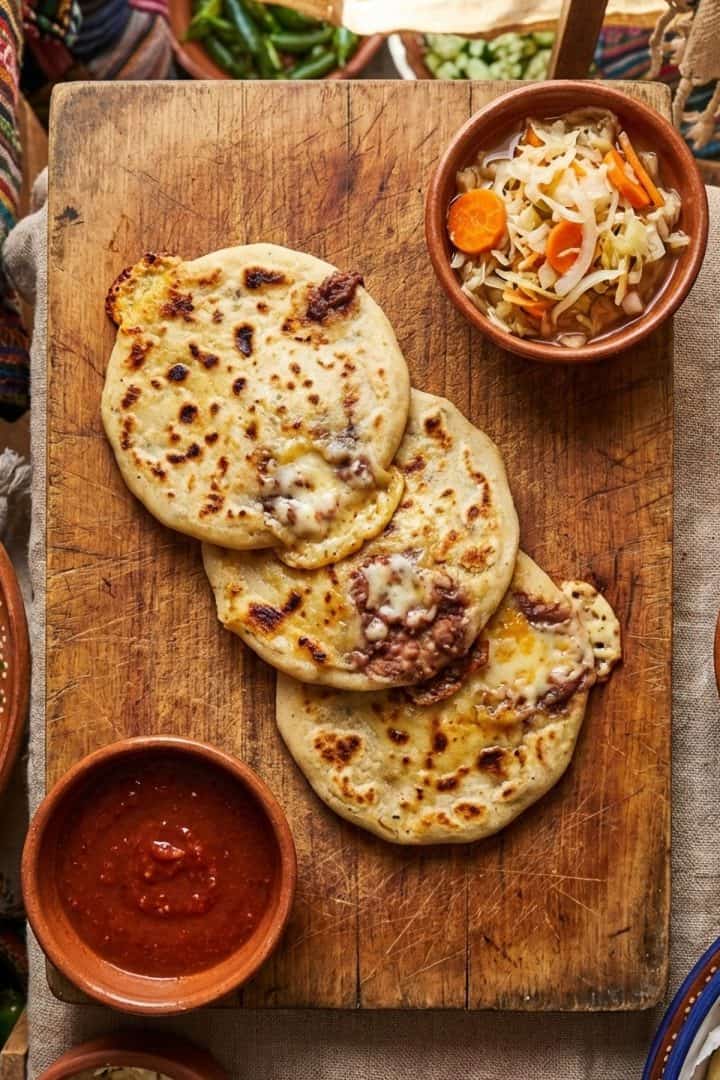
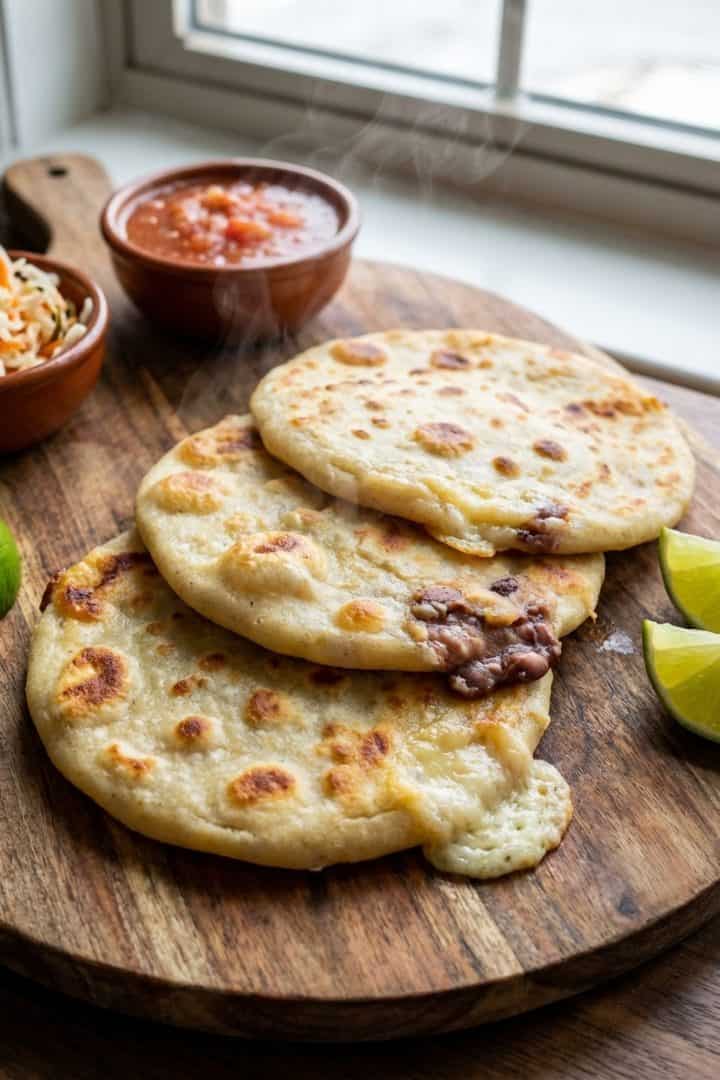
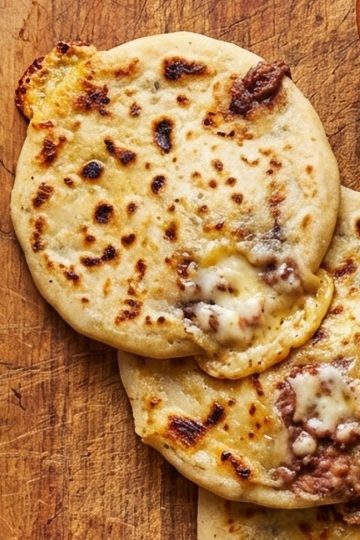
Pupusa de Frijol con queso (Bean and Cheese Pupusas) is a traditional Salvadoran dish made with thick corn masa stuffed with creamy beans and melted cheese, cooked on a griddle until golden brown in spots and slightly puffy.
Jump to
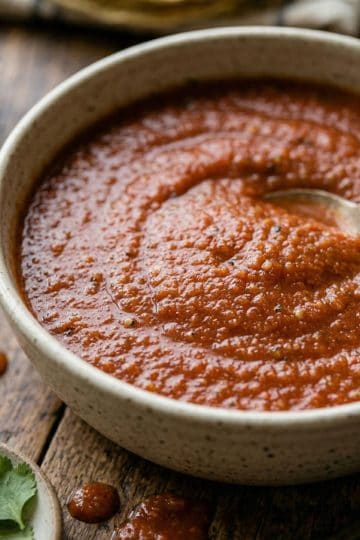
It's a popular street food known for its comforting texture and is traditionally served with curtido and mild tomato salsa.
This Pupusa de Frijol con queso recipe is my home-style version made with homemade pupusa masa seasoned with Knorr chicken bouillon instead of just salt, which adds flavor and keeps the dough from tasting bland.
I use canned beans to make the filling easier and faster while keeping the classic taste and texture of authentic pupusas.
Ingredients You'll Need
Note: See the recipe card for quantities.
- Masa harina: Forms the base of the pupusas.I use Maseca instant corn flour.
- Knorr chicken bouillon or kosher salt: Typically, pupusas are seasoned with salt, but I like using Knorr granulated chicken bouillon to add extra depth and savory flavor to the dough.
- Butter or oil: Adds richness and moisture to the masa, helping prevent dryness during cooking.
- Canned beans: Provide a creamy, hearty filling. I like using kidney or pinto beans, but black beans work just as well if preferred.
- Onion and garlic: Build a flavorful base for the bean filling; omit if desired.
- Monterey Jack or mozzarella cheese: Melts well, creating the signature gooey center. If using a block, cut up the cheese and process until the mixture resembles wet oatmeal, about 30 seconds (it will not form a cohesive mass).
How to Make Pupusa de Frijol con Queso
Note: Full instructions are provided in the recipe card below.
- Make the dough: In a large bowl, combine the masa harina and chicken bouillon (or salt). Add the warm water and melted butter (or oil) and mix until a soft, playdough-like dough forms that releases from the bowl and does not stick to your hands.
- Adjust and rest the dough: If the dough is too dry, add warm water 1 tablespoon at a time. If too sticky, add masa harina 1 tablespoon at a time. Cover with plastic wrap or a damp towel and let rest for 15-20 minutes. While resting, line a rimmed baking sheet with parchment paper.
- Make the filling: Heat the oil in a 10-inch nonstick skillet over medium heat, add the onion and cook until lightly browned, 5-7 minutes. Add beans and stir until thoroughly combined. Cook, mashing the beans with a potato masher, until the mixture is mostly smooth, 5 to 7 minutes.
- Remove from heat and let cool completely. Once cooled, mix in the Monterey Jack cheese. Divide the bean-and-cheese filling into 19 balls (about 43 g / 1.5 oz each) and place them on the prepared baking sheet. Cover with plastic wrap.
- Portion the dough: Knead the dough briefly, 15-20 seconds. Test hydration by flattening a small piece; if cracks larger than ¼ inch appear, add warm water 1 tablespoon at a time.
- Divide the pupusa dough into 19 equal pieces (about 83 g / 3 oz each). Rub the palms of your hands with a bit of olive oil, roll each piece into a ball, and place on the empty half of the baking sheet. Cover with plastic wrap or a damp towel.
- Form the pupusas: Rub the palms of your hands with a bit of olive oil again. While holding the dough balls in 1 hand, press the thumb of the other hand into the middle of the dough ball to form an indentation. Then, turning the dough, begin to flatten it with your fingertips into a 4-inch concave disk resembling a small bowl. In the center of the disk, place 1 cheese and bean ball mixture into the well, simultaneously surrounding the filling with the masa until everything is covered. Use both palms to press gently until you achieve a uniform ¼-inch-thick disc.
- Cook the pupusas: Lightly rub the pupusas with oil and place them on a heated, greased nonstick skillet over medium-high heat. Cook each side until golden brown in spots and slightly puffy, 4 minutes per side. Repeat with the remaining pupusas. Serve warm with salsa and curtido.
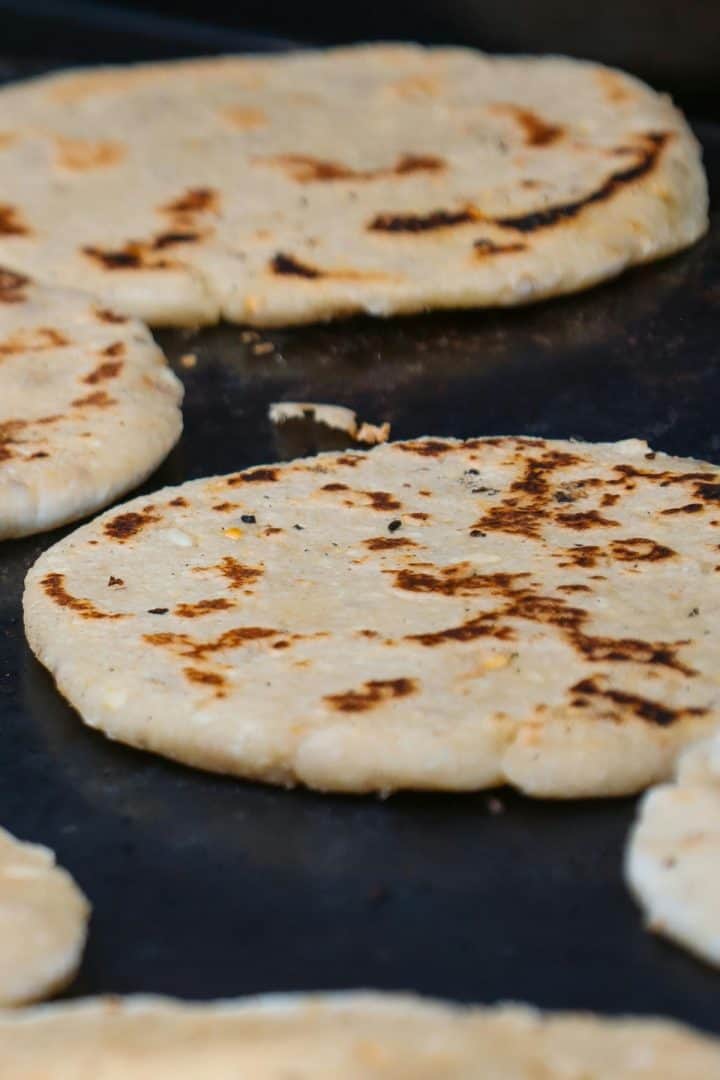
Hint: Keep the masa slightly tacky for easy shaping. If it dries out, add warm water gradually. A little cheese leaking during cooking is normal and adds flavor.
Storage, Make Ahead, & Freezing
Storage: Store cooked bean and cheese pupusas in an airtight container in the refrigerator for up to 3 days. Reheat in a skillet over medium heat until warmed through, or briefly in the microwave.
Make ahead: Prepare the dough and filling up to 24 hours in advance. Store separately in the refrigerator. Bring to room temperature before assembling.
Freezing: Freeze uncooked pupusas in a single layer until firm, then transfer to a freezer-safe bag for up to 2 months. Cook directly from frozen, adding a few extra minutes per side.
Camila's Tips & Variations
- Dough texture: The masa should feel slightly tacky, not dry. If it cracks, knead in warm water 1 teaspoon at a time.
- Seasoning the masa: Traditionally, only salt is used, but chicken bouillon adds extra depth and savory flavor.
- Filling options: Kidney or pinto beans are my go-to, but black beans work well too.
- Cheese choice: Use a mild, good-melting cheese like Monterey Jack or mozzarella for a gooey center.
- Shaping tip: Keep your hands lightly oiled to prevent sticking and help form even pupusas.
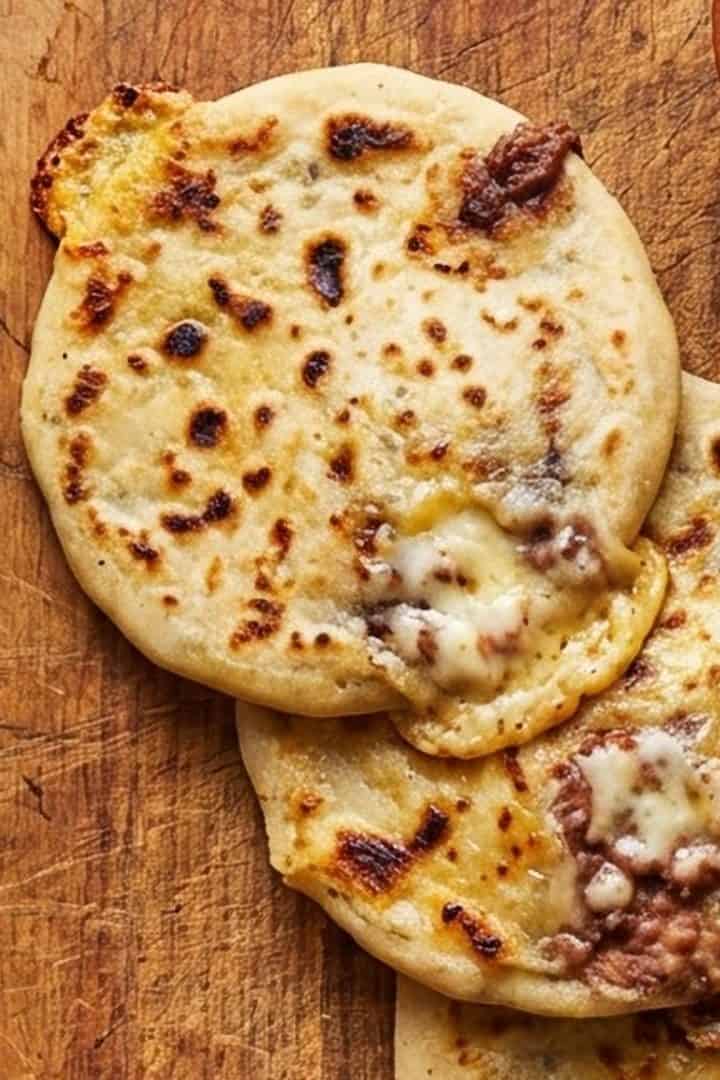
- Cheese leaks: Some filling may escape while cooking. This is normal and adds a crispy, flavorful bite.
Frequently Asked Questions
What beans are best for pupusas?
Pinto or red (kidney) beans are most commonly used, but black beans also work well.
What cheese melts best in pupusas?
Mild, good-melting cheeses like Monterey Jack, mozzarella, or quesillo are ideal.
Why is my pupusa dough cracking?
Cracking means the dough is too dry. Add warm water 1 teaspoon at a time until the masa feels slightly tacky.
What does "tacky" dough mean?
Tacky means slightly sticky to the touch but not wet. The dough should release easily from your hands.
❤️ Love this Pupusa de Frijoles y Queso recipe?
Make sure to check out our pupusas recipe with bacon for a delicious variation of traditional Salvadoran pupusas.
Pair with
You may also like

Recipe
Pupusa de Frijol con Queso
Ingredients
For the Masa
- 681 g masa harina (such as Maseca)
- 3 teaspoons Knorr chicken-flavor bouillon or kosher salt
- 3 tablespoons butter , melted, or vegetable oil
- 4¼ cups hot water , adjust as needed (see Note)
Instructions
- Make the dough: In a large bowl, combine the masa harina and chicken bouillon (or salt). Add the warm water and melted butter (or oil) and mix until a soft, playdough-like dough forms that releases from the bowl and does not stick to your hands.
- Adjust and rest the dough: If the dough is too dry, add warm water 1 tablespoon at a time. If too sticky, add masa harina 1 tablespoon at a time.
- Cover with plastic wrap or a damp towel and let rest for 15-20 minutes. While resting, line a rimmed baking sheet with parchment paper.
- Make the filling: Heat the oil in a 10-inch nonstick skillet over medium heat, add the onion and cook until lightly browned, 5-7 minutes.
- Add beans and stir until thoroughly combined. Cook, mashing the beans with a potato masher, until the mixture is mostly smooth, 5 to 7 minutes.
- Remove from heat and let cool completely. Once cooled, mix in the Monterey Jack cheese. Divide the bean-and-cheese filling into 19 balls (about 43 g / 1.5 oz each) and place them on the prepared baking sheet. Cover with plastic wrap.
- Portion the dough: Knead the dough briefly, 15-20 seconds. Test hydration by flattening a small piece; if cracks larger than ¼ inch appear, add warm water 1 tablespoon at a time.
- Divide the pupusa dough into 19 equal pieces (about 83 g / 3 oz each). Rub the palms of your hands with a bit of olive oil, roll each piece into a ball, and place on the empty half of the baking sheet. Cover with plastic wrap or a damp towel.
- Form the pupusas: Rub the palms of your hands with a bit of olive oil again. While holding the dough balls in 1 hand, press the thumb of the other hand into the middle of the dough ball to form an indentation.
- Then, turning the dough, begin to flatten it with your fingertips into a 4-inch concave disk resembling a small bowl.
- In the center of the disk, place 1 cheese and bean ball mixture into the well, simultaneously surrounding the filling with the masa until everything is covered. Use both palms to press gently until you achieve a uniform ¼-inch-thick disc.
- Cook the pupusas: Lightly rub the pupusas with oil and place them on a heated, greased nonstick skillet over medium-high heat.
- Cook each side until golden brown in spots and slightly puffy, 4 minutes per side. Repeat with the remaining pupusas. Serve warm with salsa and curtido.
Notes
Nutrition
Nutrition Disclaimer: The nutritional information provided is an estimate, calculated using standard data sources. Actual values may vary based on ingredient brands, preparation methods, and portion sizes. This information is for general reference only and should not be considered a substitute for professional dietary advice.