Bisquets
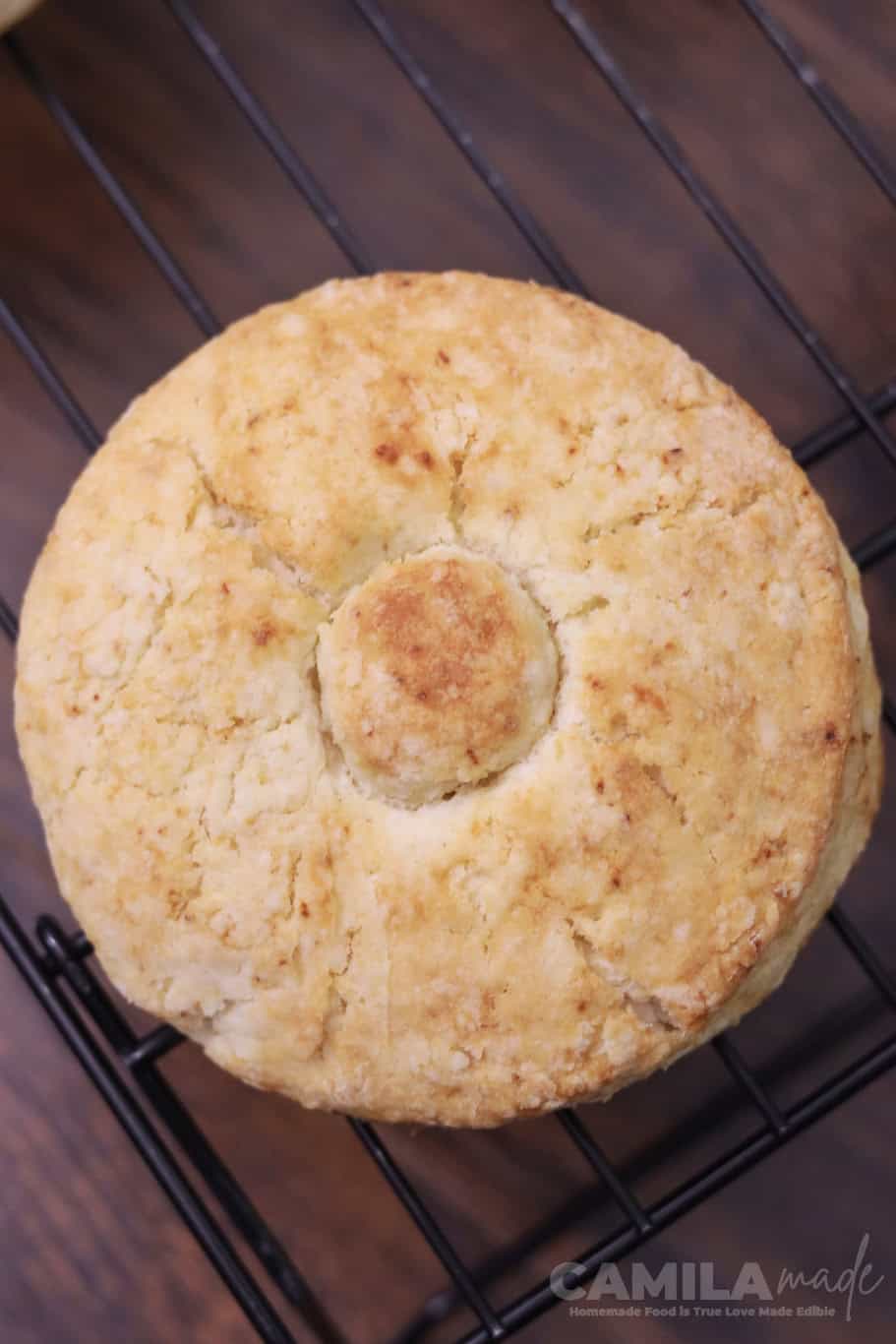
Bisquets are a lightly sweet, flour-based bread roll with a small chimney-like rise on top, a hallmark of this traditional Mexican sweet bread.
Equipo
Ingredientes
- 500 grams all-purpose flour
- 175 grams cold butter , cubed
- 75 grams granulated sugar
- 1¾ teaspoons kosher salt
- 4 grams instant yeast
- 2 large eggs
- 165- 200 ml milk , as needed (you may not need it all)
Instrucciones
- Sift the flour onto a clean work surface and form a well in the center. Cut the cold butter into medium cubes and add them to the flour.
- Using your fingertips, gently rub the butter into the flour until the mixture looks sandy, with a few pea-size bits of butter remaining.
- Add the kosher salt, sugar, baking powder, and yeast, and mix lightly to combine. Add a bit of milk, then the eggs, and start mixing. Remember, this is a shortcrust-style dough, not a yeast dough—you don’t want to knead it like bread.
- Simply combine the ingredients until evenly mixed. Always add the liquid gradually—you might not need all of it. Continue mixing until the dough has a uniform color and smooth consistency.
- This dough should not be elastic. Pat the dough into a rough square, transfer it to a plate, cover with plastic wrap, and refrigerate for 30 minutes. This resting time allows the butter to firm up again, making the dough easier to roll, cut, and bake later.
- Once chilled, the dough will be firm, smooth, and slightly moist. Sprinkle a little flour on your work surface and a bit more on top of the dough, since it may have absorbed some moisture in the fridge.
- Using a rolling pin, flatten the dough into a rectangle about 12 x 9 inches (30 x 23 cm), adding a light dusting of flour as needed to prevent sticking.
- Lightly scrape the surface of the dough down the middle with your finger or a fork; this helps remove surface moisture and ensures that when folded, the layers adhere properly. If you skip this step, the bisquets may separate while baking.
- Fold the right third over the center, scrape the surface again, then fold the left third over the top—like folding a letter. Rotate the dough 90 degrees and roll it out again to about ½ inch (1 cm) thick.
- Using a lightly floured 4-inch (10 cm) round cutter, cut out the dough and place the pieces on a parchment-lined baking sheet, leaving space between each for even baking.
- Using a lightly floured smaller 1-inch (2.5 cm) cutter, gently press the center of each round to create a small indentation—don’t cut all the way through, or you’ll end up with a doughnut! Continue cutting out bisquets, making as many as possible from one batch of dough.
- Gather any scraps, bring them together gently, and chill briefly before re-rolling. Let the bisquets rest at room temperature for 45 to 50 minutes so the dough relaxes and the yeast activates slightly.
- For the egg wash, beat one egg with a pinch of salt and a pinch of sugar. The salt helps break down the egg proteins for a smoother texture, while the sugar promotes caramelization and color.
- Brush the tops lightly with the beaten egg, being careful not to let the egg wash pool in the center, which can cause an eggy flavor, or drip down the sides, as this can affect the rise.
- Preheat the oven to 340°F (170°C) and adjust the rack to the upper-middle position. Bake for 25 minutes, or until puffed and golden brown.
- Serve warm for the best flavor and texture.
Notas
Storage: Store cooled bisquets in an airtight container at room temperature for up to 2 days or in the refrigerator for up to 5 days.
Make Ahead: You can prepare the dough and shape the bisquets up to 24 hours in advance. Cover and refrigerate until ready to bake. Let them rest at room temperature for about 15 minutes before baking.
Freezing: I prefer bisquets freshly made the same day, but you can freeze them if you’d like. Cool completely, then wrap tightly in heavy-duty aluminum foil, freezer wrap, or place in freezer-safe bags to prevent drying out. To reheat, microwave on HIGH for 10–30 seconds or warm in a 300°F (150°C) oven—10 minutes if thawed or 20 minutes if frozen.
Nutrición
Valores nutricionales
Bisquets
Amount per Serving
Calorías
468
% Daily Value*
Grasa
21
g
32
%
Grasa saturada
13
g
81
%
Grasa Transgénica
1
g
Grasa polinsaturada
1
g
Grasa monosaturada
5
g
Colesterol
99
mg
33
%
Sodio
548
mg
24
%
Potasio
165
mg
5
%
Carbohidratos
60
g
20
%
Fibra
2
g
8
%
Azúcar
12
g
13
%
Proteina
10
g
20
%
Vitamina A
690
IU
14
%
Vitamina C
0.001
mg
0
%
Calcio
80
mg
8
%
Hierro
3
mg
17
%
* Percent Daily Values are based on a 2000 calorie diet.
Nutrition Disclaimer: The nutritional information provided is an estimate, calculated using standard data sources. Actual values may vary based on ingredient brands, preparation methods, and portion sizes. This information is for general reference only and should not be considered a substitute for professional dietary advice.
