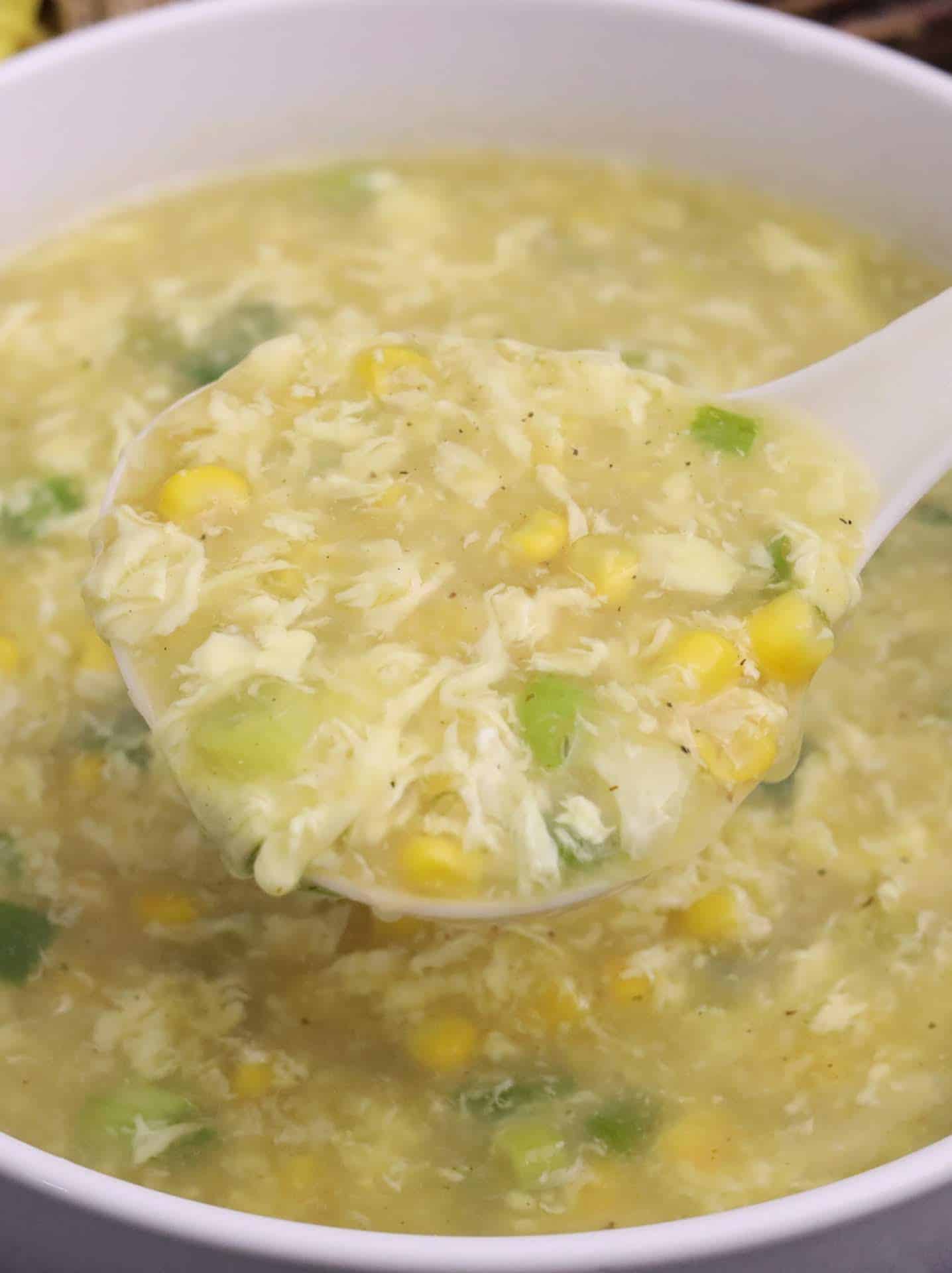
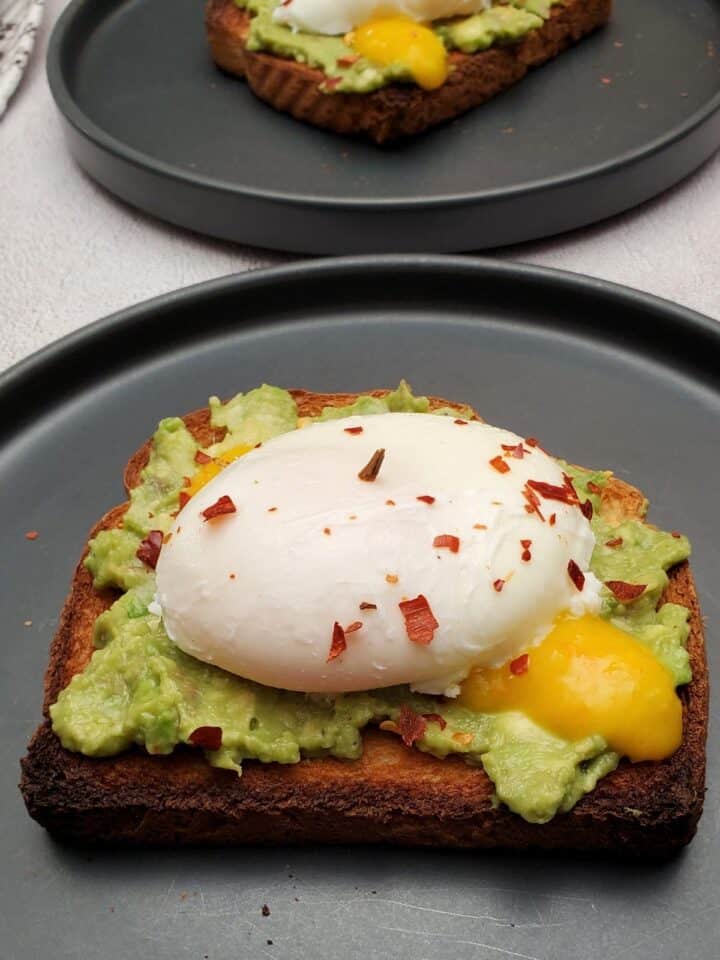
Huevo Escalfado (poached egg) is an egg gently cooked outside its shell in simmering water until the whites set and the yolk stays runny.
Jump to
This simple, low-fat technique creates a delicate egg with a soft yolk and a tender, firm white, making it ideal for breakfast dishes, toast, rice, and salads.
In this huevo escalfado recipe, I use a light simmer, a swirl in the water, and fresh eggs to help the whites wrap neatly around the yolk.
It's a dependable method that produces consistent results-no vinegar flavor, no overcooked centers-just a perfectly soft, silky poached egg every time.
Ingredients You'll Need
Note: See the recipe card for quantities.
Eggs: Fresh eggs hold their shape better and produce neater poached eggs.
Water: Gently simmering water cooks the whites evenly without breaking them.
Salt (optional): Adds light seasoning to the water or finished egg.
Vinegar (optional): Helps the whites set quickly and stay compact, but can be omitted.
How to Make Huevo Escalfado
Note: Full instructions are provided in the recipe card below.
- Heat the water: Bring a small pot of water to a boil over medium-high heat.
- Season the water: Add a splash of vinegar and a pinch of salt, then turn off the heat so the water is hot but not bubbling.
- Add the eggs: Carefully crack the eggs into the hot water, keeping them spaced apart.
- Cover and cook: Cover the pot with a tight-fitting lid and let the eggs sit undisturbed.
- Check for doneness: For soft, runny yolks, let the eggs sit for about 6 minutes, then lift them out gently with a slotted spoon.
- For firmer yolks: If you prefer a firmer yolk, leave the eggs in the covered pot for up to 10 minutes before removing.
- Serve: Drain briefly on a paper towel if needed, season to taste, and serve immediately.
Storage, Make Ahead, & Freezing
Storage: Keep poached eggs in the refrigerator for up to 24 hours, submerged in cold water in an airtight container.
Make Ahead: Chill cooked eggs in an ice bath, store in cold water, and reheat in warm (not boiling) water for 30-60 seconds before serving.
Freezing: Not recommended. Freezing changes the texture and makes the eggs rubbery.
Camila's Tips & Variations
- Use fresh eggs: They hold their shape better and create neater poached eggs.
- Avoid boiling water: Keep the water hot but off the heat to prevent the whites from breaking apart.
- Crack eggs into a small bowl: This helps you lower them gently into the water.
- Vinegar is optional: It helps the whites set, but you can skip it for a cleaner taste.
- Try simple variations:
- Serve over avocado toast or sautéed greens.
- Add herbs like chives or parsley.
- Sprinkle chili flakes for heat.
Frequently Asked Questions
How do I keep the poached egg from spreading?
Use fresh eggs-the whites are tighter and hold together better. A gentle swirl in the water also helps the whites wrap around the yolk.
Do I need vinegar to poach an egg?
No. Vinegar helps the whites set faster, but it's optional. You can skip it if you prefer no vinegar flavor.
Can I make Huevo Escalfado ahead of time?
Yes. Poached eggs can be cooked, transferred to ice water, and refrigerated for up to 24 hours. Reheat them in warm water for 30-60 seconds.
How long do you poach an egg?
Typically, 3 to 4 minutes for a runny yolk and set whites. Add an extra minute for a firmer yolk.
Why is my Huevo Escalfado tough or rubbery?
The water was likely too hot. Keep it at a gentle simmer, not a boil, for the best texture.
Did you know?
Poaching is one of the oldest cooking techniques for eggs, and chefs prefer it because it preserves the egg's pure flavor without added fat. The fresher the egg, the better it poaches-the tight whites wrap naturally around the yolk, creating that perfect, restaurant-style shape. Learn more in this article.
Pair with



You may also like



Recipe
Huevo Escalfado

Equipment
Ingredients
- 6 large eggs
- 2 tablespoons white vinegar
- kosher salt
Instructions
- Prepare the pot: Fill a small saucepan with about 3 inches of water. Bring it to a gentle boil over medium-high heat.
- Season the water: Stir in the vinegar and a pinch of salt. The vinegar helps the egg whites set neatly.
- Turn off the heat: Once the water reaches a boil, turn off the heat completely. This gentle cooking method prevents the eggs from breaking apart.
- Add the eggs: Crack each egg into a small bowl, then carefully slide it into the hot water.
- Cover and cook: Place a tight-fitting lid on the pot. Let the eggs sit undisturbed; 6 minutes for soft, runny yolks and 10 minutes for firm yolks
- Remove and serve: Use a slotted spoon to lift the eggs from the water. Drain briefly on a paper towel, then serve immediately over toast, salad, or your favorite dish.
Notes
Nutrition
Nutrition Disclaimer: The nutritional information provided is an estimate, calculated using standard data sources. Actual values may vary based on ingredient brands, preparation methods, and portion sizes. This information is for general reference only and should not be considered a substitute for professional dietary advice.