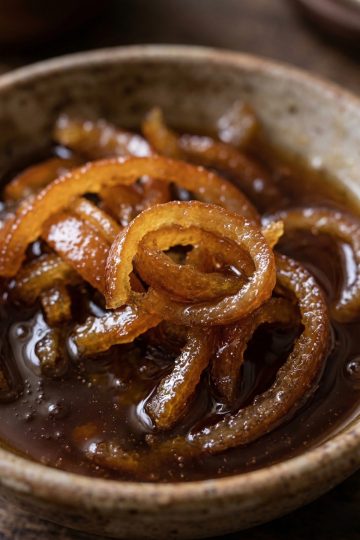
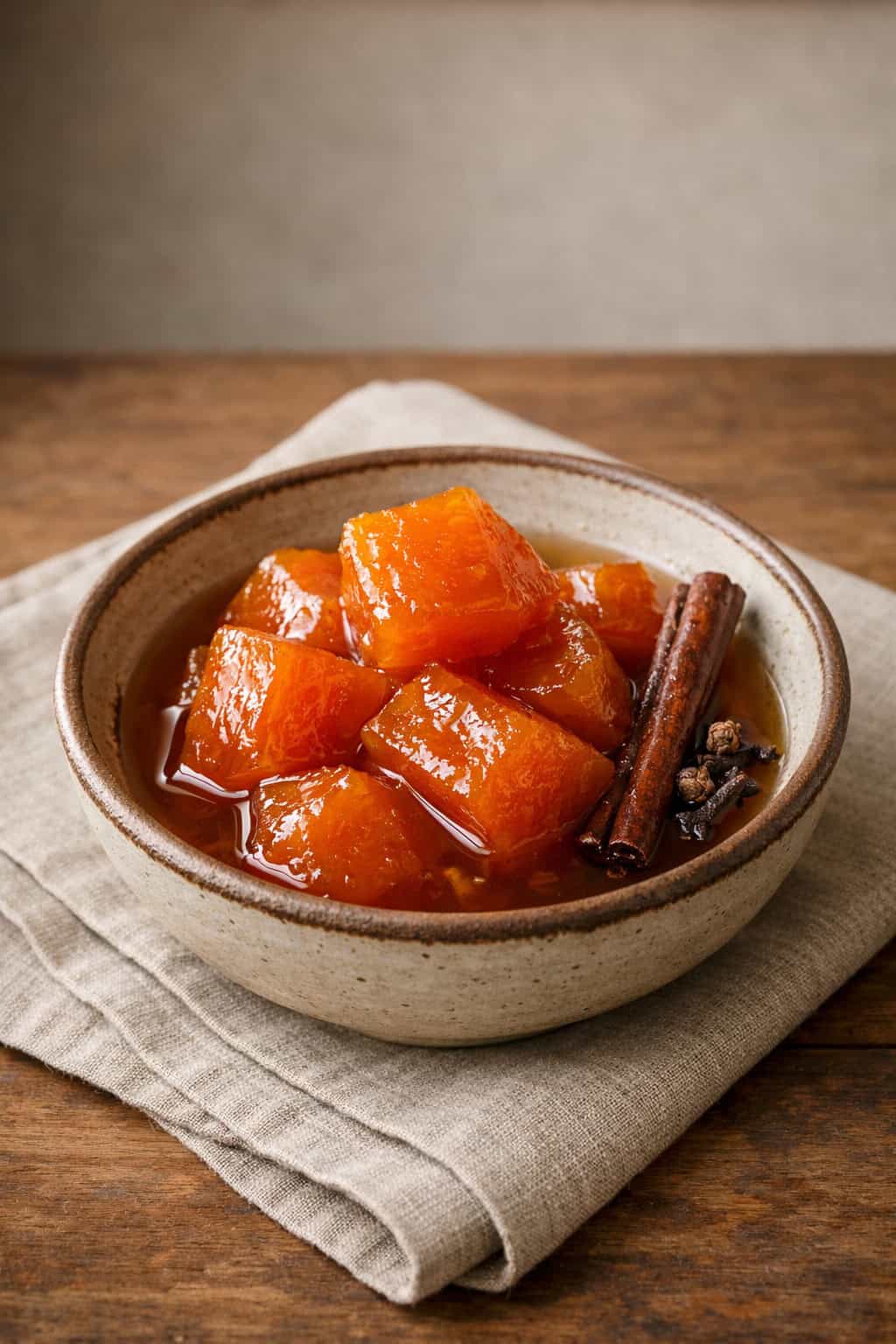
Dulce de calabaza is a traditional Latin American dessert made with pumpkin or winter squash slowly cooked in a sweet, spiced syrup.
Jump to
Depending on the country, it is prepared with piloncillo or sugar, water, cinnamon, and cloves, and is enjoyed during holidays, family gatherings, and seasonal celebrations across the region.
This dulce de calabaza recipe is Paraguayan-inspired and uses a traditional method in which the squash is soaked to keep its shape while remaining soft and moist inside.
Instead of cal viva, which is commonly used in Paraguay and other Latin American kitchens, I use food-grade pickling lime, a safe and food-approved option in the United States that gives the same firm outside and tender inside texture.
Ingredients You'll Need
Note: Full ingredients and amounts are listed in the recipe card below.
- Cushaw squash (green striped crookneck) or butternut squash: The main ingredient; firm flesh that holds its shape during cooking and becomes tender and translucent when candied.
- Food-grade pickling lime (calcium hydroxide): Used to soak the squash, helping it develop a firm outer layer that prevents it from falling apart while keeping the inside soft and moist. Make sure to rinse thoroughly after soaking so it does not affect the flavor.
- Water: Used to dissolve the pickling lime and fully submerge the squash during soaking.
- Granulated sugar: Sweetens the squash and creates the syrup that preserves the dessert and gives it a glossy finish. The amount can be adjusted to control sweetness.
- Cinnamon stick: Adds a light, warm aroma without overpowering the squash.
- Whole cloves (heads removed): Gently flavor the syrup; removing the heads prevents bitterness.
How to Make Dulce de Calabaza
Note: Full instructions are provided in the recipe card below.
- Peel the squash, remove any fibrous strands, and cut into medium chunks. You should have about 500 g of prepared squash.
- In a large bowl, add the food-grade pickling lime and pour in 500 ml of water. Stir well until dissolved. Add the squash pieces, then add the remaining 250 ml of water, stirring so all pieces are fully submerged.
- Let soak for 1 to 4 hours, stirring every 30 minutes. For a firmer outer layer, soak up to 4 hours. Drain the squash and rinse it several times under running water to remove all traces of lime. Optionally, lightly pierce each piece with a fork to allow some syrup to enter the squash.
- Place the squash in a large heavy-bottomed pot. Add the sugar, cinnamon stick, and cloves. Do not add water. Bring to a boil over high heat. Cook for about 10 minutes, until the squash releases liquid.
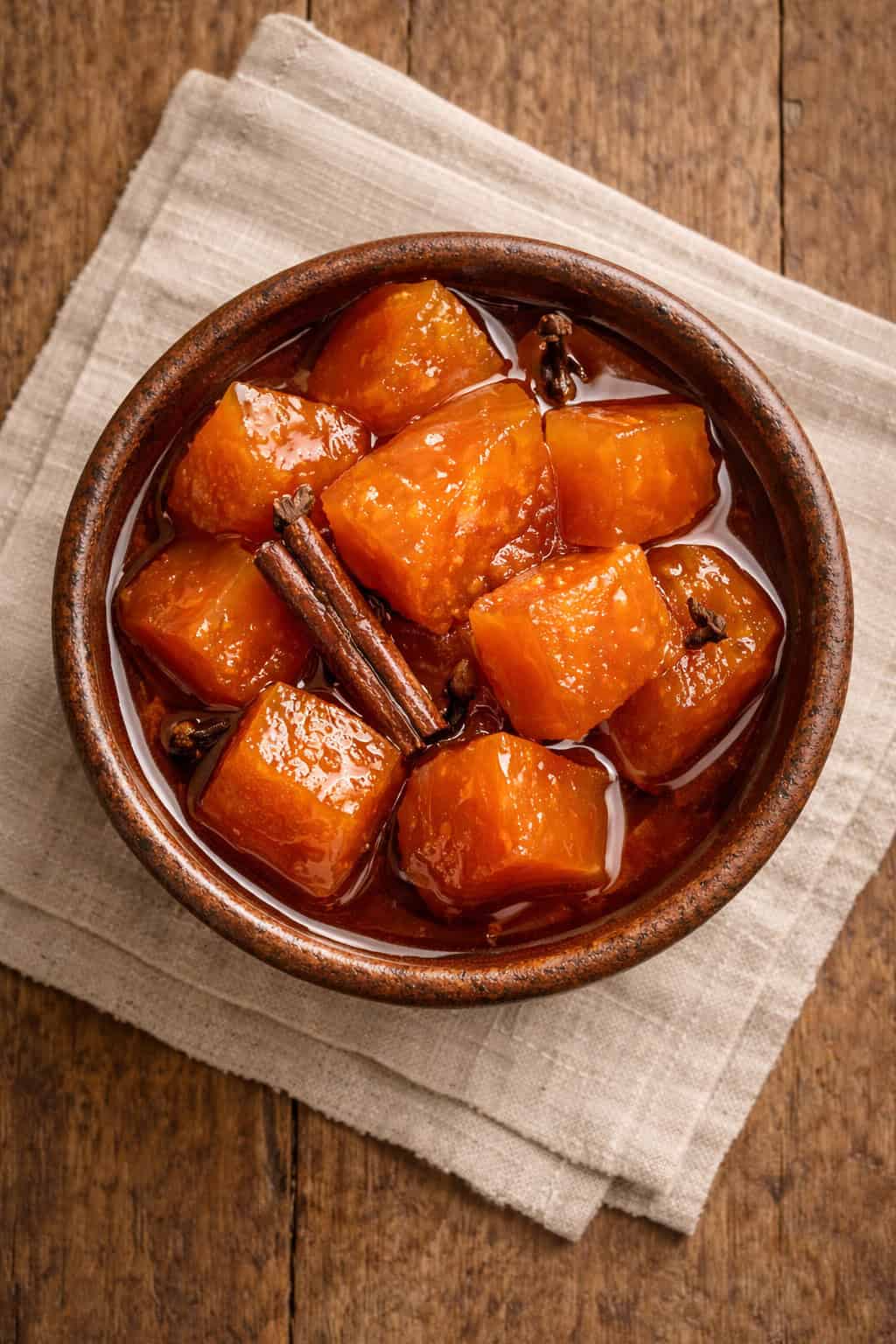
- Reduce the heat to medium and cook 5 minutes, until the syrup begins to thicken. Lower the heat to low and continue cooking gently for about 30 minutes, or until the squash is translucent, firm on the outside, and soft on the inside.
- If you prefer a thinner syrup, add ½ cup of water and boil for an additional 15 minutes. Turn off the heat, let rest for 15 minutes, then transfer to clean glass jars. Remove the cinnamon and cloves if desired.
Hint: The food-grade pickling lime is used only to firm the outside of the squash so it keeps its shape while cooking. Be sure to rinse the squash thoroughly under running water several times after soaking to remove all lime residue.
Storage, Make Ahead, & Freezing
Storage: Keep the dulce de calabaza in clean, airtight glass jars, fully covered with syrup. Refrigerate for up to 1 month.
Make Ahead: This dessert is ideal for making ahead. The texture and flavor improve after resting, making it even better the next day.
Freezing: Freezing is not recommended.
Camila's Tips & Variations
- Use the right squash: Cushaw squash or butternut squash are ideal because they stay firm on the outside and creamy on the inside. Remove any fibrous strands, but use all the smooth flesh.
- Why food-grade pickling lime (calcium hydroxide) is used: It creates a firm outer layer so the squash holds its shape during cooking, while the inside remains soft and moist.
- Always rinse well: After soaking, rinse the squash very thoroughly under running water several times. This step is essential for both safety and flavor.
- Soaking time controls texture: Soak for 1-2 hours for a softer shell, or up to 4 hours for a very firm, resistant outer layer.
- Stir during soaking: Stir the squash in the soaking liquid every 30 minutes so all pieces are evenly treated.
- Optional piercing: Lightly poking each piece with a fork is optional and allows some syrup to enter the squash for extra flavor.
- Sugar is adjustable: Use the same weight of sugar as the squash (500 g) for longer storage, or 250-400 g for a less-sweet dessert.
- Do not add water at the start: The squash releases its own liquid as it cooks, so adding water early is unnecessary.
- Control the heat: Start on high heat, reduce to medium, and finish on low heat so the syrup thickens slowly without reducing too fast.
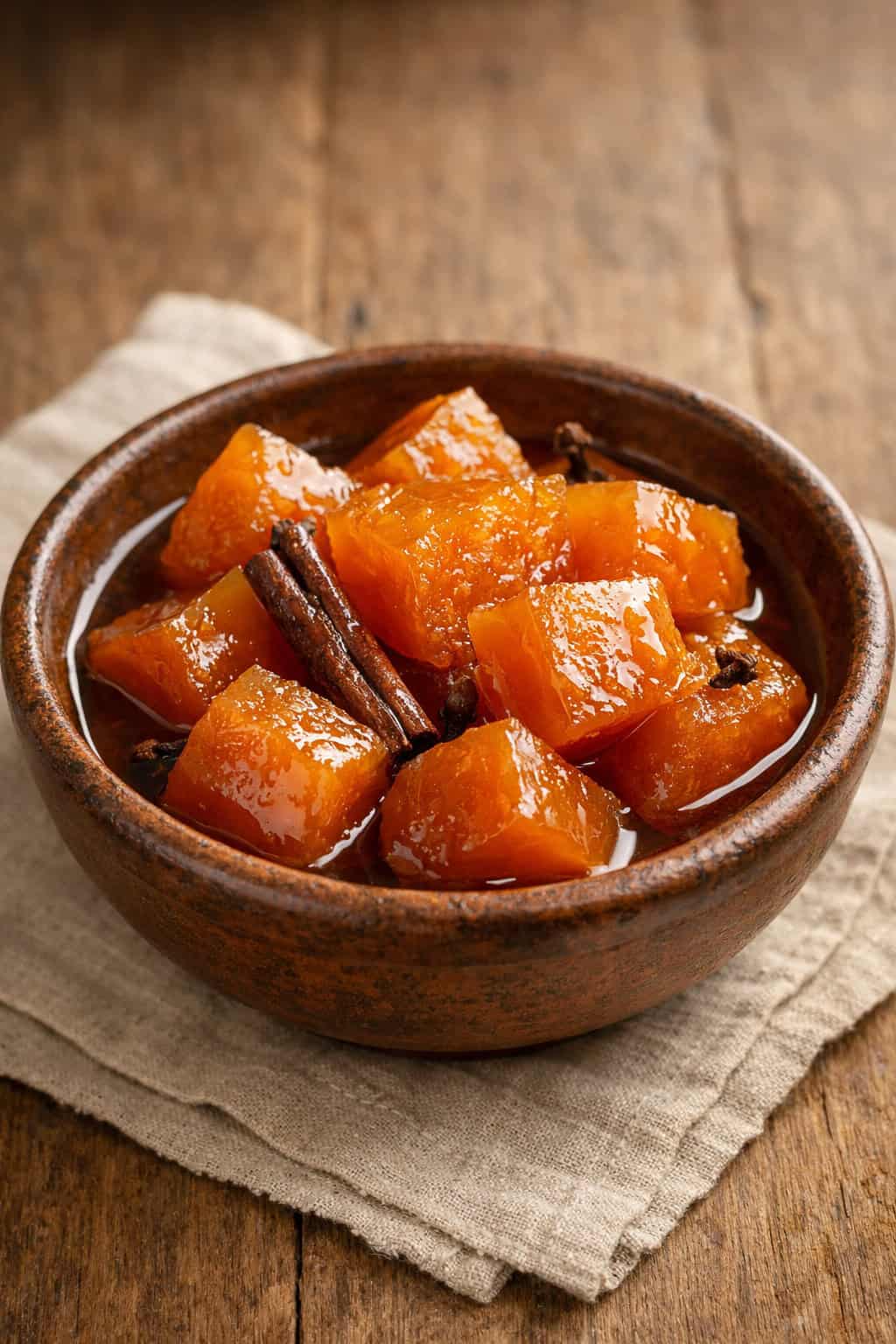
- How to know it's done: The squash should look translucent, feel firm on the outside, and a fork should slide in easily. The inside should be moist and tender.
- Check syrup consistency cold: Chill a spoonful of syrup briefly; it should have a lightly gelled texture when cold.
- Adjust syrup if needed: If the syrup is too thick, add ½ cup water, boil for 15 more minutes, then turn off the heat.
- Better the next day: The flavor and texture improve after resting.
- Optional traditional finish: Let the pieces drain, cool, then roll in granulated sugar to crystallize.
- Serving ideas: Serve plain or with cream, fresh cheese, or cream cheese.
Frequently Asked Questions
What type of squash works best for this recipe?
Cushaw squash (green striped crookneck) works best. Butternut squash is a good substitute if Cushaw is unavailable.
What is cal viva?
Cal viva, also known as quicklime, is a natural mineral made from limestone that has been heated at high temperatures. In traditional Paraguayan cooking, it is used to soak fruits or squash when making sweets like dulce de calabaza, helping them develop a firm outer layer while staying soft inside during cooking.
Why is food-grade pickling lime used instead of cal viva in this dulce de calabaza recipe?
Traditionally in Paraguay, cal viva is used to make desserts such as dulce de calabaza. In this recipe, food-grade pickling lime is used instead because it safely provides the same firm texture, helping the squash hold its shape while staying soft inside, and it is food-approved and easier to find in the United States.
Will the squash taste salty or bitter?
No. When the squash is rinsed well after soaking, there is no salty, bitter, or alkaline taste-only a clean, natural squash flavor.
How long should I soak the squash?
Soak for 1-2 hours for a softer exterior or up to 4 hours for a firmer outer layer.
❤️ Love this Dulce de Calabaza recipe?
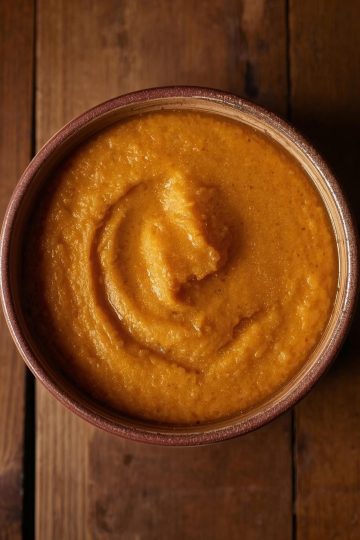
Make sure to check out our Pumpkin Compote recipe, a quick and easy variation of dulce de calabaza made with baking soda.
You may also like


Recipe
Dulce de Calabaza
Equipment
- Large bowl (for soaking)
- Large Pot or Dutch Oven
- Fine strainer (optional)
- Clean glass jars with lids (for storage)
Ingredients
- 1 kg Cushaw squash (green striped crookneck) or butternut squash (yields about 500 g once peeled and cut into chunks)
- 50 g Food-grade pickling lime (calcium hydroxide or slaked lime (you may use 2-4 tablespoons; do not exceed ¼ cup)
- 750 ml water
- 250-500 g granulated sugar (adjust to taste)
- ½ cinnamon stick
- 7 whole cloves , heads removed
Instructions
- Peel the squash, remove any fibrous strands, and cut into medium chunks. You should have about 500 g of prepared squash.
- In a large bowl, add the food-grade pickling lime and pour in 500 ml of water. Stir well until dissolved. Add the squash pieces, then add the remaining 250 ml of water, stirring so all pieces are fully submerged.
- Let soak for 1 to 4 hours, stirring every 30 minutes. For a firmer outer layer, soak up to 4 hours. Drain the squash and rinse it several times under running water to remove all traces of lime. Optionally, lightly pierce each piece with a fork to allow some syrup to enter the squash.
- Place the squash in a large heavy-bottomed pot. Add the sugar, cinnamon stick, and cloves. Do not add water. Bring to a boil over high heat. Cook for about 10 minutes, until the squash releases liquid.
- Reduce the heat to medium and cook 5 minutes, until the syrup begins to thicken. Lower the heat to low and continue cooking gently for about 30 minutes, until the squash is translucent, firm on the outside, and soft on the inside.
- If you prefer a thinner syrup, add ½ cup of water and boil for an additional 15 minutes. Turn off the heat, let rest for 15 minutes, then transfer to clean glass jars. Remove the cinnamon and cloves if desired.
Notes
Nutrition
Nutrition Disclaimer: The nutritional information provided is an estimate, calculated using standard data sources. Actual values may vary based on ingredient brands, preparation methods, and portion sizes. This information is for general reference only and should not be considered a substitute for professional dietary advice.