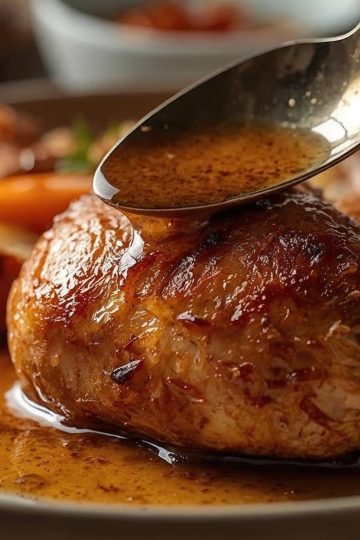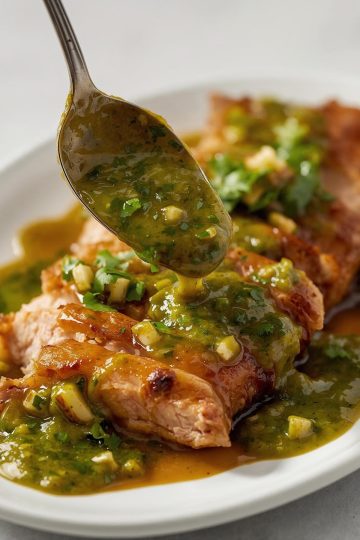
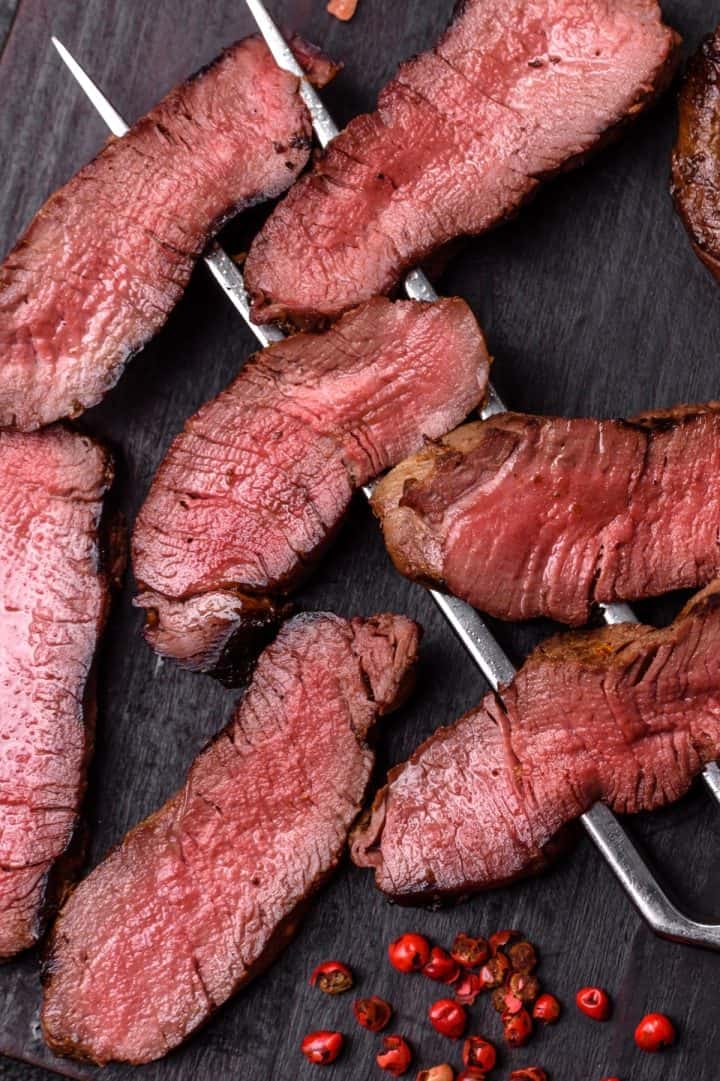
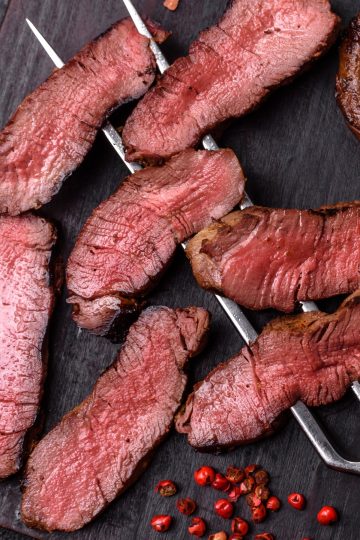
Carne asada is grilled, sliced beef made from ribeye, skirt, flap, flank, or chuck steak (diezmillo), cooked over high heat to create a charred exterior, then served on its own or used in other dishes.
Jump to
This pan-seared carne asada recipe is a fast stovetop steak made with ribeye, seasoned only with salt and black pepper, and cooked in a hot skillet to form a charred crust while keeping the inside tender, making it an easy, family dinner.
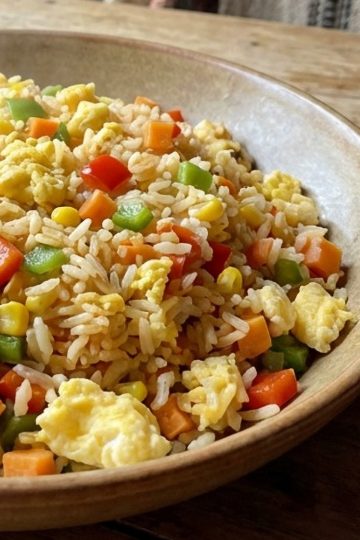
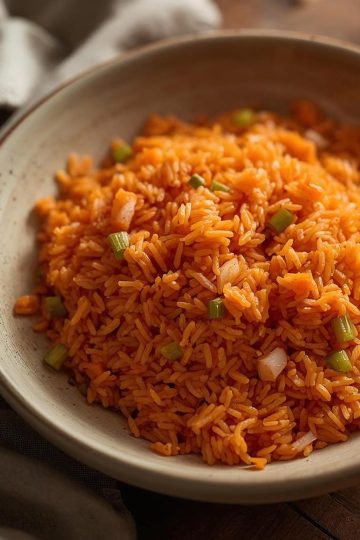
Pair it with Arroz Mexicano and refried beans for a complete meal.
Ingredients You'll Need
Note: Full ingredients and amounts are listed in the recipe card below.
- Boneless ribeye or top loin steaks: Provide fat and structure to keep the meat juicy and sear evenly.
- Sea salt or kosher salt: Draws surface moisture, allowing the steak to form a proper crust.
- Freshly ground black pepper: Adds heat on the surface, allowing the crust to develop a deeper flavor.
How to Make Carne Asada
Note: Full instructions are provided in the recipe card below.
- Preheat a heavy 12-inch skillet over high heat until very hot, about 3 minutes. While the pan heats, season the steaks on both sides with salt and black pepper.
- Place the steaks in the skillet, leaving a little space between each one. Reduce the heat to medium-high and cook without stirring until a deep brown crust forms, about 4 minutes.
- Flip the steaks using tongs and continue cooking for 4 minutes more for rare, 5 minutes more for medium-rare, or 6 minutes more for medium. Transfer the steaks to a large plate and loosely cover with foil to keep warm while you prepare your sides.
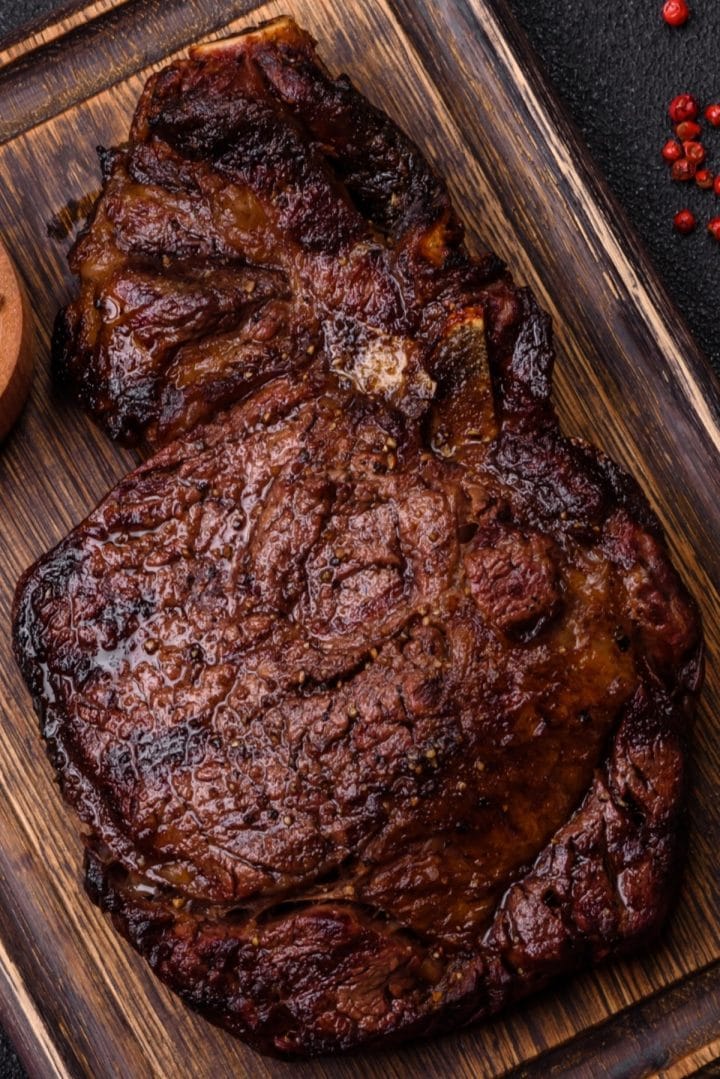
Hint: Use a heavy skillet with a nonreactive surface for even heat and better browning.
Storage, Make Ahead, & Freezing
Storage: Refrigerate cooked steak in an airtight container for up to 3 days.
Make Ahead: Season and dry the steaks up to 24 hours in advance and refrigerate uncovered.
Freezing: Not recommended, as fresh steak has the best texture and flavor.
Camila's Tips & Variations
- Pan is not hot enough: Preheat the skillet until the surface lightly smokes.
- Steaks burn too fast: Lower the heat to medium-high after adding the steaks.
- Uneven browning: Leave space between steaks so moisture can escape.
- Thinner steaks: Reduce cooking time by 1-2 minutes per side.
- Skillet Size & Timing Adjustments: To make two steaks instead of four, switch to a 10-inch skillet.
Frequently Asked Questions
Why is my steak not browning?
The pan is not hot enough, which causes steaming; preheat longer before cooking.
How do I keep the steak juicy?
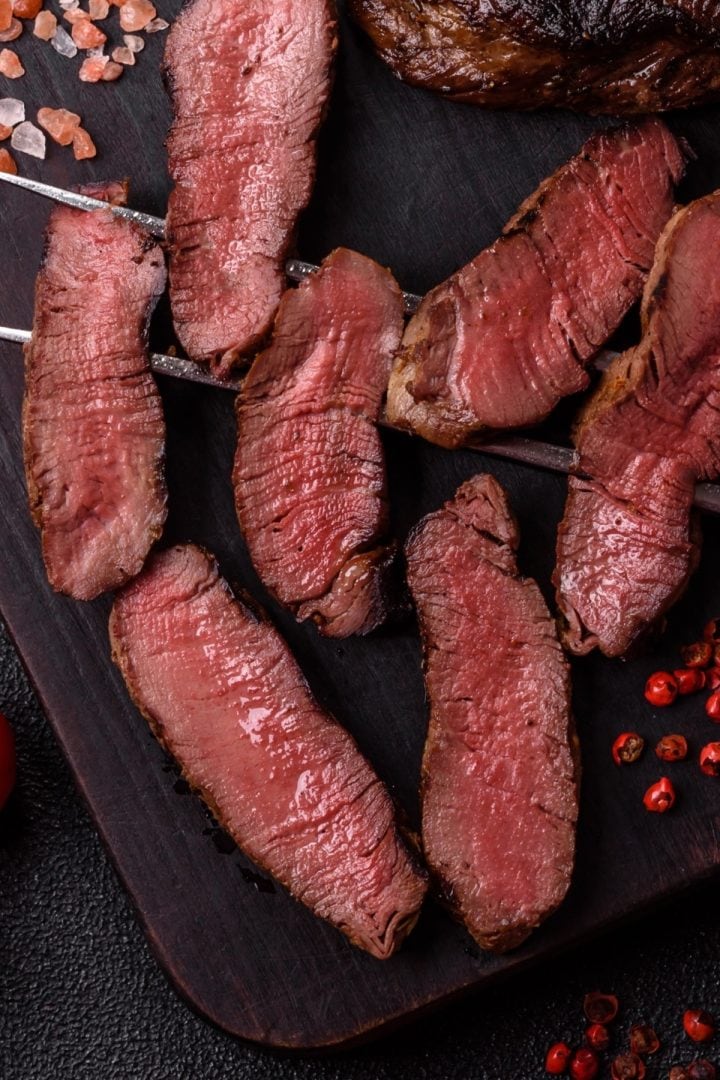
Resting allows juices to redistribute; loosely cover with foil before serving.
What happens if I flip the steak too early?
The crust will not form, and moisture will release; wait until it naturally lifts.
How do I avoid burning the outside?
Lower the heat after the first sear to control surface temperature.
What cut of meat is carne asada?
Carne asada is made from thin-cut beef such as skirt steak, flap steak, flank steak, ribeye, or chuck steak (diezmillo).
Pair with
You may also like
Recipe
Carne Asada
Equipment
- Heavy 12-inch skillet
Ingredients
- 4 8-ounce boneless ribeye steaks or top loin steakss , 1 to 1 ¼ inches thick, thoroughly dried with paper towels
- Sea salt or kosher salt
- Freshly cracked black pepper
Instructions
- Preheat a heavy 12-inch skillet over high heat until very hot, about 3 minutes. While the pan heats, season the steaks on both sides with salt and black pepper.
- Place the steaks in the skillet, leaving a little space between each one. Reduce the heat to medium-high and cook without stirring until a deep brown crust forms, about 4 minutes.
- Flip the steaks using tongs and continue cooking for 4 minutes more for rare, 5 minutes more for medium-rare, or 6 minutes more for medium.
- Transfer the steaks to a large plate and loosely cover with foil to keep warm while you prepare your sides.
Notes
Nutrition
Nutrition Disclaimer: The nutritional information provided is an estimate, calculated using standard data sources. Actual values may vary based on ingredient brands, preparation methods, and portion sizes. This information is for general reference only and should not be considered a substitute for professional dietary advice.