Chorizo Mexicano Tradicional is a fresh, raw ground pork sausage seasoned with chiles, vinegar, and aromatic spices. It's typically sold in links or bulk and cooked before eating.
Jump to
Unlike its Spanish counterpart, which is cured and firm, Mexican chorizo is soft, tangy, and boldly spiced, with a vibrant red color and deep, smoky flavor.
This traditional Mexican chorizo recipe stays true to authentic preparation methods, featuring classic Mexican chiles, freshly ground spices, and a slow marination process that deepens the flavor.
The result is a rich, smoky, and perfectly seasoned homemade chorizo with a balanced mix of heat, tang, and savoriness-perfect for tacos, burritos, breakfast dishes, or any authentic Mexican meal.
Ingredients You'll Need
Note: See the recipe card for quantities.
- Ground pork: The base of traditional Mexican chorizo, giving it a juicy, flavorful texture that absorbs the spices perfectly.
- Pork fat: Adds richness and moisture, creating that signature soft and crumbly consistency.
- Ancho and pasilla chiles: Provide deep red color, mild heat, and a smoky, slightly sweet flavor that defines authentic chorizo.
- Garlic: Enhances aroma and adds flavor.
- Cumin and coriander: Bring warmth and balance to the chile flavor with earthy, citrusy undertones.
- Paprika: Intensifies color and adds a gentle smokiness.
- Oregano: Adds a subtle herbal note that rounds out the spice profile.
- Cinnamon, clove, and black pepper: Give the chorizo a complex, layered flavor with hints of spice and sweetness.
- Vinegar: Brightens the mix and helps preserve the chorizo while adding that signature tangy bite.
- Ground mustard: Adds gentle warmth and depth without overpowering the traditional flavor. Can be substituted with ginger.
How to Make Chorizo Mexicano Tradicional
Note: Full instructions are provided in the recipe card below.
- Remove the stems, seeds, and veins from the ancho and pasilla chiles. Cut them into flat pieces so they toast evenly. Heat a large skillet over medium heat and lightly press the chile pieces until they puff and form small bubbles.
- Do not burn them-just toast until fragrant and slightly crisp. Let the chiles cool, then break them into smaller pieces.
- Transfer the toasted chiles to a food processor along with the cumin, coriander, and oregano, and process until a fine powder forms. If any large flakes remain, sift through a fine sieve and return the larger pieces to the processor to grind again until you have a deep red, smooth chile powder.
- Add the garlic, paprika, cinnamon, salt, black pepper, vinegar, and ground mustard or ginger, and process until a thick, aromatic paste forms.
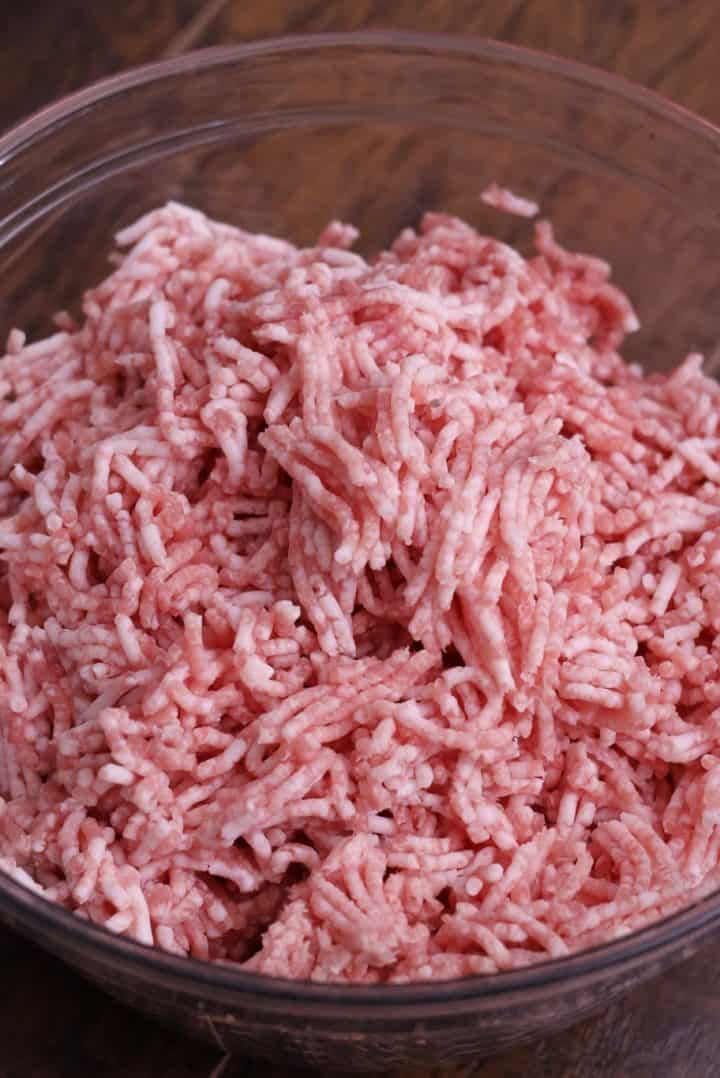
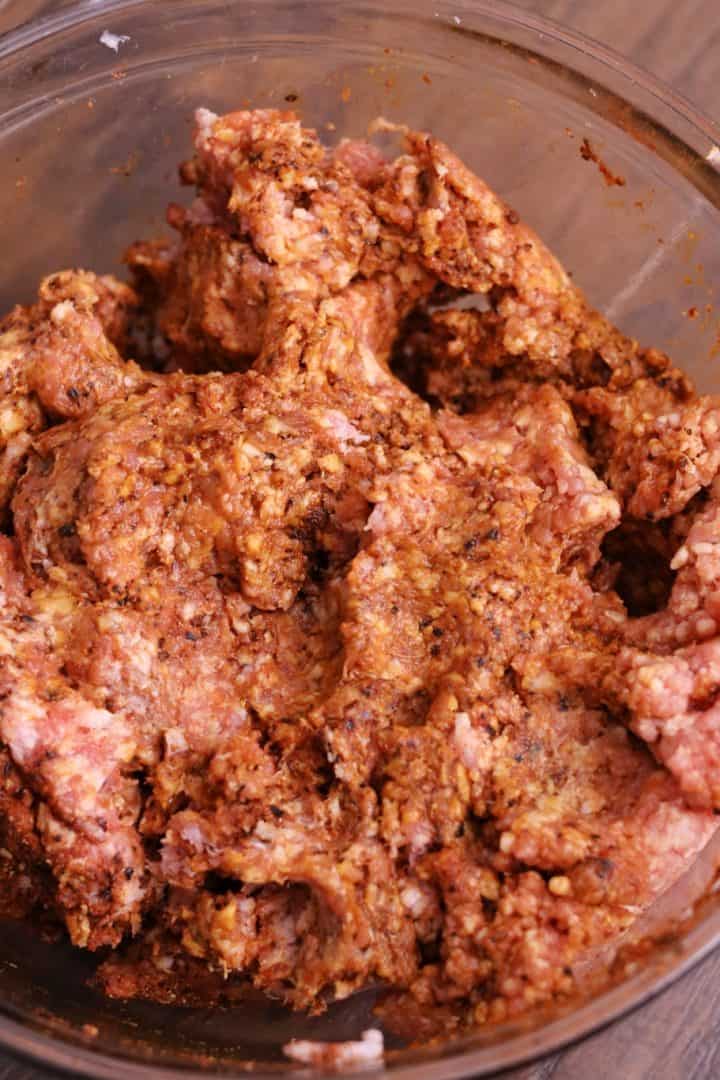
- In a large bowl, combine the ground pork, pork lard, and spice paste and mix thoroughly until the color is uniform and the spices are evenly distributed. Cover and refrigerate overnight (about 24 hours) to let the flavors develop.
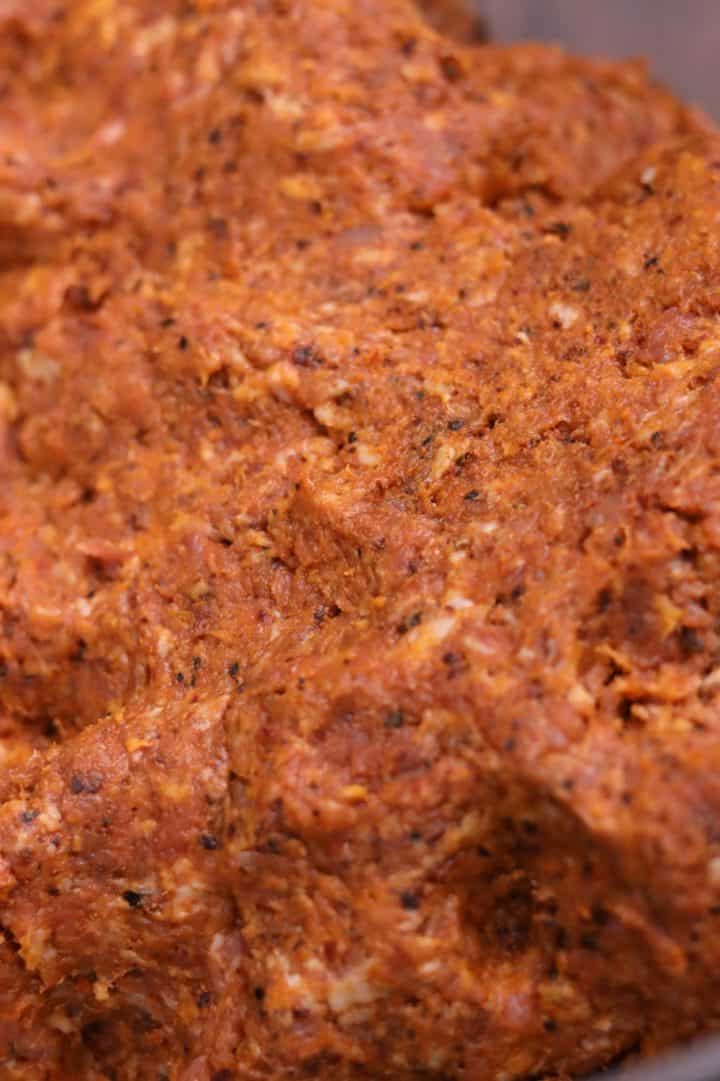
- After 24 hours, you'll see some liquid (mostly vinegar) separated from the meat. Fry a small portion to taste for salt and adjust if needed. Transfer the mixture to a colander set over a bowl, then refrigerate for another 24 hours to let any excess liquid drain.
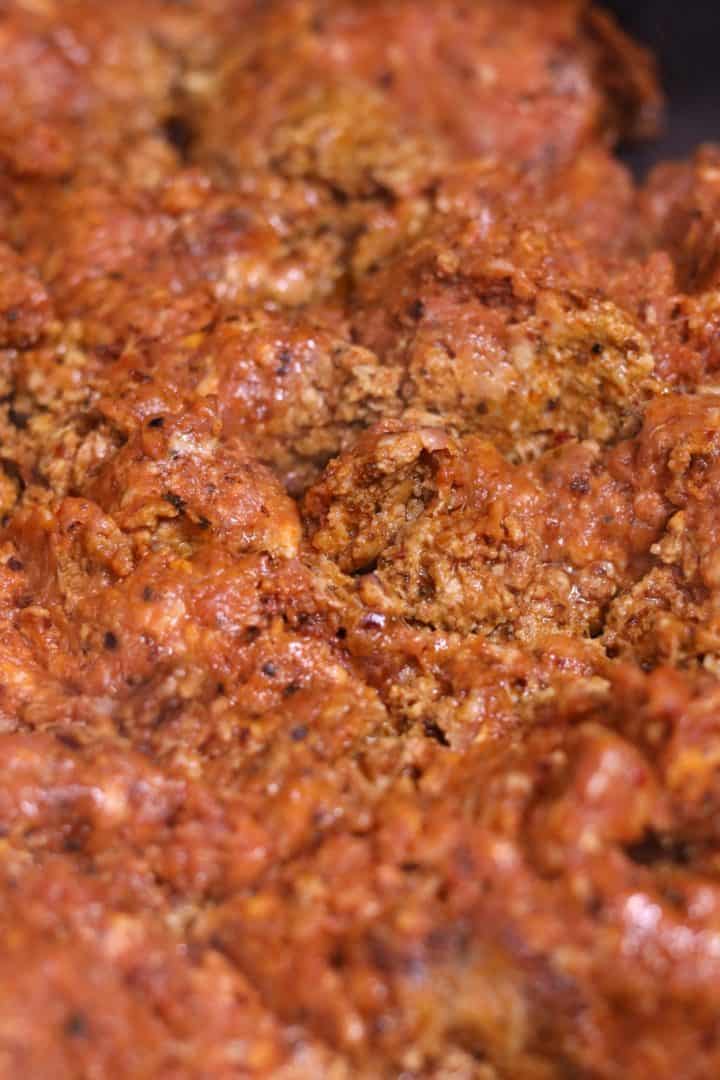
- After draining, the chorizo will have a firm, cohesive texture. Transfer it to a Pyrex container with a lid or a disposable plastic container (it may stain). Keep refrigerated until ready to use.
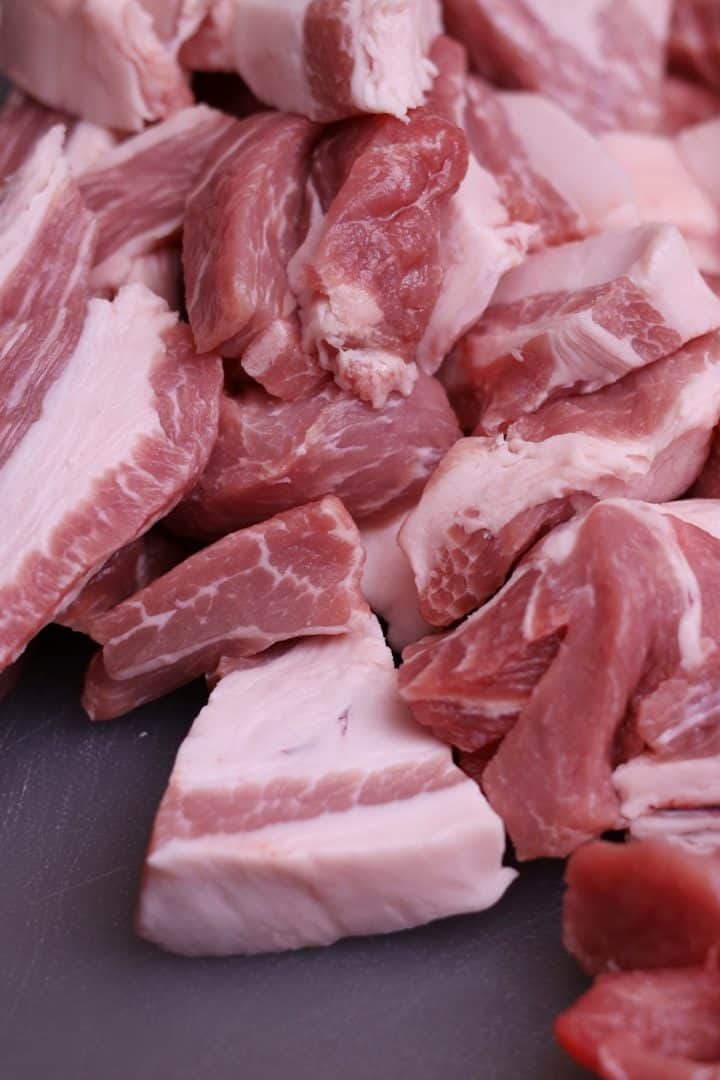
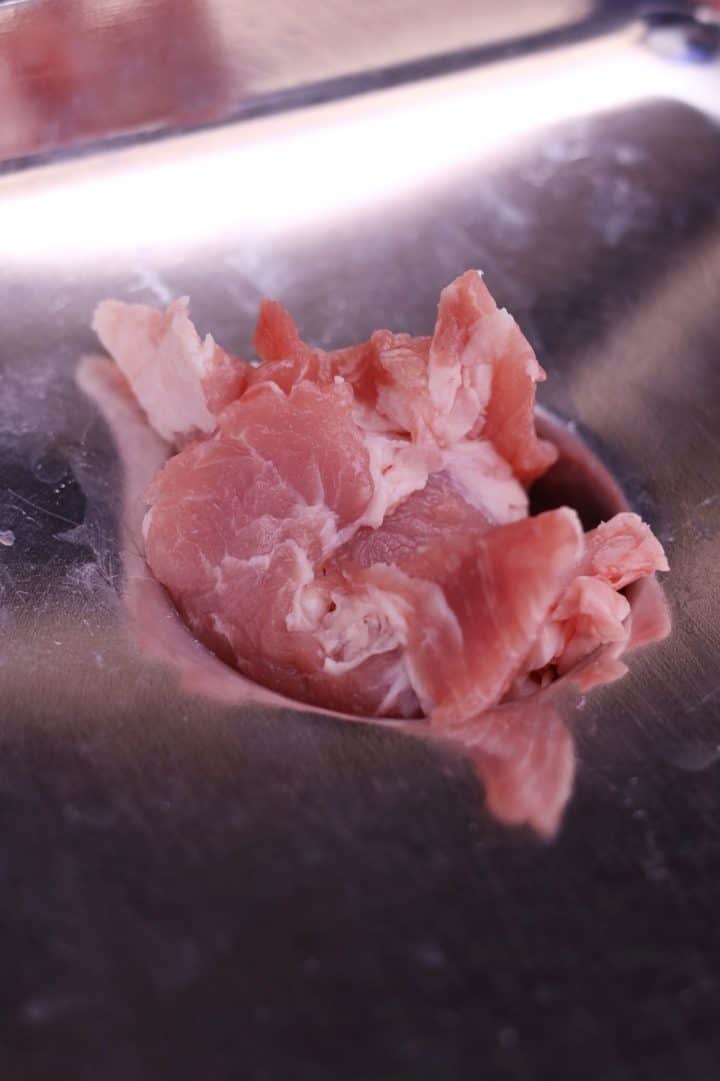
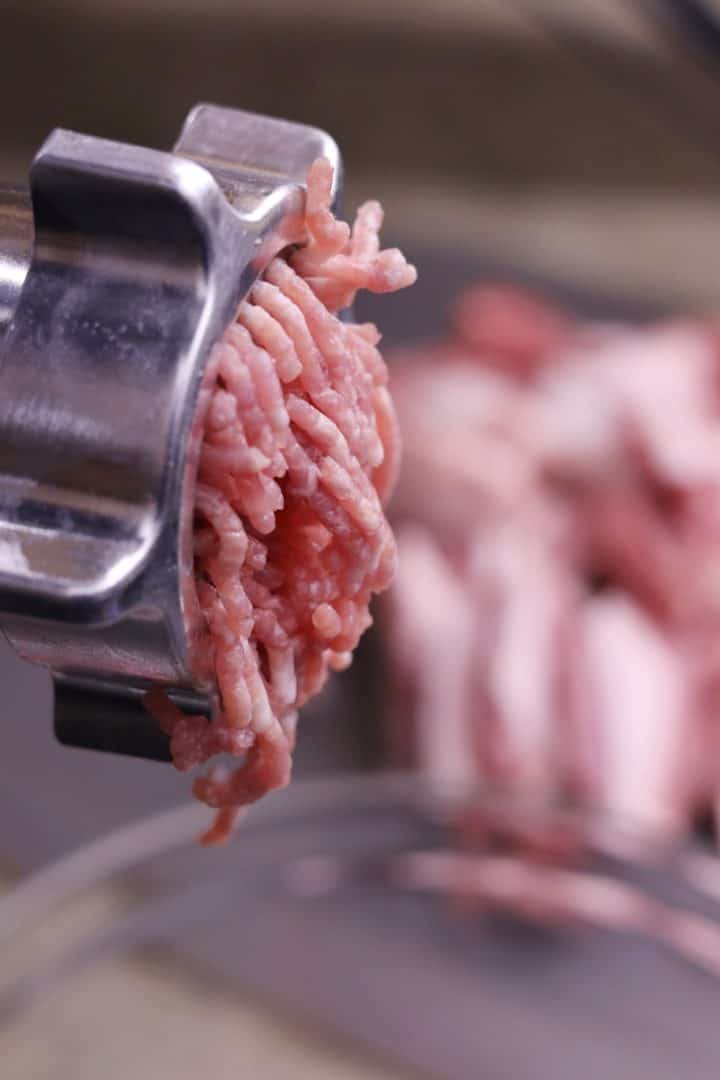
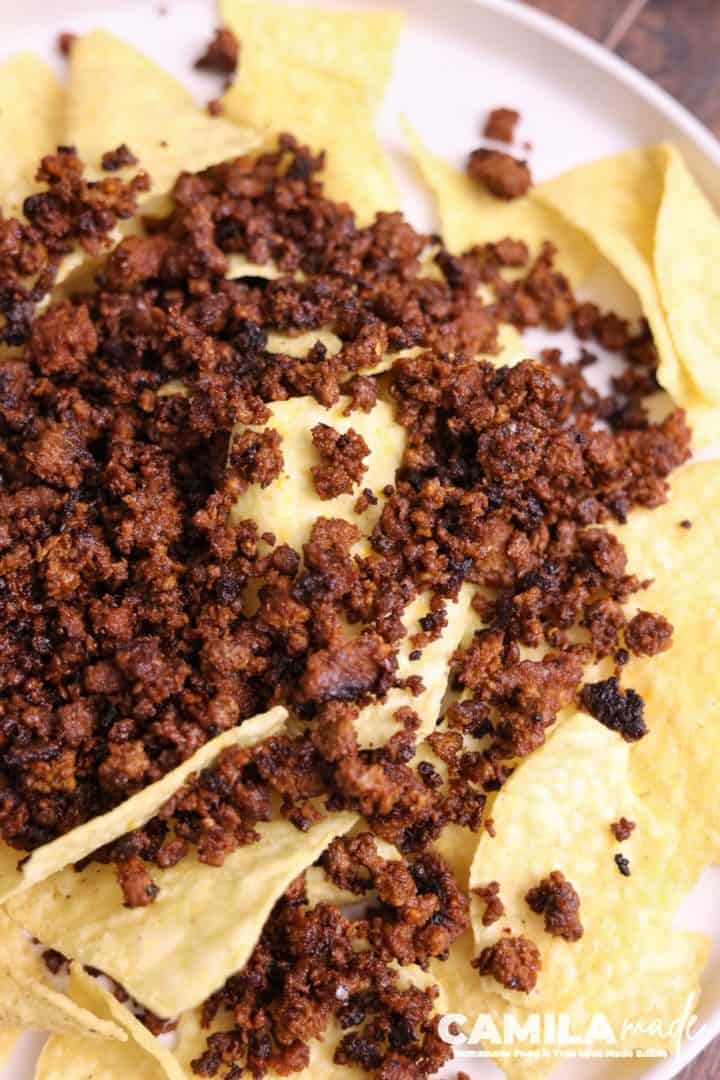
Hint: For the best flavor, use freshly toasted chiles and let the chorizo rest for the full 48 hours (24 to marinate and 24 to drain). This allows the spices and vinegar to fully absorb into the meat, giving you that deep, authentic color and rich Mexican chorizo taste.
Storage, Make Ahead, & Freezing
Storage: Keep the prepared chorizo in an airtight glass or plastic container (it may stain). Refrigerate for up to 5 days.
Make Ahead: The flavor improves as it rests, so preparing it 1-2 days ahead is ideal.
Freezing: For longer storage, divide into portions, wrap tightly, and freeze for up to 3 months. Thaw overnight in the refrigerator before cooking.
Camila's Tips & Variations
- Chiles: Use a mix of ancho and pasilla for balanced flavor. For extra heat, add one guajillo or chile de árbol.
- Texture: Grind the chiles and spices as finely as possible for a smoother, more cohesive paste.
- Flavor depth: Toasting the chiles just until they puff enhances aroma-avoid burning to prevent bitterness.
- Meat options: Substitute part of the pork with ground beef or turkey for a lighter version.
- Color boost: A small pinch of achiote or smoked paprika adds deeper color and smokiness.
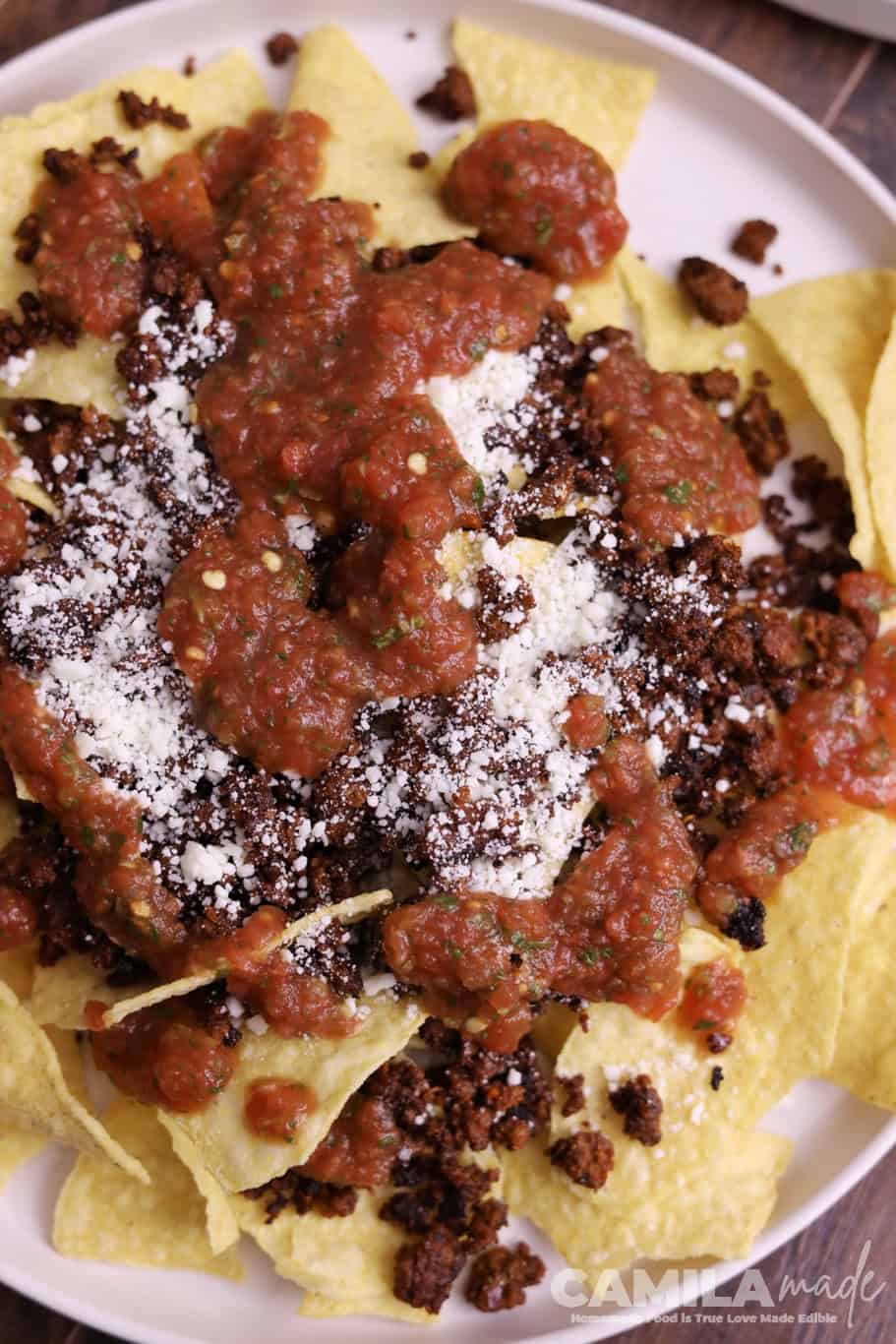
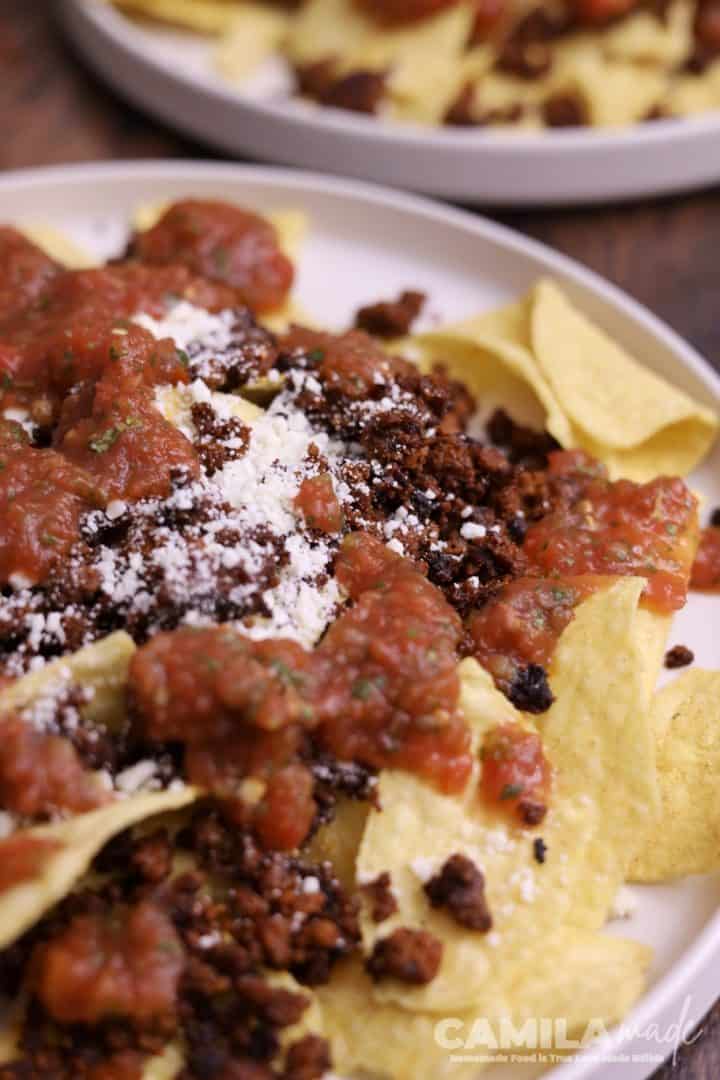
- Serving ideas: Fry and use in tacos, tortas, breakfast burritos, or mixed into scrambled eggs and potatoes.
Frequently Asked Questions
Can I make chorizo without pork?
Yes. You can substitute ground chicken, turkey, or beef. The flavor will differ slightly, but the seasoning blend works well with any ground meat.
How long should I let the chorizo rest before using it?
At least 24 hours in the refrigerator allows the flavors to fully develop. For the best texture and taste, follow the full 48-hour process (24 hours marinating, 24 hours draining).
Do I need to stuff it into casings?
No. This recipe is designed for loose chorizo, which you can cook directly without casings.
Can I adjust the spice level?
Absolutely. For a milder chorizo, use more ancho and fewer pasilla or guajillo chiles. For extra heat, add chile de árbol or a pinch of cayenne.
Why add vinegar?
Vinegar enhances flavor, helps preserve the chorizo for several days, and gives it that classic tangy taste.
⚡ Want a Faster Version?
For a quicker take on the classic, try my Quick Mexican Chorizo Recipe. It delivers the same rich, smoky flavor in less time-perfect for busy days or last-minute meals.
Pair with
You may also like

Recipe
Chorizo Mexicano Tradicional
Equipment
- Kitchen scissors or knife
- Comal, griddle, or skillet
- Molcajete or spice grinder
- Colander and bowl
- Airtight container or Pyrex with lid
Ingredients
- ½ kg ground pork preferably pork shoulder or ground pork butt
- 175 g pork lard
- 50 g ancho chiles, remove the stems, seeds, and veins
- 15 g pasilla chiles, remove the stems, seeds, and veins
- 3 fresh garlic cloves
- ½ teaspoon cumin seeds
- ½ teaspoon coriander seeds
- ¼ teaspoon ground black pepper
- ½ teaspoon ground cinnamon
- ⅛ teaspoon ground cloves
- ¾ teaspoons dried oregano, rubbed
- ⅛ teaspoon ground mustard or ground ginger
- 2 tablespoons paprika
- 1½ teaspoons kosher salt
- ⅓ cup distilled white vinegar or apple cider vinegar
Instructions
- Remove the stems, seeds, and veins from the ancho and pasilla chiles. Cut them into flat pieces so they toast evenly. Heat a large skillet over medium heat and lightly press the chile pieces until they puff and form small bubbles.
- Do not burn them-just toast until fragrant and slightly crisp. Let the chiles cool, then break them into smaller pieces.
- Transfer the toasted chiles to a food processor along with the cumin, coriander, and oregano, and process until a fine powder forms. If any large flakes remain, sift through a fine sieve and return the larger pieces to the processor to grind again until you have a deep red, smooth chile powder.
- Add the garlic, paprika, cinnamon, salt, black pepper, vinegar, and ground mustard or ginger, and process until a thick, aromatic paste forms.
- In a large bowl, combine the ground pork, pork lard, and spice paste and mix thoroughly until the color is uniform and the spices are evenly distributed. Cover and refrigerate overnight (about 24 hours) to let the flavors develop.
- After 24 hours, you'll see some liquid (mostly vinegar) separated from the meat. Fry a small portion to taste for salt and adjust if needed. Transfer the mixture to a colander set over a bowl, then refrigerate for another 24 hours to let any excess liquid drain.
- After draining, the chorizo will have a firm, cohesive texture. Transfer it to a Pyrex container with a lid or a disposable plastic container (it may stain). Keep refrigerated until ready to use.
Notes
Nutrition
Nutrition Disclaimer: The nutritional information provided is an estimate, calculated using standard data sources. Actual values may vary based on ingredient brands, preparation methods, and portion sizes. This information is for general reference only and should not be considered a substitute for professional dietary advice.