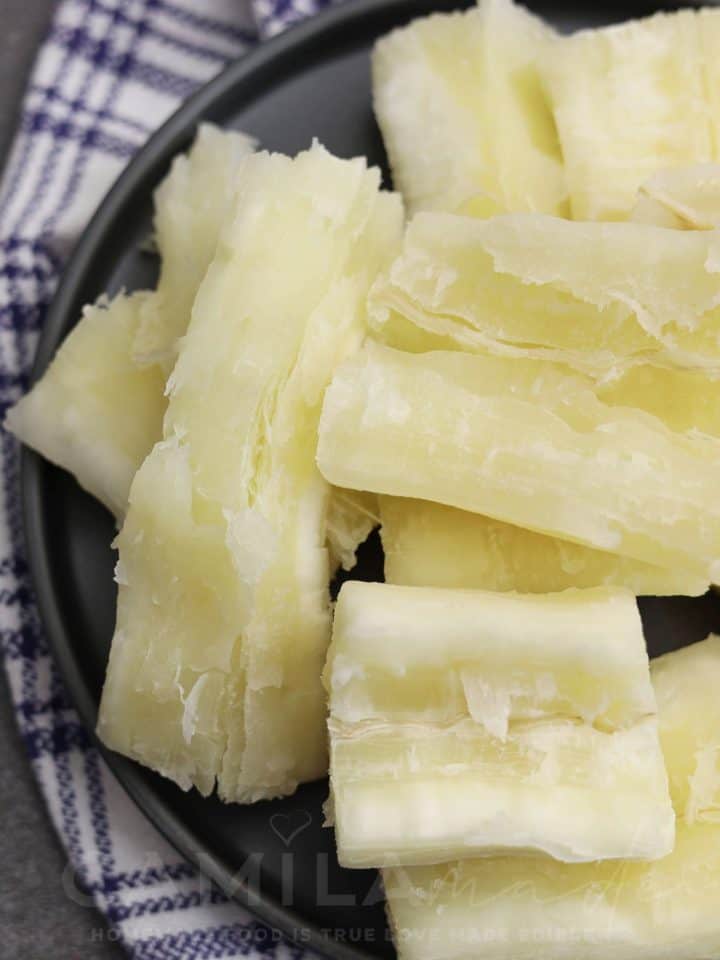
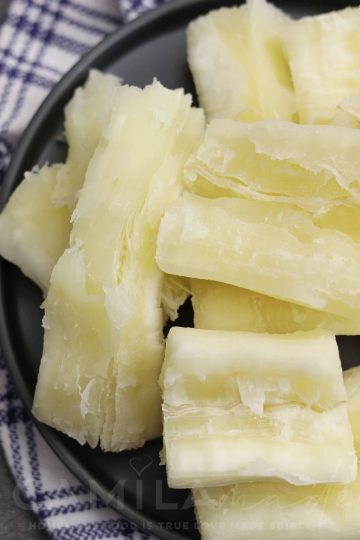
Yuca hervida (boiled yuca) is a simple and traditional way of preparing yuca, also known as cassava or mandioca.
Jump to
It involves peeling the yuca root, cutting it into chunks, and boiling it in salted water until it becomes tender.
Yuca is a starchy root of a woody shrub native to South America and a staple food in Paraguayan cuisine, as well as in many other cultures around the world.
Its neutral flavor makes it a great match for both sweet and savory dishes. It can also be fried, roasted, baked, or steamed.
In Paraguay, yuca is commonly served alongside asado (Paraguayan barbecues) and other meals, often replacing bread or crackers as a side dish. It can also be used as a main ingredient or as an accompaniment in a wide variety of dishes.
This Yuca Hervida recipe, inspired by my Yuca Frita, pairs perfectly with puchero, guiso de arroz, guiso de fideo, and is great for making guiso de mandioca.
Ingredients You'll Need
- Yuca (cassava): You can use fresh or frozen. Keep in mind that frozen yuca may cook faster than fresh.
- Salt: This is optional, but I highly recommend it to make the yuca more flavorful.
- Water: Make sure the yuca is fully submerged in water while cooking to make sure even cooking.
See the recipe card for quantities.
How to Make Yuca Hervida
Note: Full instructions are provided in the recipe card below.
1. Bring 3 quarts of water to a boil in a large pot. Trim 1-2 inches of the woody stem from the yuca and cut it into 3 to 4-inch pieces.
2. Make a ¼-inch deep slit along each piece and peel off the skin. Halve the pieces lengthwise and remove the woody core.
3. Cut into wedges and rinse well. Once the water boils, add yuca and salt. Simmer for 20-25 minutes until tender but firm. Drain and serve.
Hint: When cooking yuca, timing is key. As it cooks, yuca transitions from firm to tender and buttery, but if left too long, it can overcook, fall apart, and become mushy. To make the most of its versatility, cook it just tender.

Storage, Make Ahead, & Freezing
- Storage: Store boiled cassava in an airtight container in the fridge for up to 1 week.
- Freezing: Freezing cooked cassava is not recommended; it's best fresh.
Camila's Tips & Variations
- How to choose yuca: Check that the skin is intact. If the skin is thin, with blemishes, bruises, or visible flesh, the cassava is less fresh. Inspect the flesh at the cut end of the root: it should have a uniform color, free from dark or bluish spots, and be moist.
Avoid roots with dry, shriveled flesh. Fresh, unpeeled cassava is available at most supermarkets or Latin markets. You can also find it peeled, vacuum-sealed, and frozen, making it easier to store and use without needing to peel or prepare it immediately. - Cooked Yuca: Make sure to cook the yuca until it is tender but still firm enough to bite. Overcooking can make it too soft or mushy, so check it with a fork or knife to ensure it maintains a slight firmness.
- Rinse: After peeling, make sure to rinse the pieces to remove any dirt.
- Woody core: The central fibrous core of the root should be discarded (after cooking).
- Best Time to Buy: From March to November.

Frequently Asked Questions
The texture of my boiled yuca is too mushy. What can I do?
Overcooking yuca can result in a mushy texture. To avoid this, boil the yuca just until it's tender but still firm to the bite. Keep an eye on it during cooking to prevent it from becoming too soft.
Can yuca be eaten raw?
No, yuca should not be eaten raw because it contains cyanogenic acid, which is toxic. Cooking yuca breaks down the toxin, making it safe to eat. Any cooking method will break down the toxin, so always cook yuca thoroughly before consuming.
Pair with
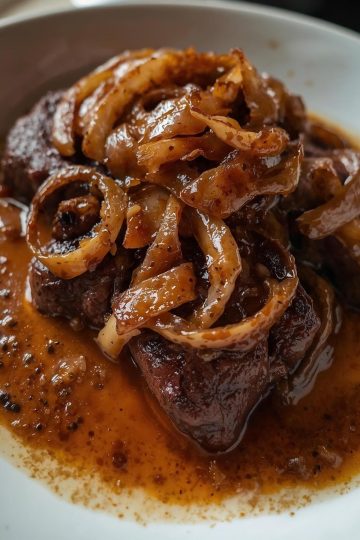
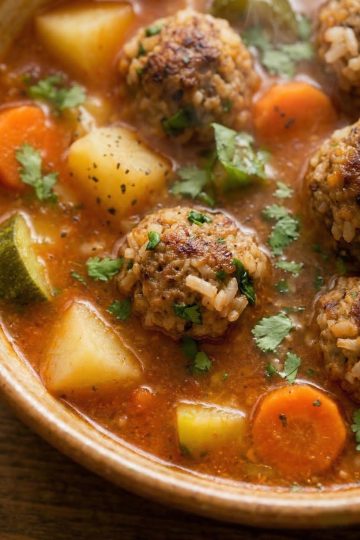
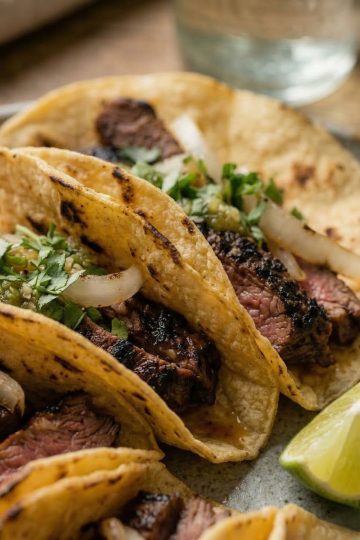
You may also like
Recipe
Yuca Hervida (Boiled Yuca)
Equipment
- Sieve or Strainer
Ingredients
- 2 pounds yuca roots
- 1 tablespoon salt
Instructions
- Bring 3 quarts of water to a boil in a large pot over medium heat.
- While the water is heating, use a sharp knife to remove 1 to 2 inches of the woody stem from the yuca. Cut the remaining yuca into 3 to 4-inch pieces.
- Make a shallow cut, about ¼ inch deep, along each yuca piece. Slide the knife under the peel to separate it from the flesh, cutting or pulling both the brown outer layer and the pinkish-white inner layer, leaving only the white flesh.
- Halve the yuca pieces lengthwise, then use the knife to carefully cut away the woody core. Cut each piece lengthwise into thick wedges.
- Rinse the yuca well under running water. Once the water is boiling, add the yuca and salt. Cook, adjusting the heat to maintain a vigorous simmer, until the yuca is tender but still slightly firm to the bite, about 20 to 25 minutes. Drain well in a colander, and serve.
Notes
-
- Storage: Store boiled cassava in an airtight container in the fridge for up to 1 week.
-
- Freezing: Freezing cooked cassava is not recommended; it's best fresh.
Nutrition
Nutrition Disclaimer: The nutritional information provided is an estimate, calculated using standard data sources. Actual values may vary based on ingredient brands, preparation methods, and portion sizes. This information is for general reference only and should not be considered a substitute for professional dietary advice.